Intersections and connections
(Alert, long post)
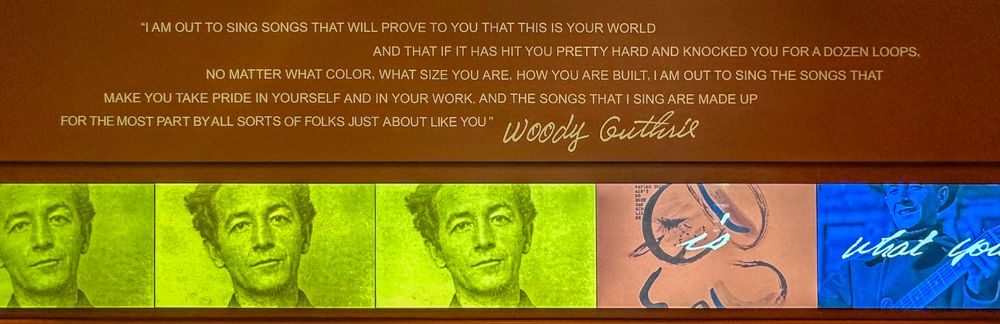
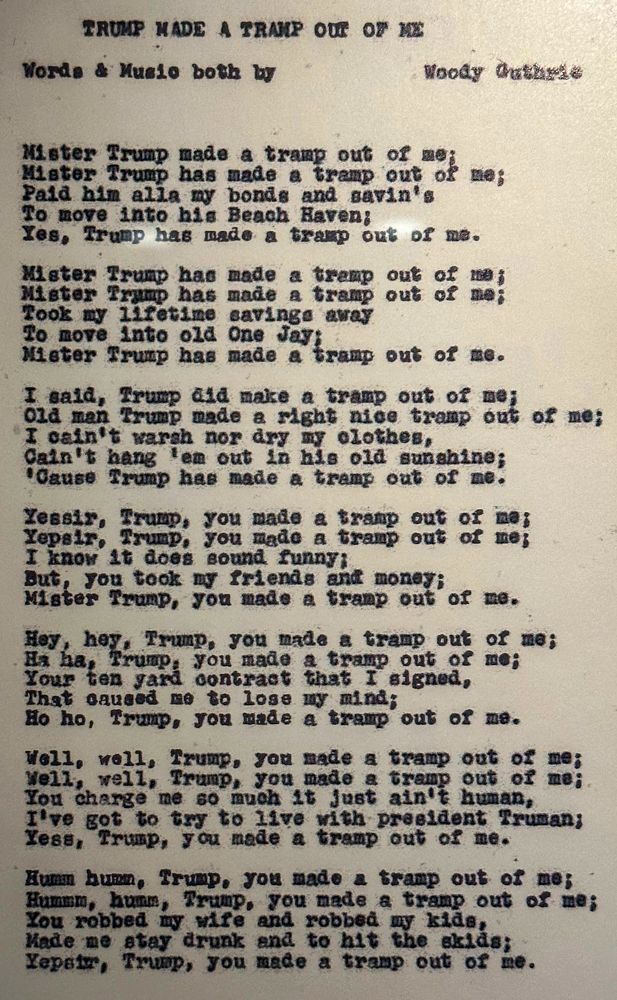
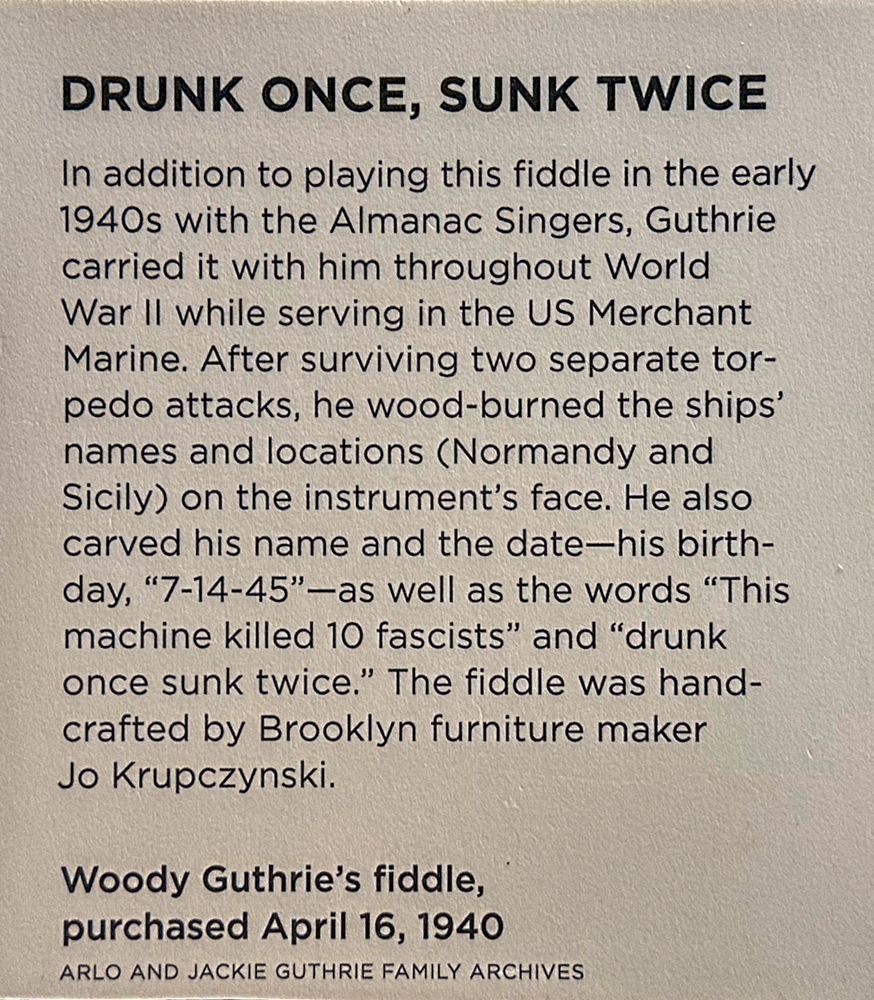
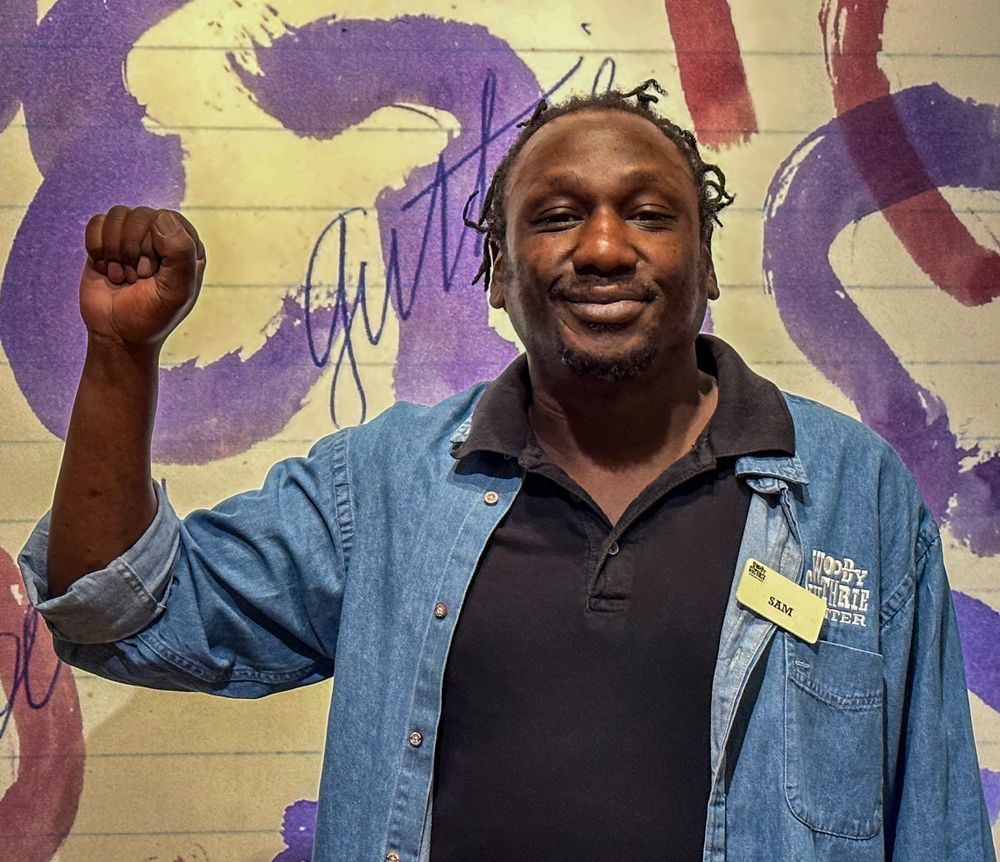
I started the day at the Woody Guthrie center . Guthrie is considered by many as the father of socially conscious folk music. Born in Okemah, Oklahoma, he married at 19, but with the advent of the dust storms that marked the Dust Bowl period, he left his wife and three children to join the exodus of many Oklahomans to California in hopes of finding employment. He ultimately pursued a vagabond existence, traveling to many places in the U.S.
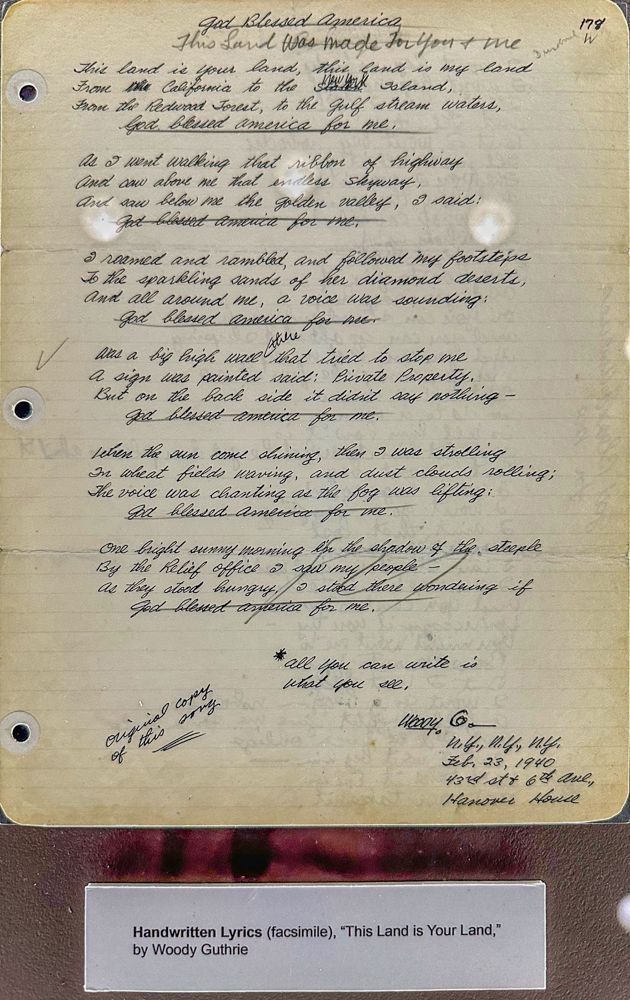
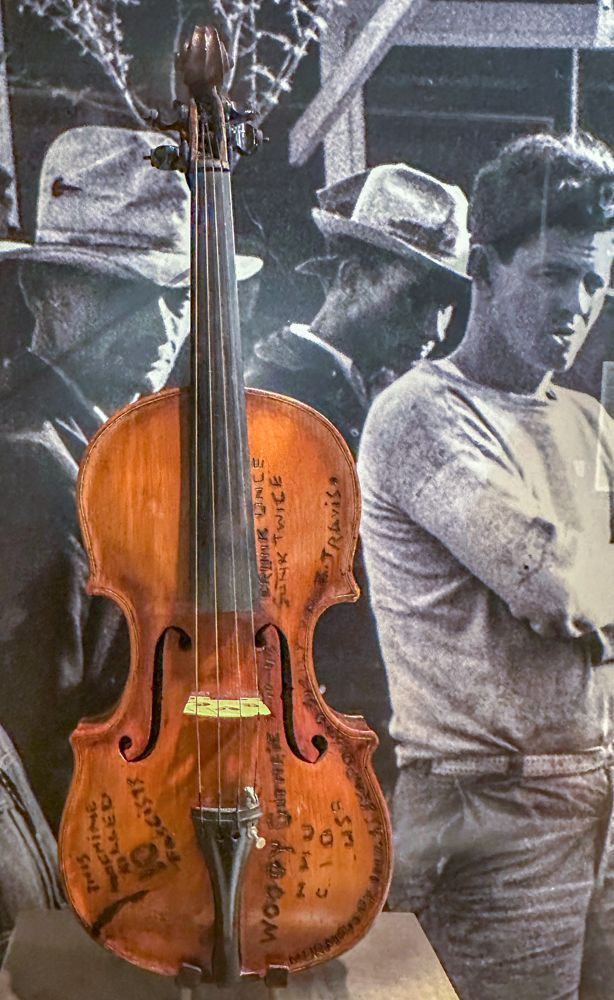
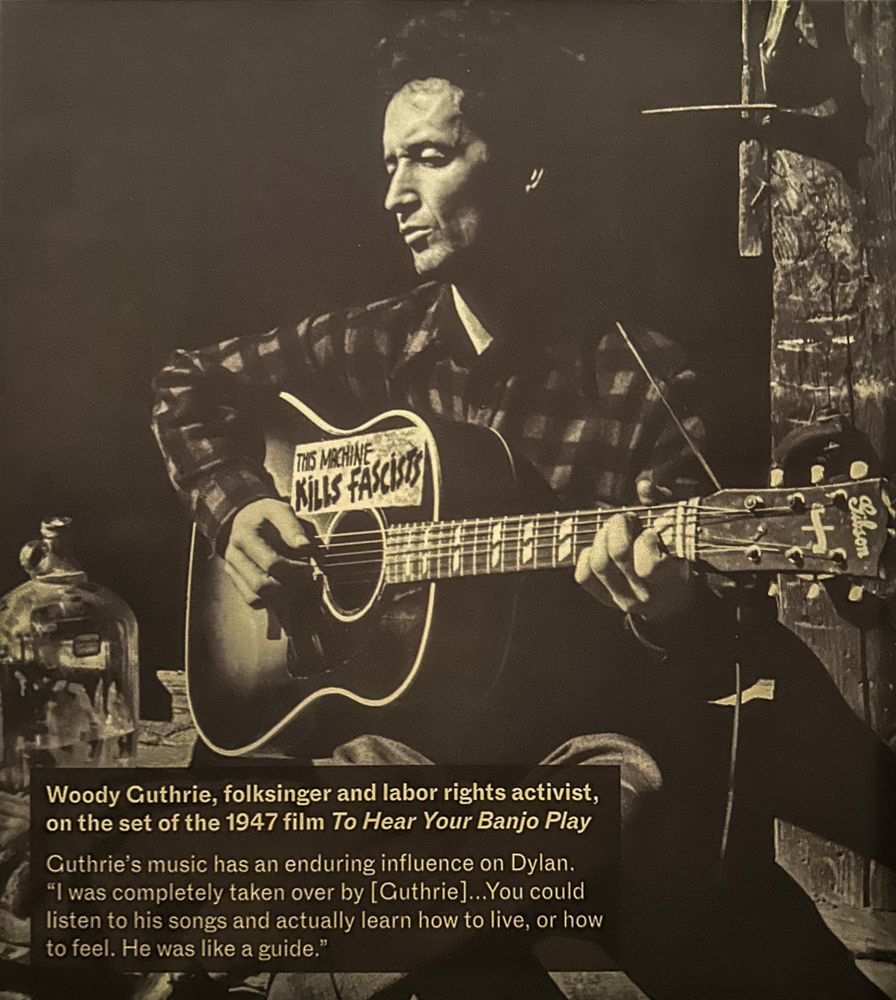
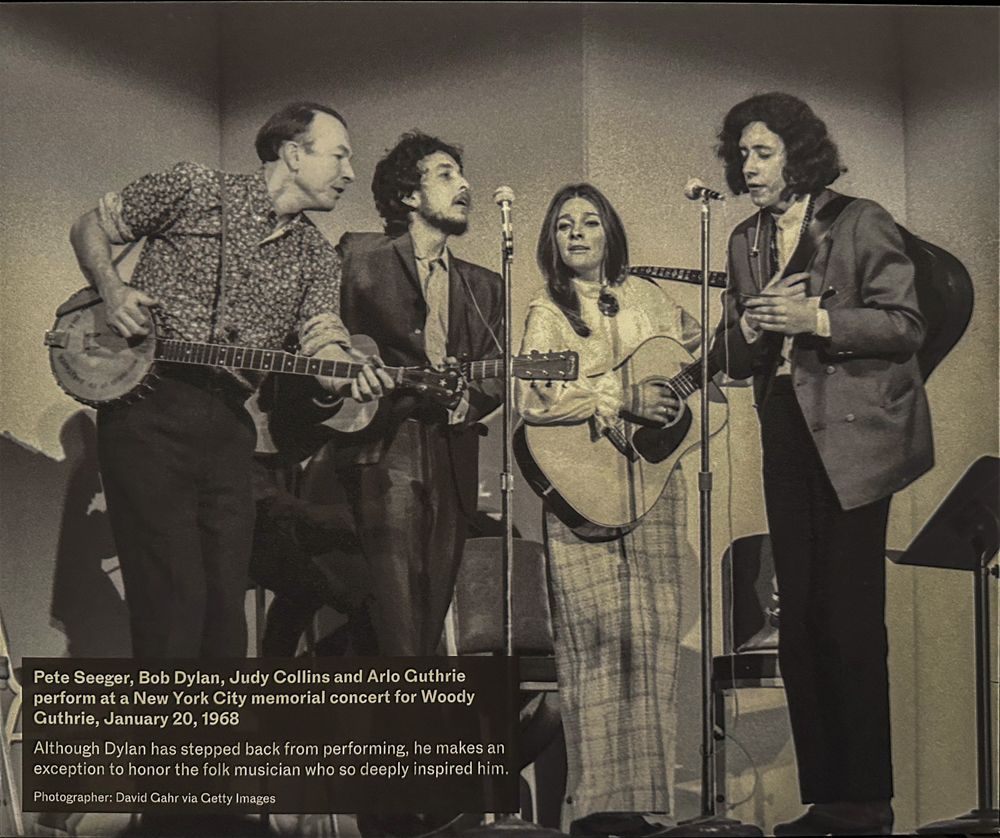
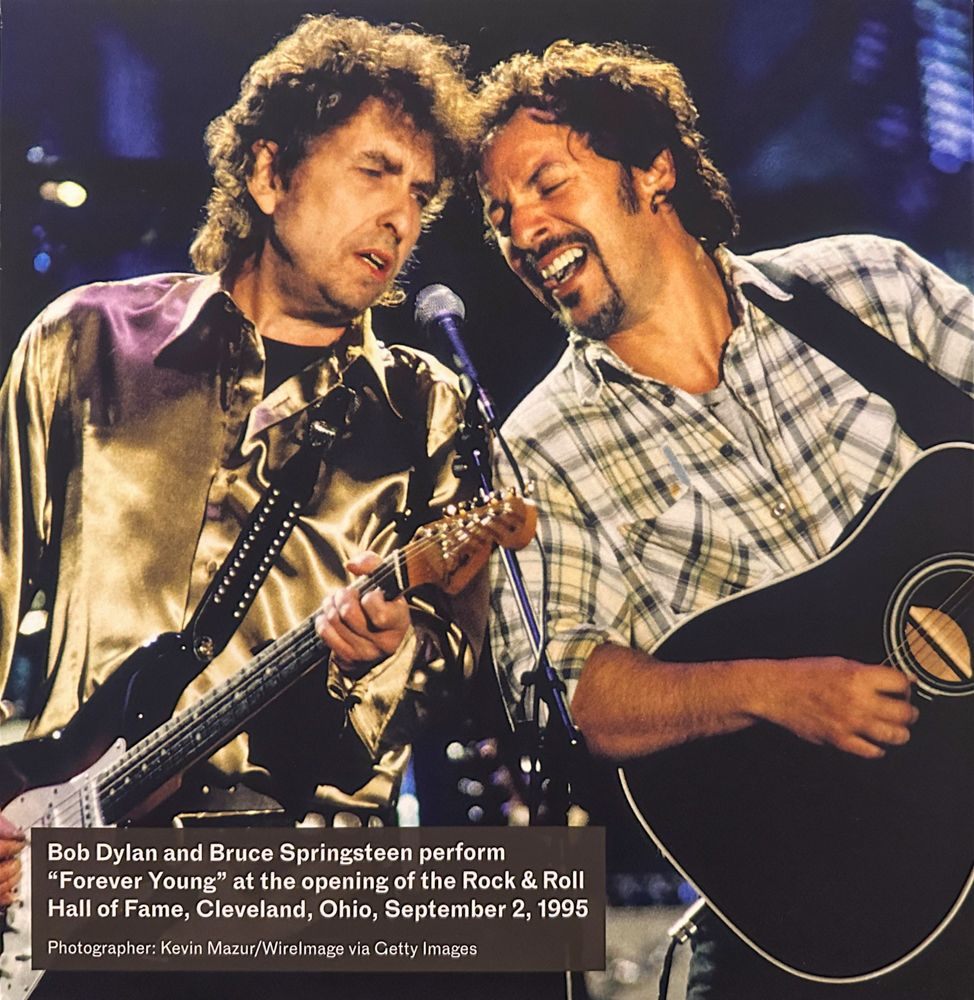
He was a contemporary of Pete Seger and inspired both Bob Dylon and Bruce Springsteen , as well as many others. Perhaps his most famous song is This Land is Your Land , written in response to both God Bless America and The Star Spangled Banner . Verses critical of America are not often performed in schools or official functions. They can be best interpreted as a protest against the vast income inequalities that exist in the United States, and against the sufferings of millions during the Great Depression. The U.S. Guthrie insisted, was made—for you and me. He frequently performed with the message "This machine kills fascists" displayed on his guitar.
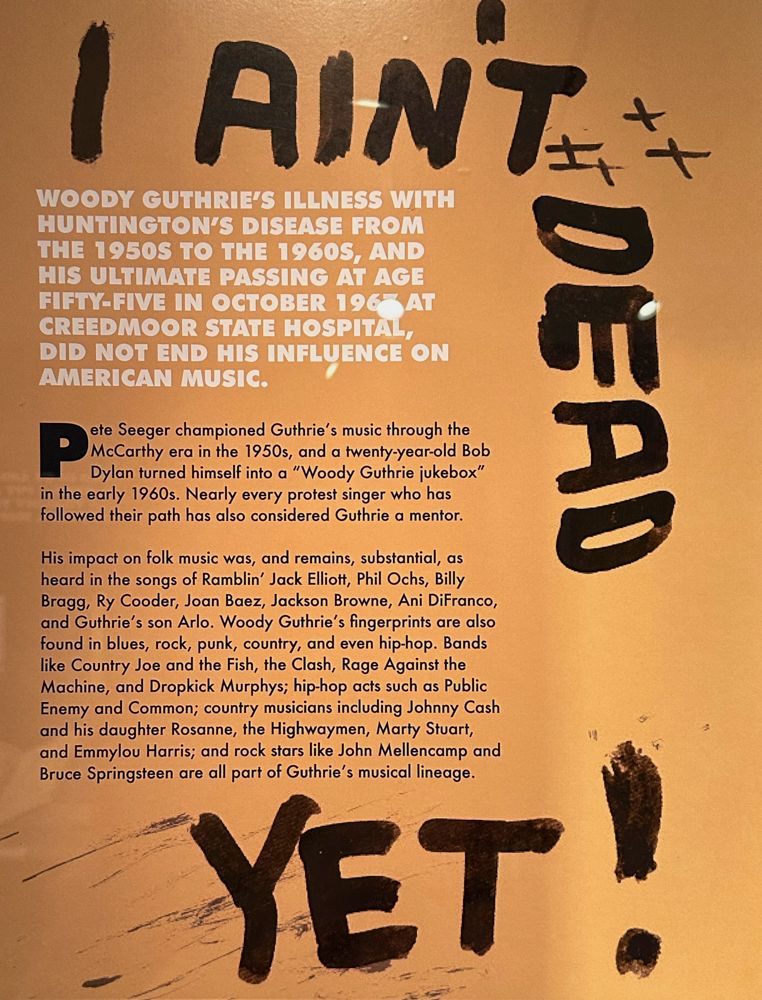
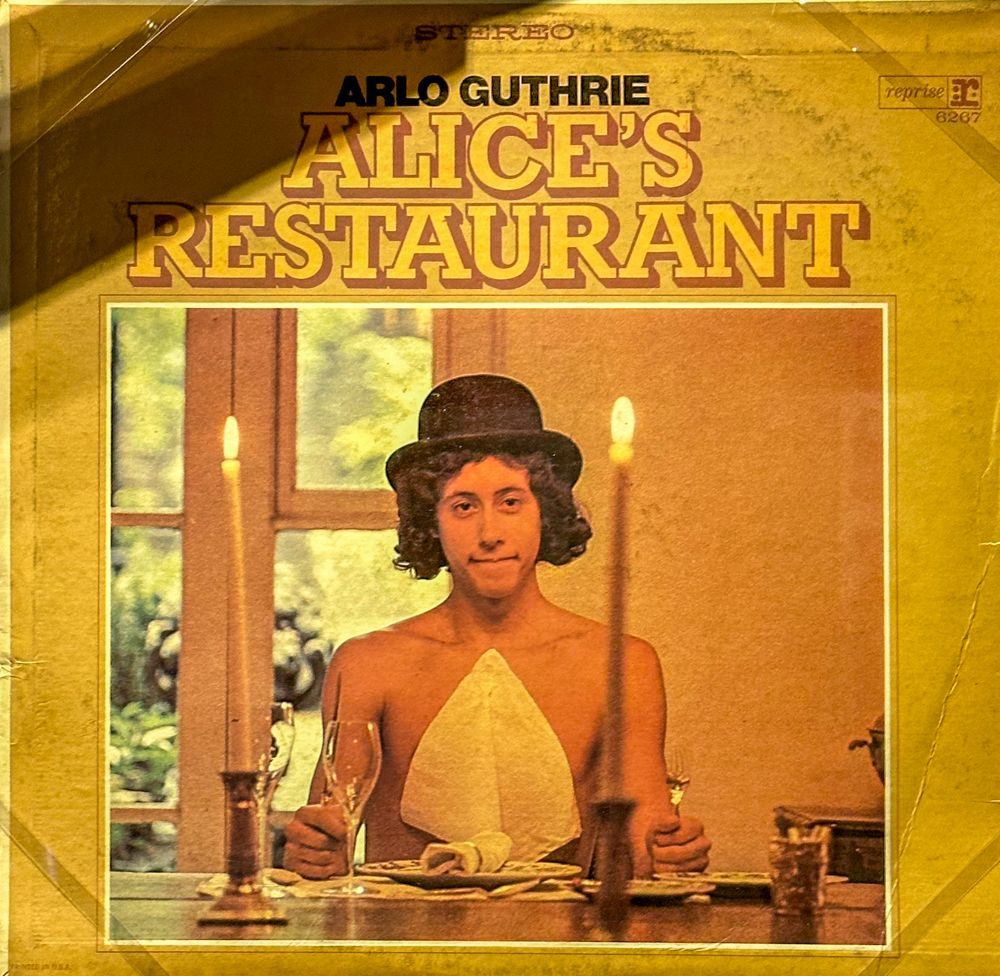
His life was marked by tragedy on a number of occasions. When Guthrie was seven, his sister Clara died after setting her clothes on fire during an argument with her mother, and, later, their father was severely burned in a fire at home. Guthrie's mother, Nora, was afflicted with Huntington's disease, although at the time it was simply thought to be mental illness with physical degeneration. His son Bill, from his first marriage, perished at age 23 as the result of an automobile accident. Both daughters, Gwendolyn and Sue, died of Huntington's disease at the age of 41, evidently passed on from their father, although Guthrie himself was not diagnosed with the condition until much later in life. Guthrie married twice more, to Marjorie Greenblatt , and Anneke Van Kirk, and had a total of eight children, including Arlo Guthrie, a successful folk singer in his own right.
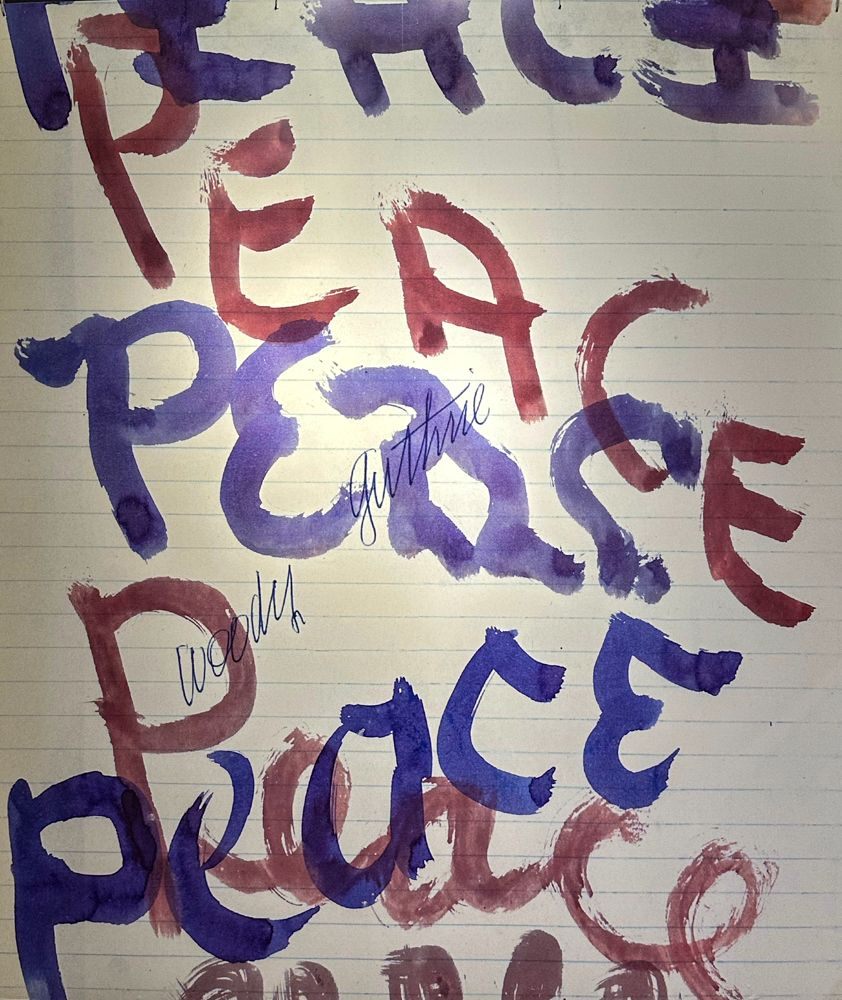
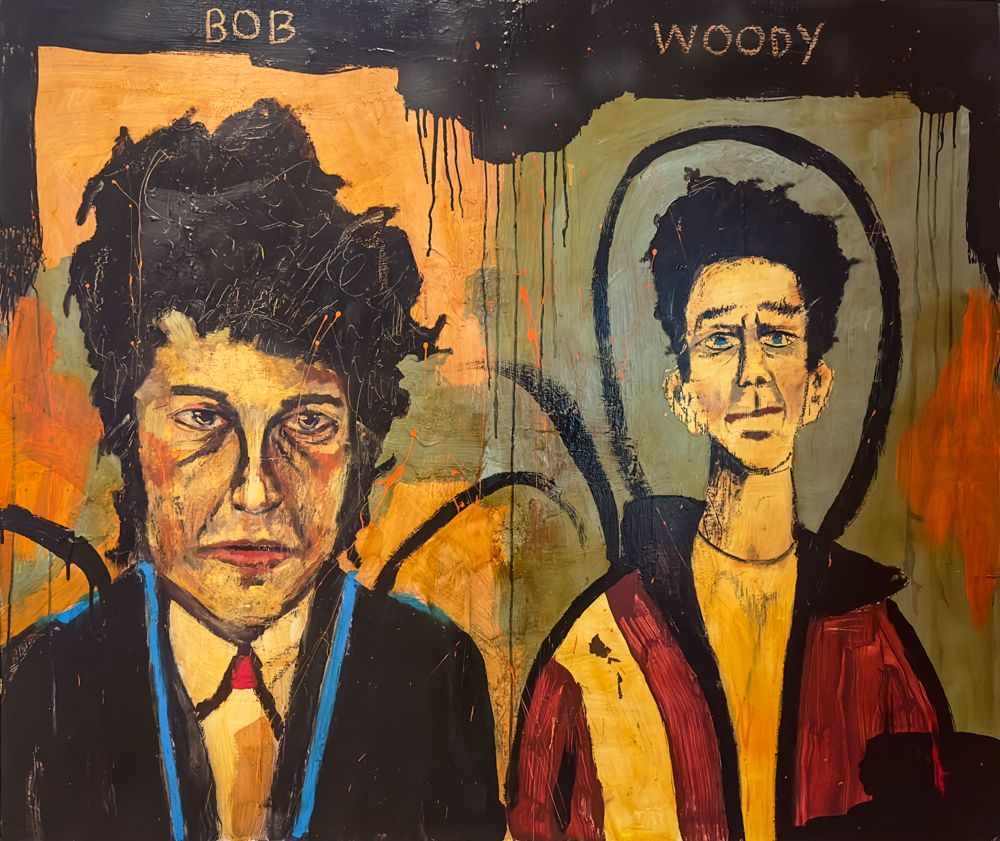
It seems that creative types are often multi-talented. In addition to song-writing, Guthrie produced a prolific amount of visual art as well as writings that were independent of any music.
I then walked down the street to the Bob Dylan Center . Both the Guthrie archive and, later, the Dylan archive were purchased by the George Kaiser Family Foundation , which explains how the Dylan archive came to be in Oklahoma.
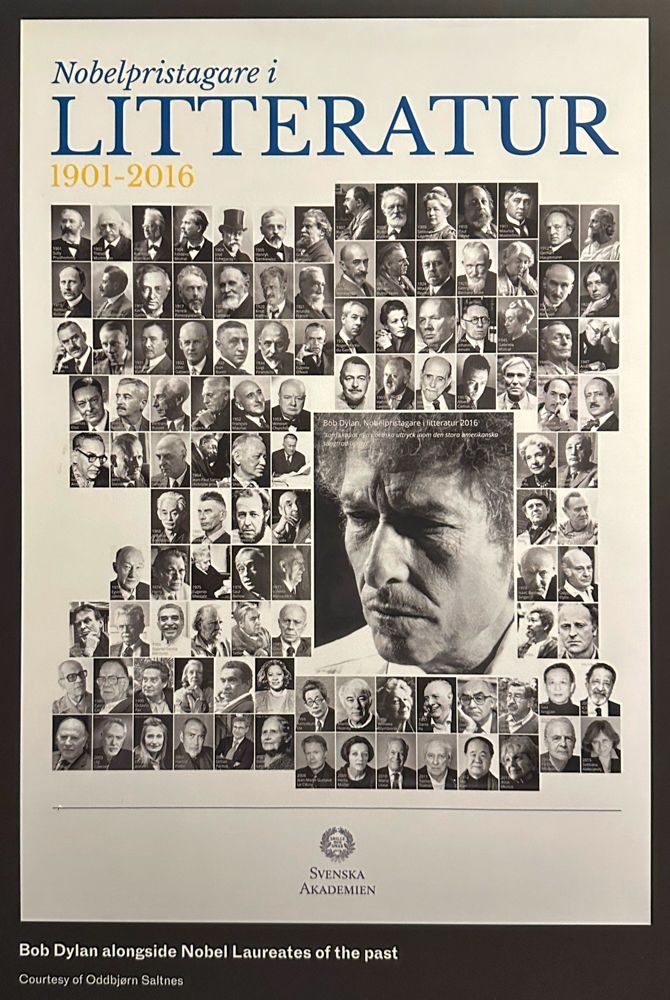
Dylan was greatly influenced by Guthrie early in his career. He self-described an early period in his 20s as a time in which he turned himself into a Woody Guthrie jukebox. Of course he quickly became very much his own man and his own artist, to the extent that he was awarded the Presidential Medal of Freedom by Barak Obama in 2012 and Nobel Prize in literature in 2016. Not to mention the 10 Grammys, a Golden Globe and and Oscar, among many other honors.
Dylan’s most celebrated work dates from the 1960s , when songs such as "Blowin' in the Wind" and "The Times They Are a-Changin'" became anthems for the civil rights and antiwar movements. Following the example of Guthrie, his lyrics during this period harkened to political, social, philosophical, and literary influences, defying pop music conventions and appealing to the burgeoning counterculture. Also like Guthrie, Dylan produced visual art works which have been published and exhibited in major venues. Bob Dylan has reinvented himself multiple times. Now in his 80’s, Bob Dylan continues to write, perform and tour.
And this brings us back to Bruce Springsteen, who was clearly influenced by, and carries on the socially conscious ethos of both Guthrie and Dylan. Especially in today’s trouble times, giving voice to the sentiments that people are feeling is a critical element to channeling frustration and, hopefully, effecting change.
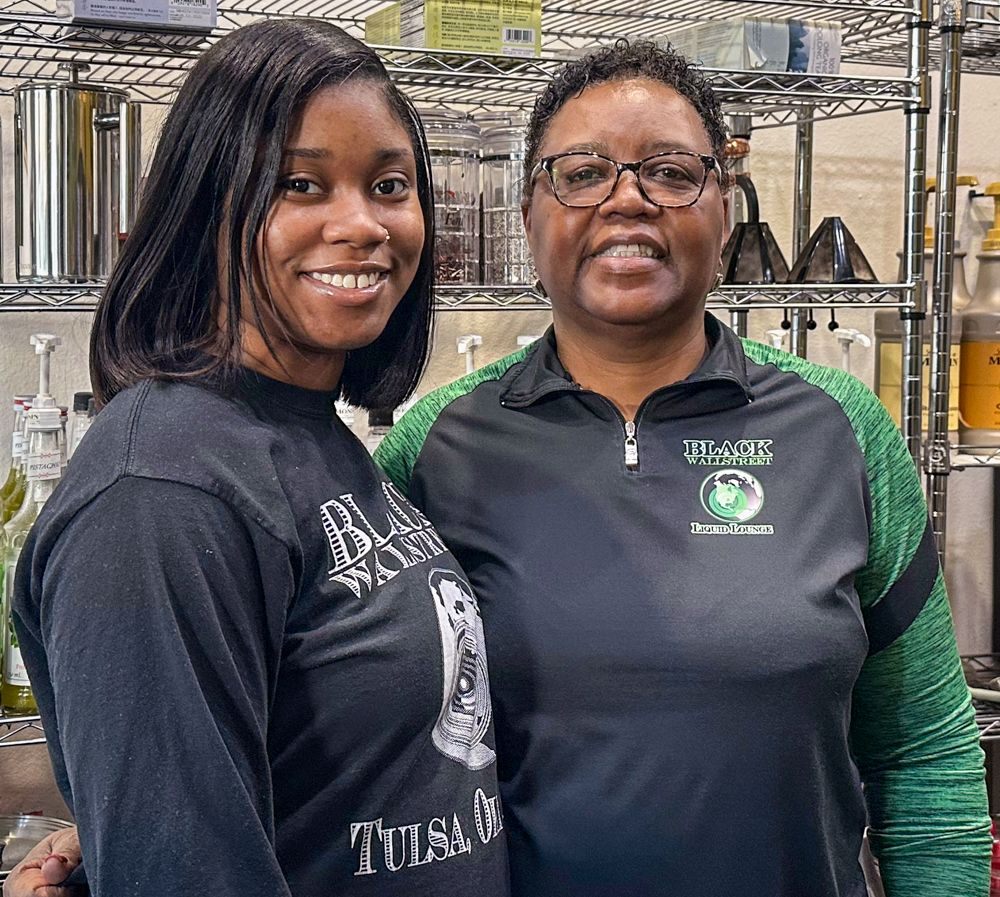
On to my visit to Greenwood, also known as Black Wall Street. I started my visit with a coffee at the Black Wall Street Liquid Lounge. This is very much a neighborhood coffee shop that also serves to further the education of both students and the occasional tourist who wanders in. I had a warm and instructive conversation with Charlotte, who was working the counter. Amerykah, also lovely, is the manager. They (along with the coffee) prepared me for my visit to Greenwood Rising , located across the street.
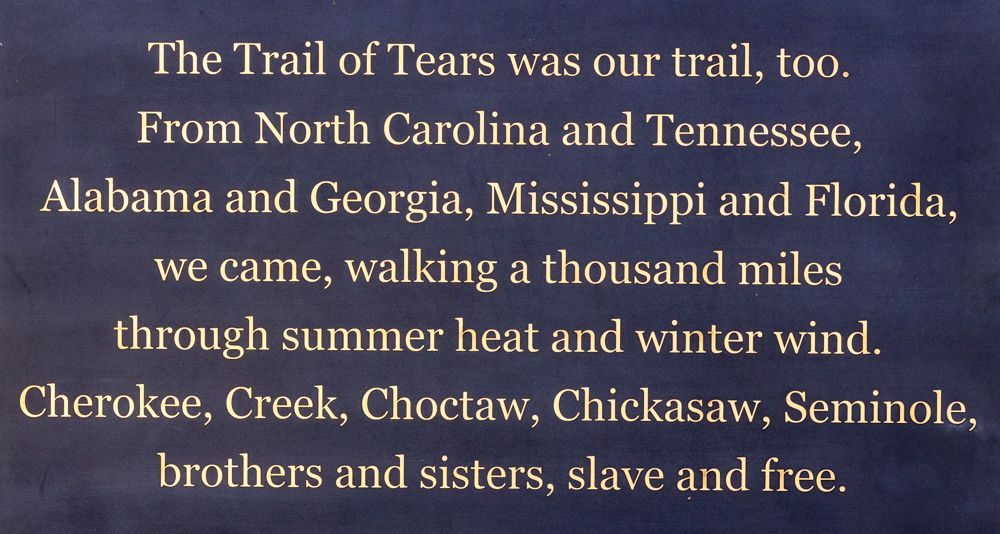
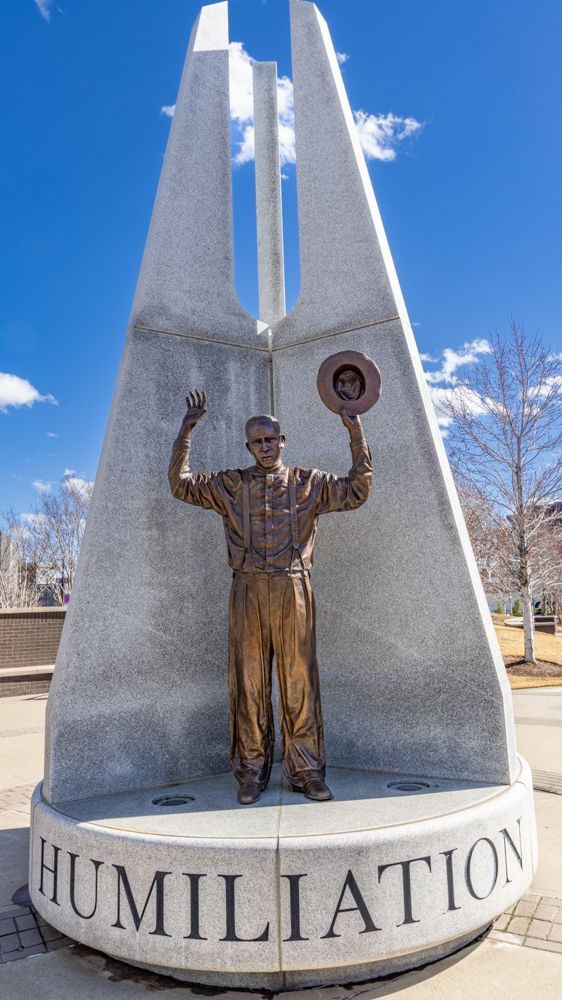
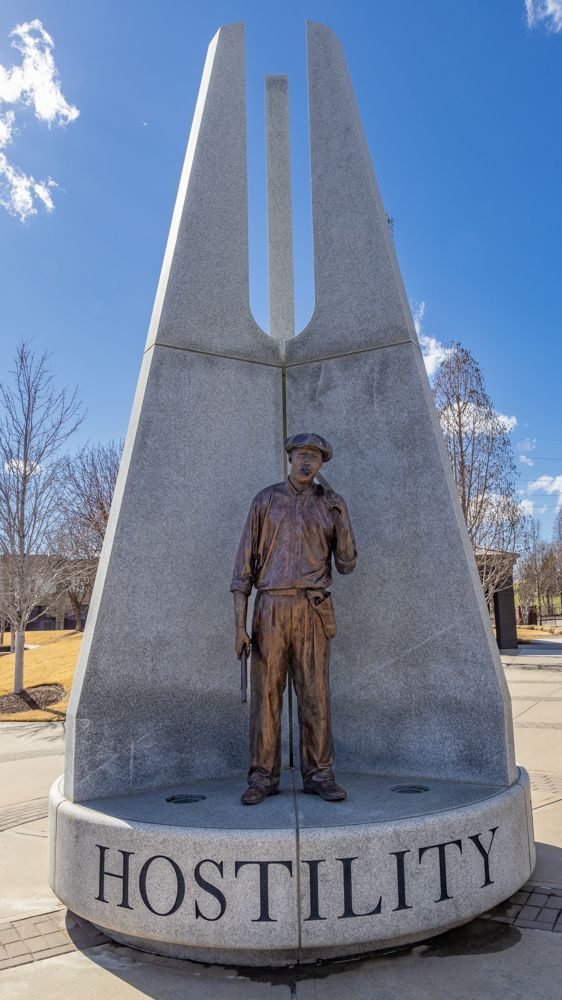
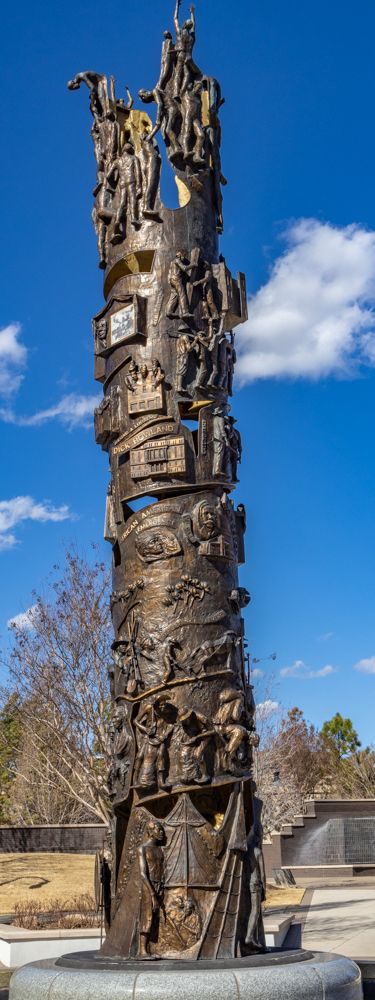
Hopefully you will remember the posts from Oklahoma City , in which I discussed how the eviction of many First American tribes from their native lands, and consolidation into Eastern Oklahoma, gave way to the land run of 1889. These events intersect in a rather complicated way with African-American history. African-Americans both co-existed with, and were sometimes enslaved by, First American tribes. As such, they were collateral damage in the Trail of Tears, in which the Five Civilized Tribes (Choctaw, Muskogee (Creek), Seminole, Cherokee and Chickasaw) were forcibly relocated. As well, African-American Freedmen participated in the Oklahoma land run. Greenwood Rising sits on land once held by the Mucogee (Creek) Nation. The first exhibit acknowledges and honors this connection. Ultimately, Black Tulsans were confined to the Greenwood district in which they established a flourishing and financially successful community known, at the time, as the “Negro Wall Street of America ”
The Tulsa race riot of 1921 has been characterized as the single worst incident of racial violence in American history. Dick Rowland, a 19 year old shoe shiner, was accused Sarah Page, a young white elevator operator. Spurred on by sensational new coverage, a white lynch mob gathered outside the Tulsa County Courthouse where Rowland was being held. However, a group of black Tulsans, many of whom were military veterans, were equally determined to prevent the lynching. A shot was fired and the city erupted into chaos. Through the long night, and the day that followed, the escalating violence literally destroyed the city. Over 1200 homes and businesses were burnt to the ground, and the human loss, both black and white, was likely over 300.
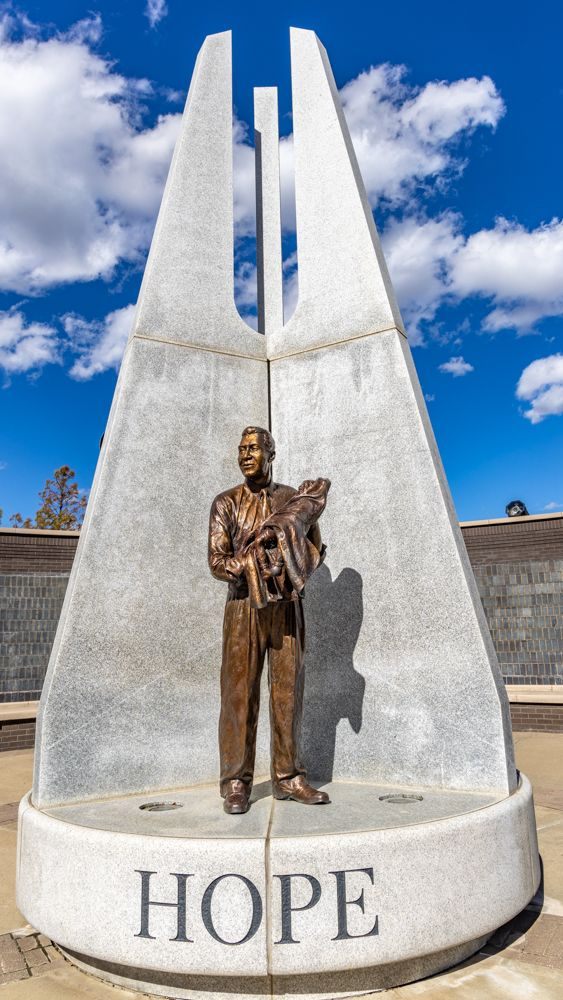
In spite of efforts to the contrary, the neighborhood was rebuilt. It survived a downturn in the 1960s due to social and economic conditions, but has, again, persevered. It is once again a thriving community, now with a museum to preserve the story.
I started the day at the Woody Guthrie center . Guthrie is considered by many as the father of socially conscious folk music. Born in Okemah, Oklahoma, he married at 19, but with the advent of the dust storms that marked the Dust Bowl period, he left his wife and three children to join the exodus of many Oklahomans to California in hopes of finding employment. He ultimately pursued a vagabond existence, traveling to many places in the U.S.
He was a contemporary of Pete Seger and inspired both Bob Dylon and Bruce Springsteen , as well as many others. Perhaps his most famous song is This Land is Your Land , written in response to both God Bless America and The Star Spangled Banner . Verses critical of America are not often performed in schools or official functions. They can be best interpreted as a protest against the vast income inequalities that exist in the United States, and against the sufferings of millions during the Great Depression. The U.S. Guthrie insisted, was made—for you and me. He frequently performed with the message "This machine kills fascists" displayed on his guitar.
His life was marked by tragedy on a number of occasions. When Guthrie was seven, his sister Clara died after setting her clothes on fire during an argument with her mother, and, later, their father was severely burned in a fire at home. Guthrie's mother, Nora, was afflicted with Huntington's disease, although at the time it was simply thought to be mental illness with physical degeneration. His son Bill, from his first marriage, perished at age 23 as the result of an automobile accident. Both daughters, Gwendolyn and Sue, died of Huntington's disease at the age of 41, evidently passed on from their father, although Guthrie himself was not diagnosed with the condition until much later in life. Guthrie married twice more, to Marjorie Greenblatt , and Anneke Van Kirk, and had a total of eight children, including Arlo Guthrie, a successful folk singer in his own right.
It seems that creative types are often multi-talented. In addition to song-writing, Guthrie produced a prolific amount of visual art as well as writings that were independent of any music.
I then walked down the street to the Bob Dylan Center . Both the Guthrie archive and, later, the Dylan archive were purchased by the George Kaiser Family Foundation , which explains how the Dylan archive came to be in Oklahoma.
Dylan was greatly influenced by Guthrie early in his career. He self-described an early period in his 20s as a time in which he turned himself into a Woody Guthrie jukebox. Of course he quickly became very much his own man and his own artist, to the extent that he was awarded the Presidential Medal of Freedom by Barak Obama in 2012 and Nobel Prize in literature in 2016. Not to mention the 10 Grammys, a Golden Globe and and Oscar, among many other honors.
Dylan’s most celebrated work dates from the 1960s , when songs such as "Blowin' in the Wind" and "The Times They Are a-Changin'" became anthems for the civil rights and antiwar movements. Following the example of Guthrie, his lyrics during this period harkened to political, social, philosophical, and literary influences, defying pop music conventions and appealing to the burgeoning counterculture. Also like Guthrie, Dylan produced visual art works which have been published and exhibited in major venues. Bob Dylan has reinvented himself multiple times. Now in his 80’s, Bob Dylan continues to write, perform and tour.
And this brings us back to Bruce Springsteen, who was clearly influenced by, and carries on the socially conscious ethos of both Guthrie and Dylan. Especially in today’s trouble times, giving voice to the sentiments that people are feeling is a critical element to channeling frustration and, hopefully, effecting change.
On to my visit to Greenwood, also known as Black Wall Street. I started my visit with a coffee at the Black Wall Street Liquid Lounge. This is very much a neighborhood coffee shop that also serves to further the education of both students and the occasional tourist who wanders in. I had a warm and instructive conversation with Charlotte, who was working the counter. Amerykah, also lovely, is the manager. They (along with the coffee) prepared me for my visit to Greenwood Rising , located across the street.
Hopefully you will remember the posts from Oklahoma City , in which I discussed how the eviction of many First American tribes from their native lands, and consolidation into Eastern Oklahoma, gave way to the land run of 1889. These events intersect in a rather complicated way with African-American history. African-Americans both co-existed with, and were sometimes enslaved by, First American tribes. As such, they were collateral damage in the Trail of Tears, in which the Five Civilized Tribes (Choctaw, Muskogee (Creek), Seminole, Cherokee and Chickasaw) were forcibly relocated. As well, African-American Freedmen participated in the Oklahoma land run. Greenwood Rising sits on land once held by the Mucogee (Creek) Nation. The first exhibit acknowledges and honors this connection. Ultimately, Black Tulsans were confined to the Greenwood district in which they established a flourishing and financially successful community known, at the time, as the “Negro Wall Street of America ”
The Tulsa race riot of 1921 has been characterized as the single worst incident of racial violence in American history. Dick Rowland, a 19 year old shoe shiner, was accused Sarah Page, a young white elevator operator. Spurred on by sensational new coverage, a white lynch mob gathered outside the Tulsa County Courthouse where Rowland was being held. However, a group of black Tulsans, many of whom were military veterans, were equally determined to prevent the lynching. A shot was fired and the city erupted into chaos. Through the long night, and the day that followed, the escalating violence literally destroyed the city. Over 1200 homes and businesses were burnt to the ground, and the human loss, both black and white, was likely over 300.
In spite of efforts to the contrary, the neighborhood was rebuilt. It survived a downturn in the 1960s due to social and economic conditions, but has, again, persevered. It is once again a thriving community, now with a museum to preserve the story.
61 photo galleries
50 States
- Big Sur
- Salinas
- Laguna Beach
- San Diego
- California
- Grand Canyon
- Sedona
- Utah
- Syracuse
- Moab
- Denver
- Manitou Springs
- Calhan
- Mesa Verde
- Los Alamos
- Santa Fe
- Carlsbad
- New Mexico
- Eureka Springs
- Little Rock
- Birmingham
- Jackson
- Lottie
- Ten Thousand Islands
- Jerome
- Savannah
- White
- Asheville
- Sandstone Falls
- Baltimore
- Timonium
- Maryland
- Berlin
- Milton
- Smyrna
- Ocean City
- Detroit
- Upper Peninsula of Michigan
- Michigan
- Herod
- Ozark
- Two Harbors
- Carlton
- Madison County
- Oakley
- Valentine
- South Dakota
- United States
- Yellowstone National Park
- Lima
- Idaho
- Port Townsend
- Lincoln City
- Newport
- San Francisco