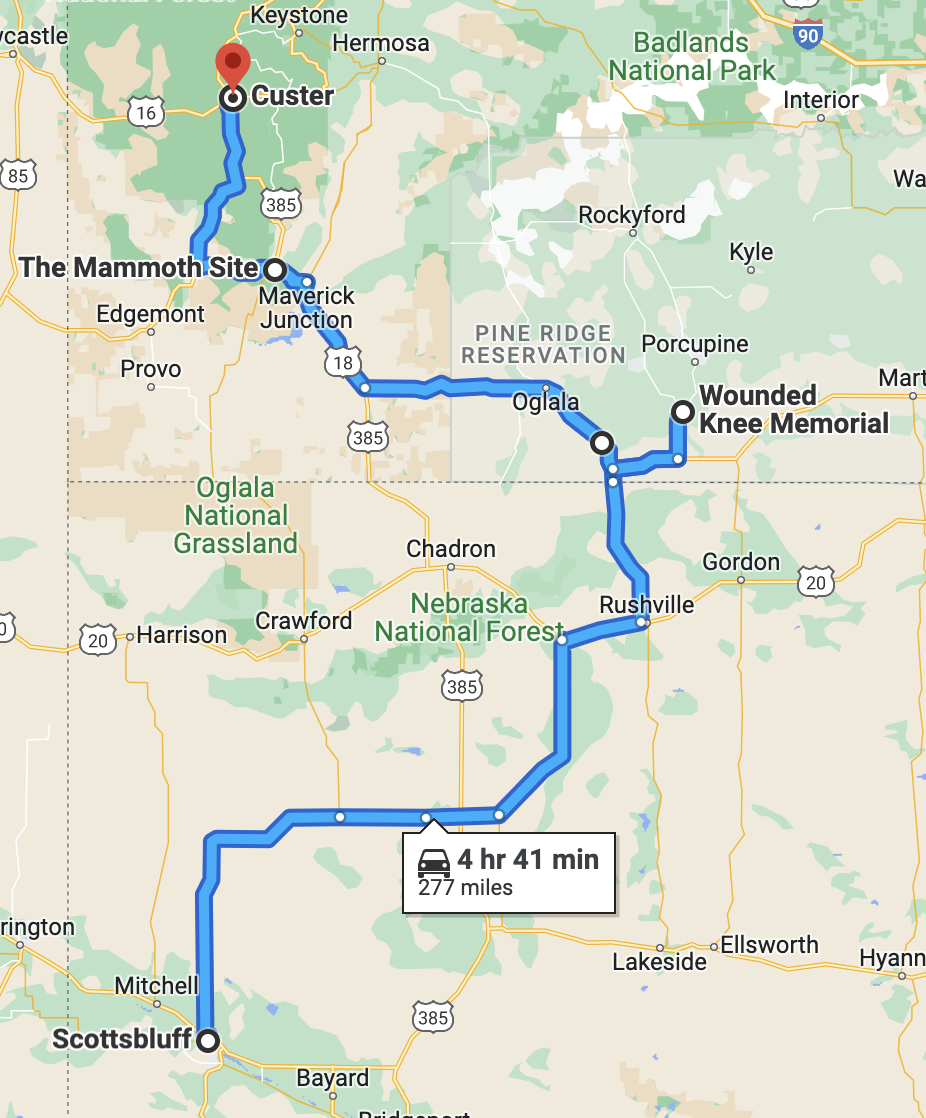
Scottsbluff, NE to Custer, SD
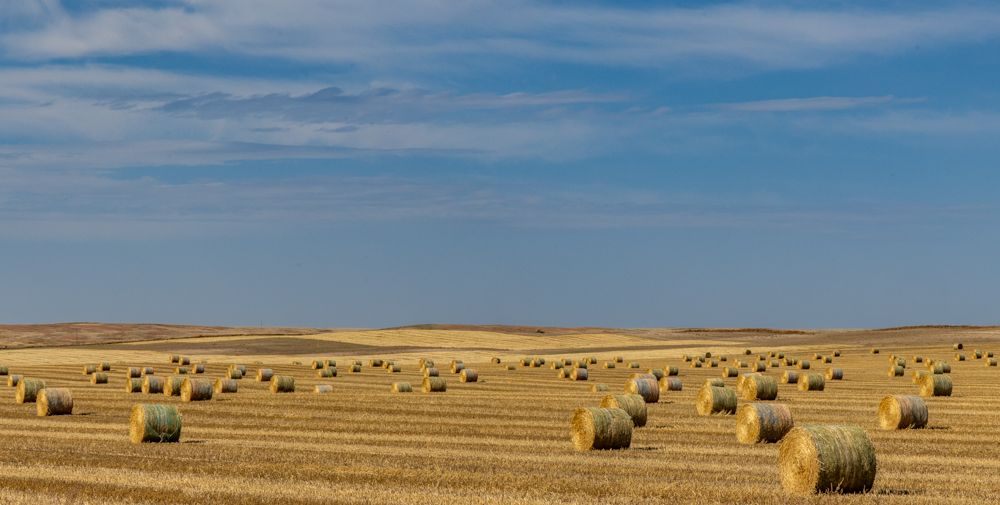
This morning I drove north to South Dakota, with the plan to make a few stops along the way. Again, I drove mostly back roads and again, there were hundreds of miles with literally no services. I am continuing to be vigilant about making sure I never drop below a half a tank.
As soon as I crossed over into South Dakota, I entered Lakota Nation lands. I was immediately aware of the abject poverty blanketing this area. Housing structures are mostly mobile homes lacking - as I found out later - no infrastructure. They apparently are not hooked up to the electric grid or even running water. I later read that the unemployment rate is 80%. I saw my first gas station and stopped to fill up. When I went in to use the facilities in the associated fast food restaurant, I saw that it was sort of a hang-out for the locals. Defeat and resignation hung heavy in the air. It brought into stark reality everything I have learned this year about the tragic and shameful history of indigenous peoples in America. I had hoped to stop at The Heritage Center, but it was closed for the weekend.
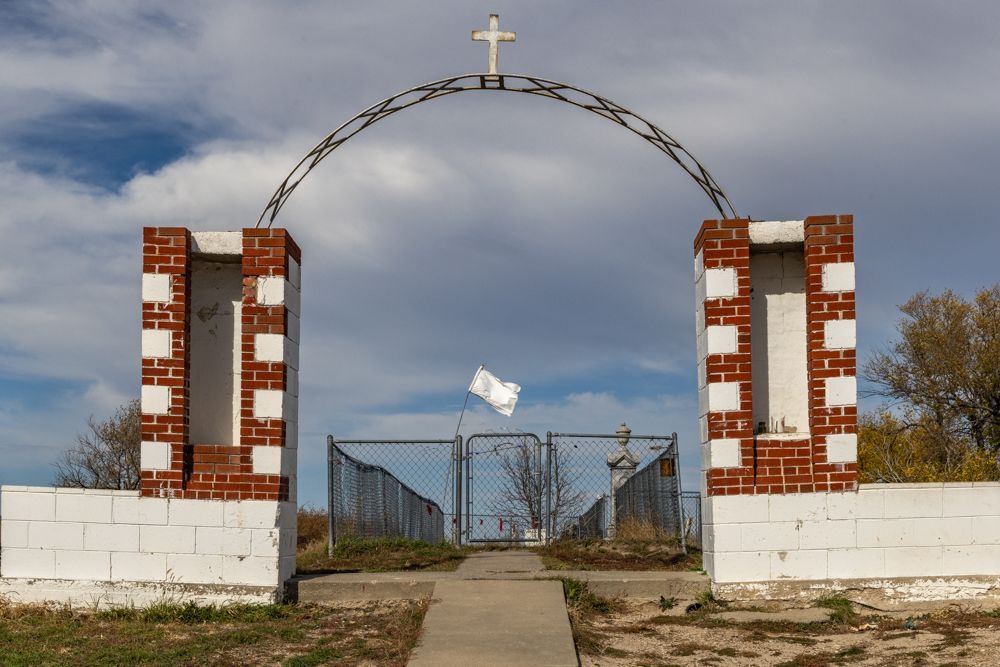
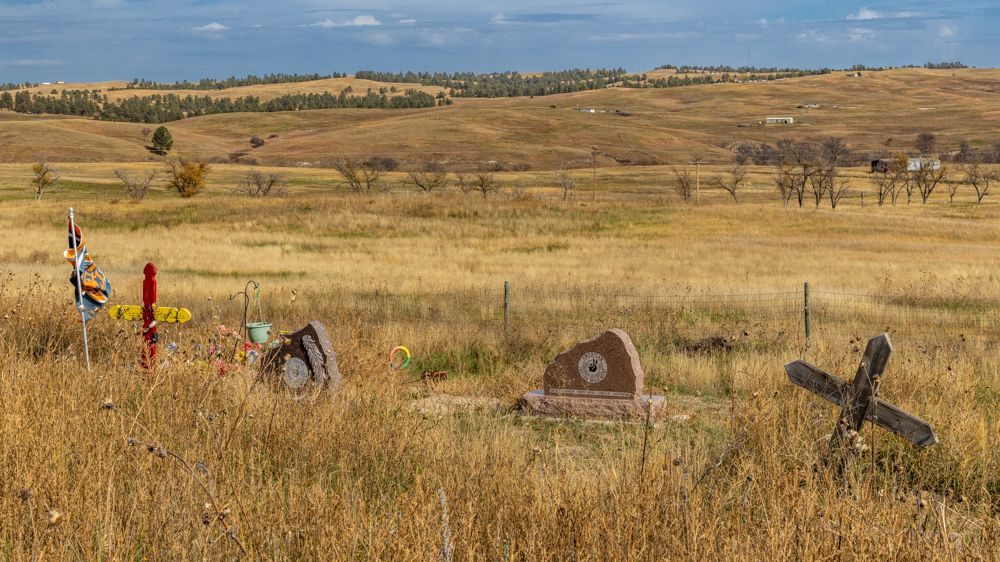
My next destination was the Massacre at Wounded Knee memorial site. By the second half of the 19th century, the Lakota Sioux had suffered a generation of persecution and broken treaties. The European-American settlers pouring into the Dakota Territory following the 1874 discovery of gold in the Black Hills seized millions of acres of land that had been promised to the Lakota and nearly annihilated the native buffalo population. As their traditional hunting grounds evaporated and their culture was suffocated, the Lakota found themselves mostly confined to government reservations. They further endured droughts and epidemics of disease, courtesy of the white man.
As a condition of their surrender to the reservation system, the Lakota were forbidden to participate in the Sun Dance, their most important religious ceremony. The Ghost Dance movement gained popularity among the Lakota after its 1889 revival by the Paiute prophet Wovoka. Its adherents believed that participants in a ritual circular dance would usher in a utopian future in which a cataclysm would destroy the United States, eradicate white colonists from the continent and bring about the resurrection of everything they had lost—their land, their buffalo herds and even their dead ancestors. One can hardly blame them for such a dream. White settlers observing the Ghost Dance became convinced that it was the prelude to an armed uprising, while in reality it was just an expression of yearning. The federal government banned Ghost Dance ceremonies and mobilized the largest military deployment since the Civil War.
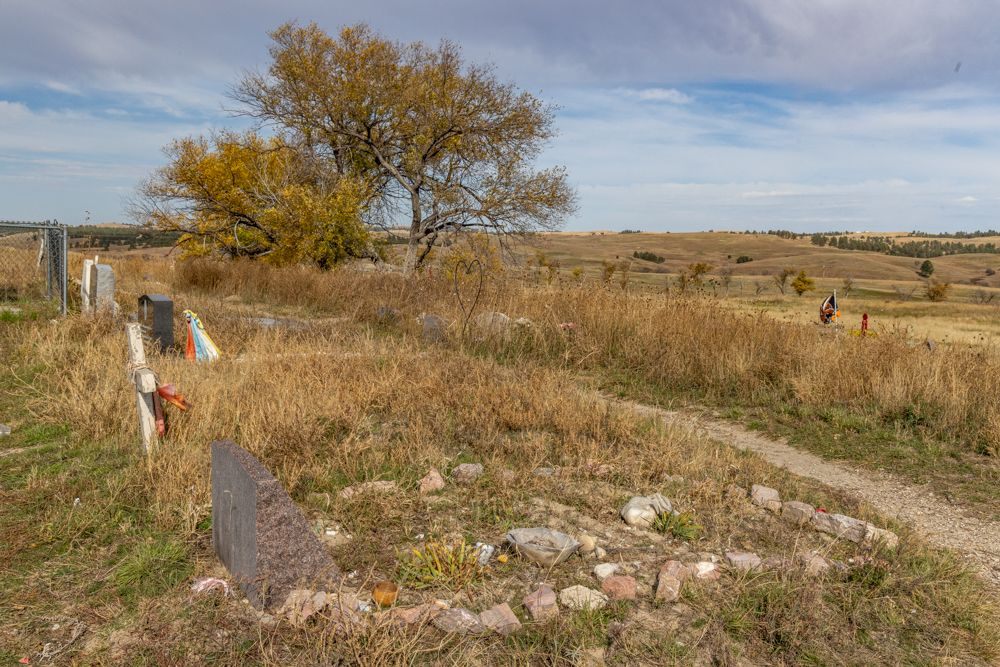
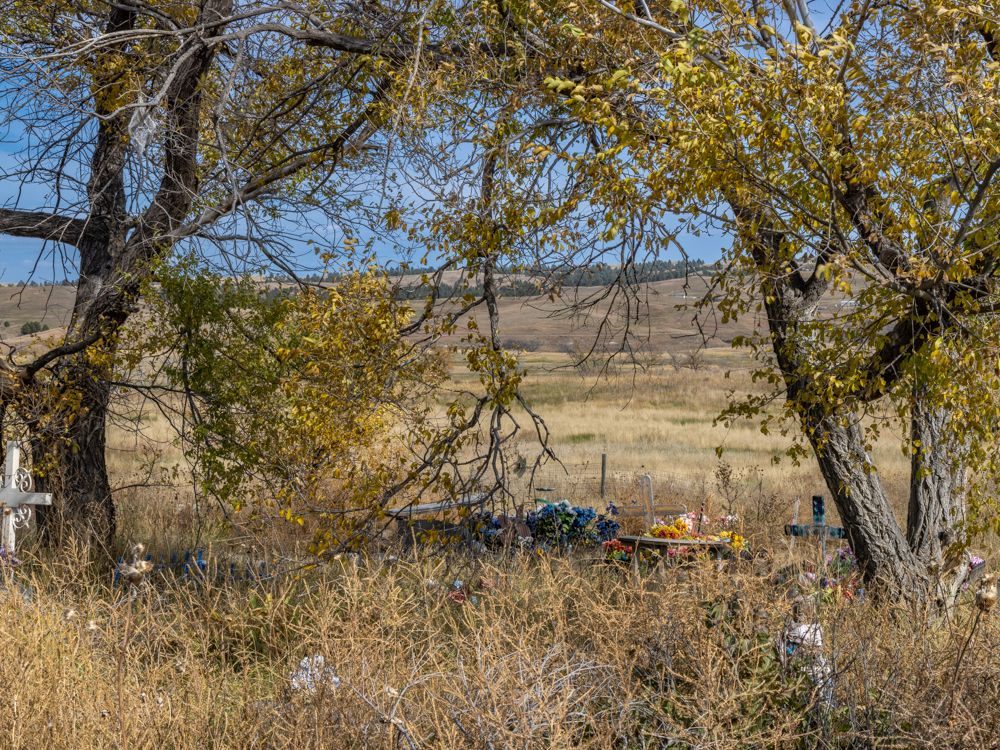
When the Indian police attempted to take Chief Sitting Bull into custody on the Standing Rock Reservation on December 15, 1890, the Sioux leader was killed in the ensuing melee. With a military warrant out for his arrest, Sitting Bull’s half-brother, Chief Spotted Elk (sometimes referred to as Chief Big Foot), fled Standing Rock with a band of Lakota for the Pine Ridge Reservation more than 200 miles away on the opposite side of the state. On December 28, the U.S. cavalry caught up with Spotted Elk and his group of mostly elders, women and children near the banks of Wounded Knee Creek. The American forces arrested Spotted Elk, who was too ill with pneumonia to sit up, let alone walk. On December 29 American soldiers surrounded the Lakota and launched a hailstorm of bullets. Spotted Elk was killed where he lay and at least 150 Lakota, possibly as many as 300, were killed along with 25 American soldiers, who were mostly struck down by friendly fire. The majority of the victims were women, children and the elderly. The bodies were eventual dumped into a mass grave, which still stands across the street from the memorial site.
Twenty of the soldiers would soon receive the Medal of Honor , the U.S. military’s highest and most prestigious commendation, for their actions at Wounded Knee. More than a century later, legislators and activists are calling on President Joe Biden to revoke the medals awarded to the soldiers who participated in the killings. Once touted as a victory against an intractable enemy, Wounded Knee is remembered today as an outright massacre.
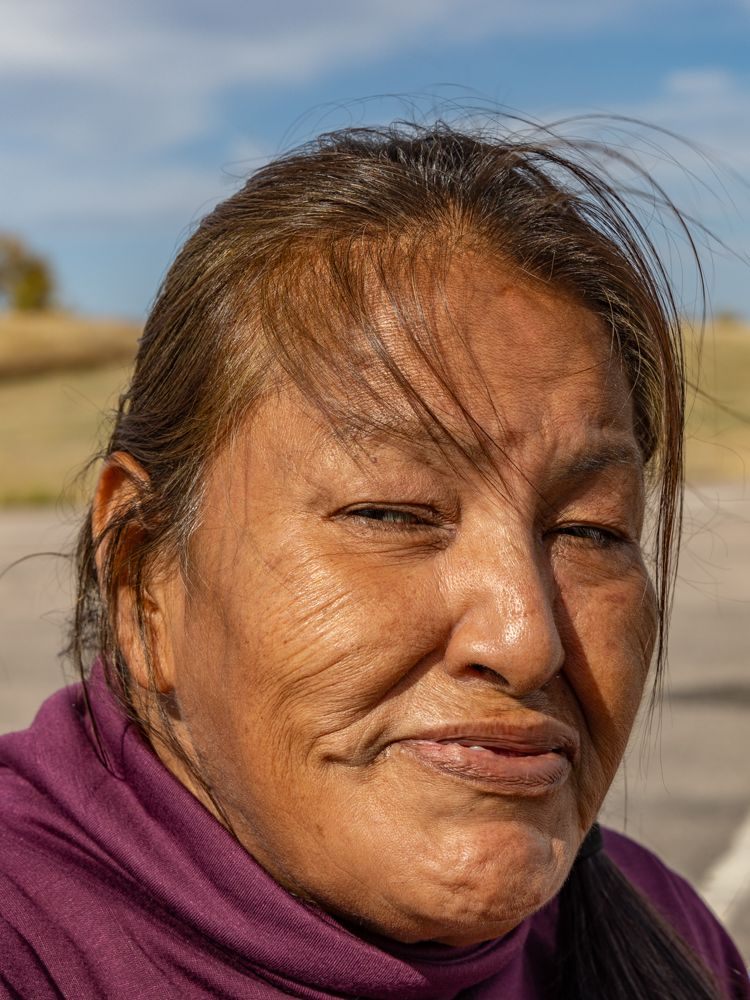
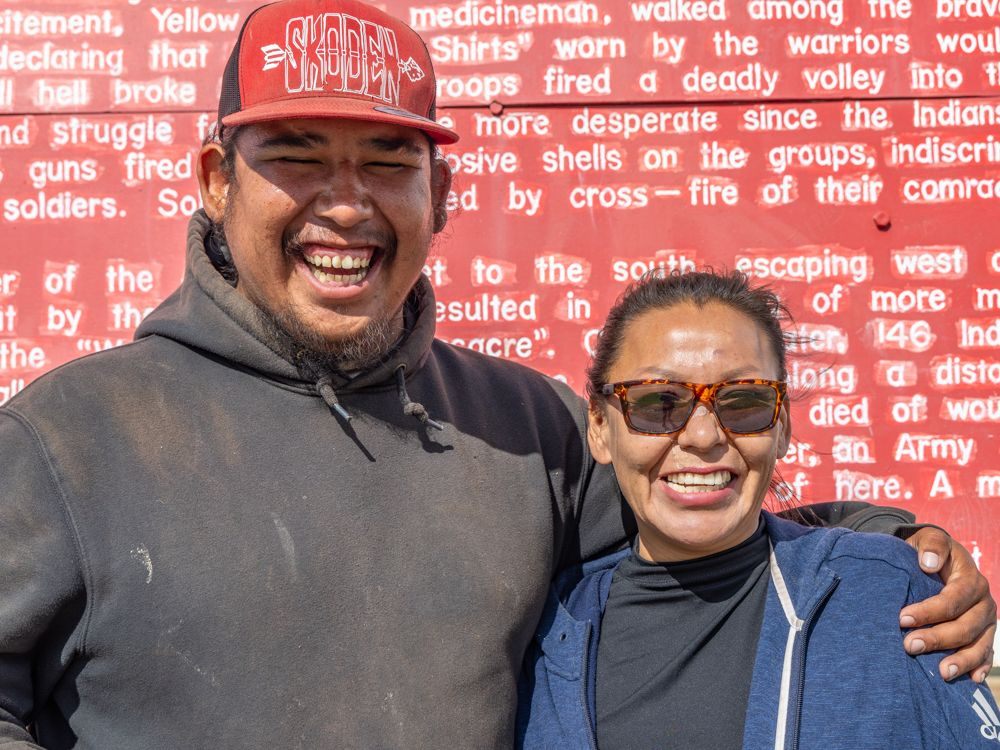
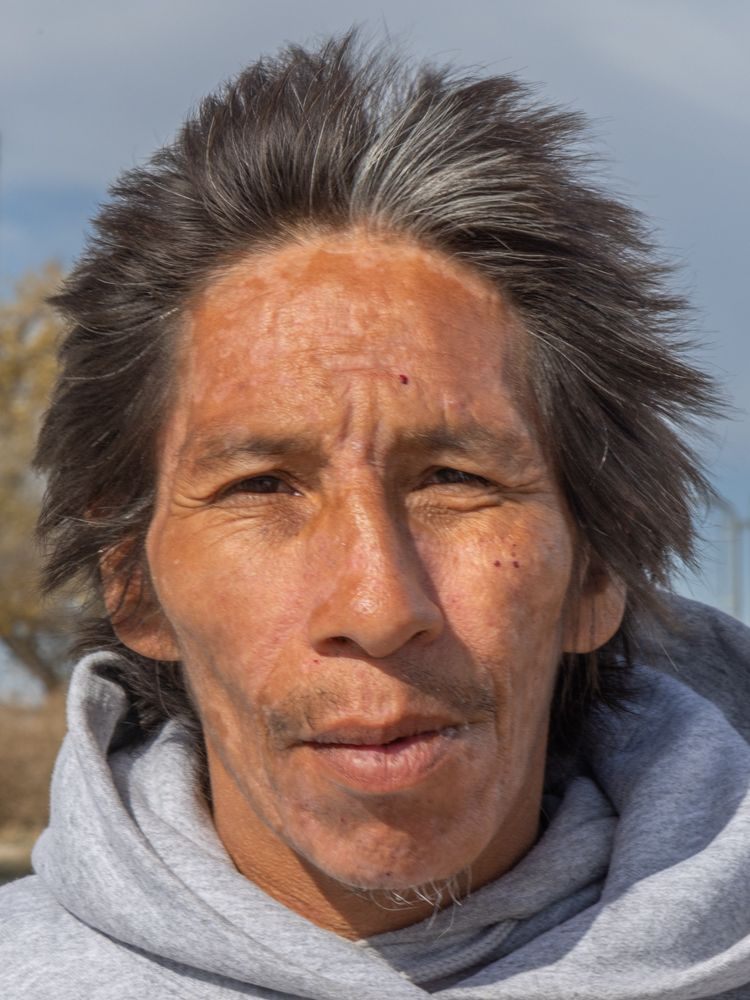
When I arrived at the site, I was unprepared for the approach of Tribal members who wanted to sell me trinkets. I felt like I had been transported to a third world country. As I began to talk with the members who were there, several more saw an opportunity and began to approach. I first spoke with a younger woman name Bree Hawk Wing. She did tell me a bit about the history of the site. For example, the green sign signaling the Battle at Wounded Knee has been changed out for a red sign clearly stating that the event was the Massacre at Wounded Knee. She had some dream catchers made by her grandmother (also sitting in the car along with her grandfather and others). I purchased a Strong Woman dream catcher from her and she also gave me a little hand-written story about it. Next I spoke to Beverly Bear Eagle. I was actually interested in her quill bracelets as I had learned about the use of porcupine quills in Native American crafts earlier this year at the Eiteljorg museum in Indianapolis. I purchased one and she explained the the specific weaving indicated the Black hills, a lightning bolt, and the sun. I also purchased a sweetgrass braid from Hehaka maza (Iron Elk), English name Mark Goings. Mark was the one who explained to me that he and others were living in primitive conditions without even a water hook-up. Obviously there is a breakdown in social services somewhere, but I’m sure the situation is complex. I would have liked to engage them in conversation, but the barrage of people wanting to sell me stuff made it a difficult situation.
I made my way over to the grave site where I met another young man (I neglected to write down his name) - well he saw me drive up and took the opportunity. He explained that he had just taken a relative with diabetes for her dialysis treatment. It went on and on. I ended up emptying my wallet (fortunately I carry relatively little cash). I’m quite sure I way overpaid for the actual worth of the trinkets, but that misses the point. It was a small thing I could do to help them out just a little bit. I left sad and demoralized.
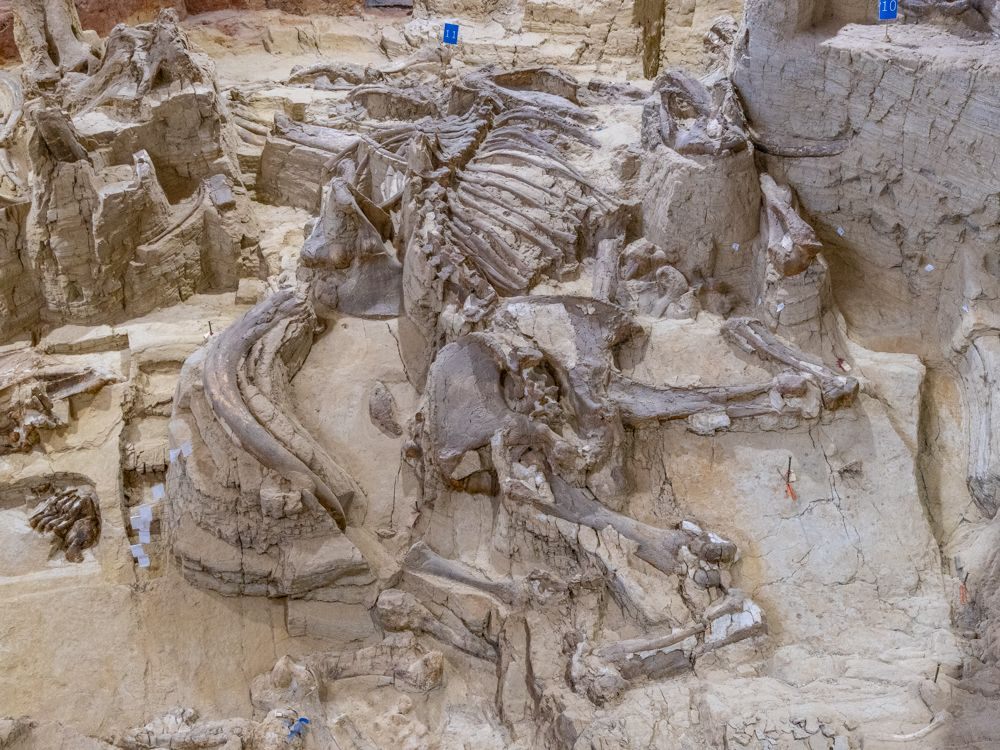
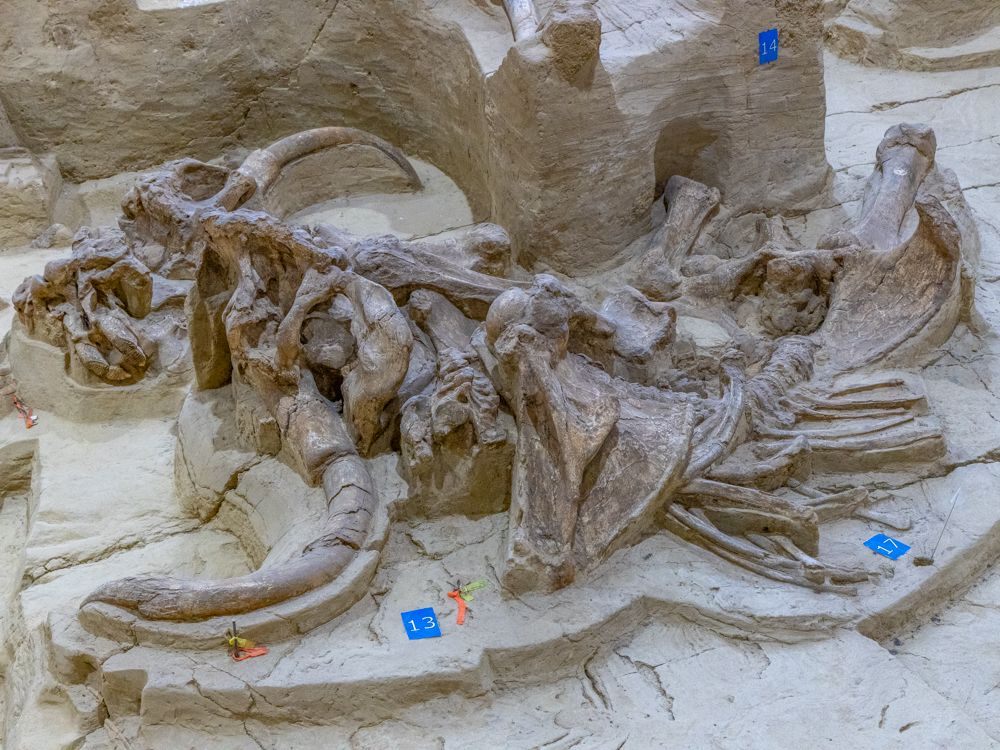
My next stop was The Mammoth Site in Hot Springs. This site was once a sink hole that trapped many mammoths, as well as other animals. As per the typical story, it was discovered in 1974 when a bulldozer clearing the site for a housing development began to unearth giant bones. The land owner, who immediately recognized the significance of the discovery, agreed to sell the land at cost and a 501(c)(3) organization now administers both the research and public access. It is a working paleontological site, now enclosed by a structure and attached to a museum. There is a short introductory video and a walkway above the pit allows up-close and personal viewing of the bones in situ. They are not fossilized, as conditions in the pit did not lead to that outcome, so are quite fragile. The tour is self-guided with informative QR codes at each station. It is definitely a hidden gem and picked up my spirits a bit.
I then headed up to my lodging in Custer, the EO Bungalows . I never know what to expect with these private offerings. This one is lovely. It features a full kitchen, a spa shower and tastefully appointed accoutrements. I think over COVID everyone got used to contactless check-in and door codes keyed to the last 4 of your phone number are now common. I have only communicated with the proprietor over e-mail and text.
Tomorrow I will begin my exploration of the Black Hills region.
As soon as I crossed over into South Dakota, I entered Lakota Nation lands. I was immediately aware of the abject poverty blanketing this area. Housing structures are mostly mobile homes lacking - as I found out later - no infrastructure. They apparently are not hooked up to the electric grid or even running water. I later read that the unemployment rate is 80%. I saw my first gas station and stopped to fill up. When I went in to use the facilities in the associated fast food restaurant, I saw that it was sort of a hang-out for the locals. Defeat and resignation hung heavy in the air. It brought into stark reality everything I have learned this year about the tragic and shameful history of indigenous peoples in America. I had hoped to stop at The Heritage Center, but it was closed for the weekend.
My next destination was the Massacre at Wounded Knee memorial site. By the second half of the 19th century, the Lakota Sioux had suffered a generation of persecution and broken treaties. The European-American settlers pouring into the Dakota Territory following the 1874 discovery of gold in the Black Hills seized millions of acres of land that had been promised to the Lakota and nearly annihilated the native buffalo population. As their traditional hunting grounds evaporated and their culture was suffocated, the Lakota found themselves mostly confined to government reservations. They further endured droughts and epidemics of disease, courtesy of the white man.
As a condition of their surrender to the reservation system, the Lakota were forbidden to participate in the Sun Dance, their most important religious ceremony. The Ghost Dance movement gained popularity among the Lakota after its 1889 revival by the Paiute prophet Wovoka. Its adherents believed that participants in a ritual circular dance would usher in a utopian future in which a cataclysm would destroy the United States, eradicate white colonists from the continent and bring about the resurrection of everything they had lost—their land, their buffalo herds and even their dead ancestors. One can hardly blame them for such a dream. White settlers observing the Ghost Dance became convinced that it was the prelude to an armed uprising, while in reality it was just an expression of yearning. The federal government banned Ghost Dance ceremonies and mobilized the largest military deployment since the Civil War.
When the Indian police attempted to take Chief Sitting Bull into custody on the Standing Rock Reservation on December 15, 1890, the Sioux leader was killed in the ensuing melee. With a military warrant out for his arrest, Sitting Bull’s half-brother, Chief Spotted Elk (sometimes referred to as Chief Big Foot), fled Standing Rock with a band of Lakota for the Pine Ridge Reservation more than 200 miles away on the opposite side of the state. On December 28, the U.S. cavalry caught up with Spotted Elk and his group of mostly elders, women and children near the banks of Wounded Knee Creek. The American forces arrested Spotted Elk, who was too ill with pneumonia to sit up, let alone walk. On December 29 American soldiers surrounded the Lakota and launched a hailstorm of bullets. Spotted Elk was killed where he lay and at least 150 Lakota, possibly as many as 300, were killed along with 25 American soldiers, who were mostly struck down by friendly fire. The majority of the victims were women, children and the elderly. The bodies were eventual dumped into a mass grave, which still stands across the street from the memorial site.
Twenty of the soldiers would soon receive the Medal of Honor , the U.S. military’s highest and most prestigious commendation, for their actions at Wounded Knee. More than a century later, legislators and activists are calling on President Joe Biden to revoke the medals awarded to the soldiers who participated in the killings. Once touted as a victory against an intractable enemy, Wounded Knee is remembered today as an outright massacre.
When I arrived at the site, I was unprepared for the approach of Tribal members who wanted to sell me trinkets. I felt like I had been transported to a third world country. As I began to talk with the members who were there, several more saw an opportunity and began to approach. I first spoke with a younger woman name Bree Hawk Wing. She did tell me a bit about the history of the site. For example, the green sign signaling the Battle at Wounded Knee has been changed out for a red sign clearly stating that the event was the Massacre at Wounded Knee. She had some dream catchers made by her grandmother (also sitting in the car along with her grandfather and others). I purchased a Strong Woman dream catcher from her and she also gave me a little hand-written story about it. Next I spoke to Beverly Bear Eagle. I was actually interested in her quill bracelets as I had learned about the use of porcupine quills in Native American crafts earlier this year at the Eiteljorg museum in Indianapolis. I purchased one and she explained the the specific weaving indicated the Black hills, a lightning bolt, and the sun. I also purchased a sweetgrass braid from Hehaka maza (Iron Elk), English name Mark Goings. Mark was the one who explained to me that he and others were living in primitive conditions without even a water hook-up. Obviously there is a breakdown in social services somewhere, but I’m sure the situation is complex. I would have liked to engage them in conversation, but the barrage of people wanting to sell me stuff made it a difficult situation.
I made my way over to the grave site where I met another young man (I neglected to write down his name) - well he saw me drive up and took the opportunity. He explained that he had just taken a relative with diabetes for her dialysis treatment. It went on and on. I ended up emptying my wallet (fortunately I carry relatively little cash). I’m quite sure I way overpaid for the actual worth of the trinkets, but that misses the point. It was a small thing I could do to help them out just a little bit. I left sad and demoralized.
My next stop was The Mammoth Site in Hot Springs. This site was once a sink hole that trapped many mammoths, as well as other animals. As per the typical story, it was discovered in 1974 when a bulldozer clearing the site for a housing development began to unearth giant bones. The land owner, who immediately recognized the significance of the discovery, agreed to sell the land at cost and a 501(c)(3) organization now administers both the research and public access. It is a working paleontological site, now enclosed by a structure and attached to a museum. There is a short introductory video and a walkway above the pit allows up-close and personal viewing of the bones in situ. They are not fossilized, as conditions in the pit did not lead to that outcome, so are quite fragile. The tour is self-guided with informative QR codes at each station. It is definitely a hidden gem and picked up my spirits a bit.
I then headed up to my lodging in Custer, the EO Bungalows . I never know what to expect with these private offerings. This one is lovely. It features a full kitchen, a spa shower and tastefully appointed accoutrements. I think over COVID everyone got used to contactless check-in and door codes keyed to the last 4 of your phone number are now common. I have only communicated with the proprietor over e-mail and text.
Tomorrow I will begin my exploration of the Black Hills region.
61 photo galleries
50 States
- Big Sur
- Salinas
- Laguna Beach
- San Diego
- California
- Grand Canyon
- Sedona
- Utah
- Syracuse
- Moab
- Denver
- Manitou Springs
- Calhan
- Mesa Verde
- Los Alamos
- Santa Fe
- Carlsbad
- New Mexico
- Eureka Springs
- Little Rock
- Birmingham
- Jackson
- Lottie
- Ten Thousand Islands
- Jerome
- Savannah
- White
- Asheville
- Sandstone Falls
- Baltimore
- Timonium
- Maryland
- Berlin
- Milton
- Smyrna
- Ocean City
- Detroit
- Upper Peninsula of Michigan
- Michigan
- Herod
- Ozark
- Two Harbors
- Carlton
- Madison County
- Oakley
- Valentine
- South Dakota
- United States
- Yellowstone National Park
- Lima
- Idaho
- Port Townsend
- Lincoln City
- Newport
- San Francisco