Raleigh-Durham
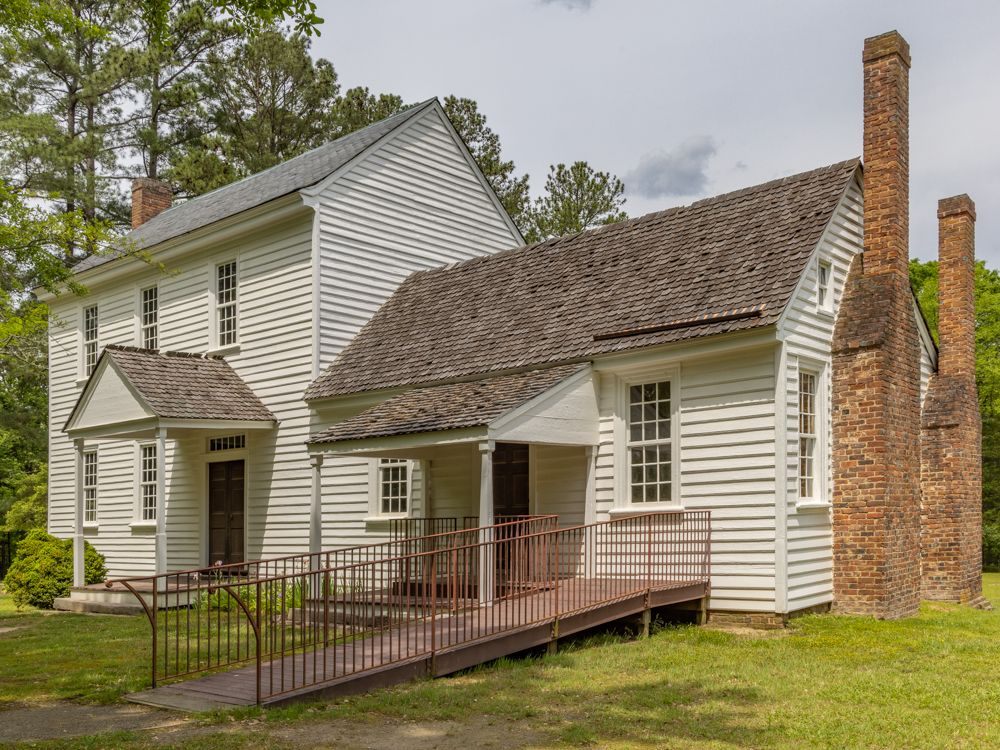
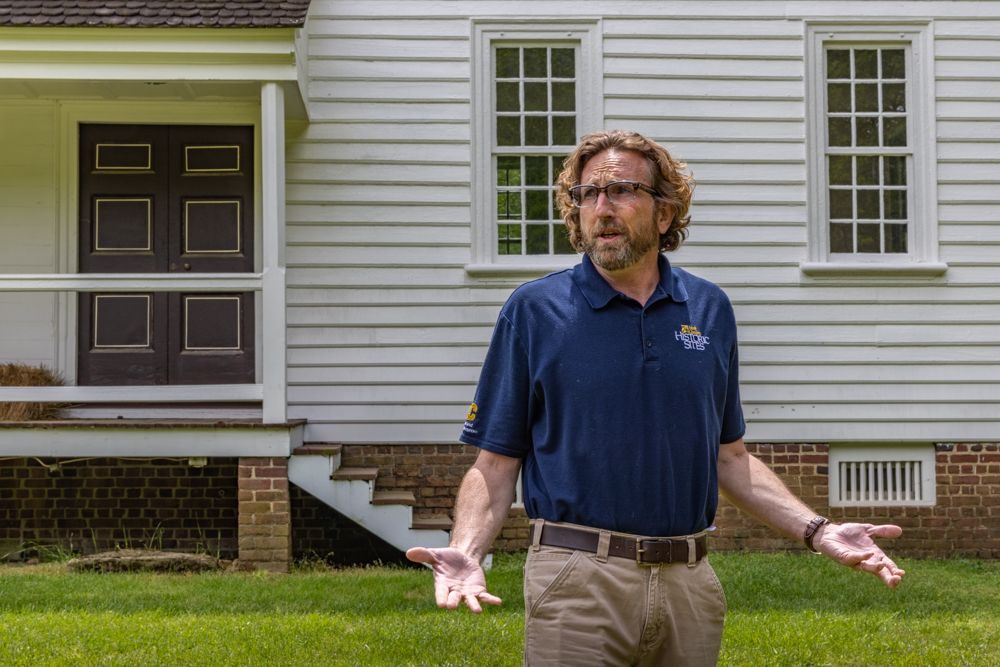
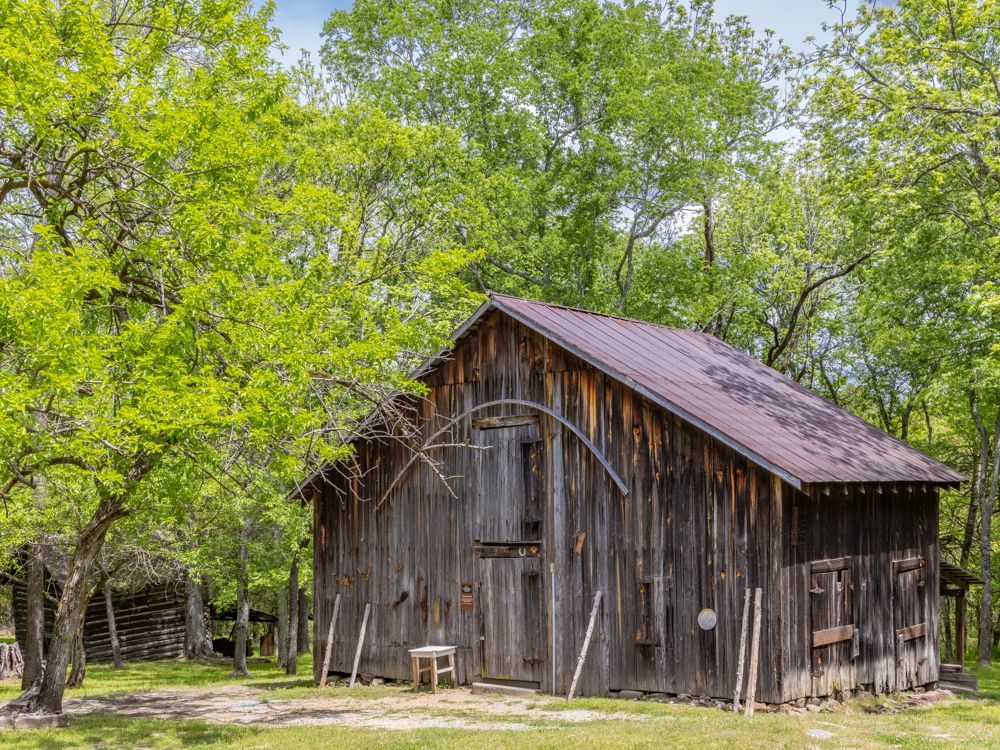
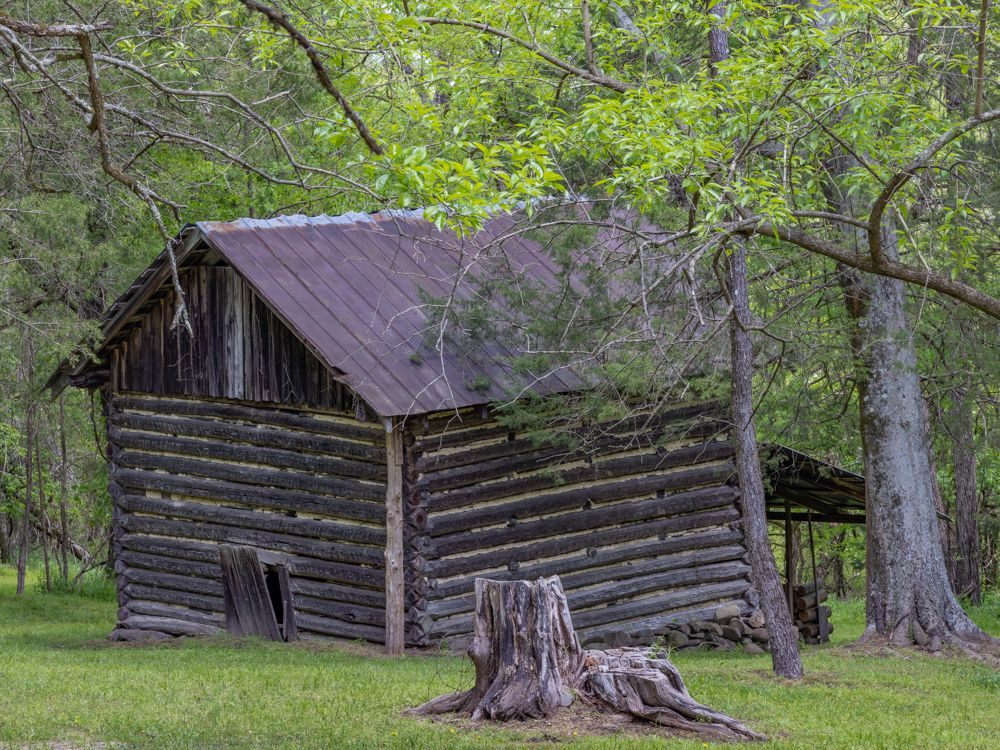
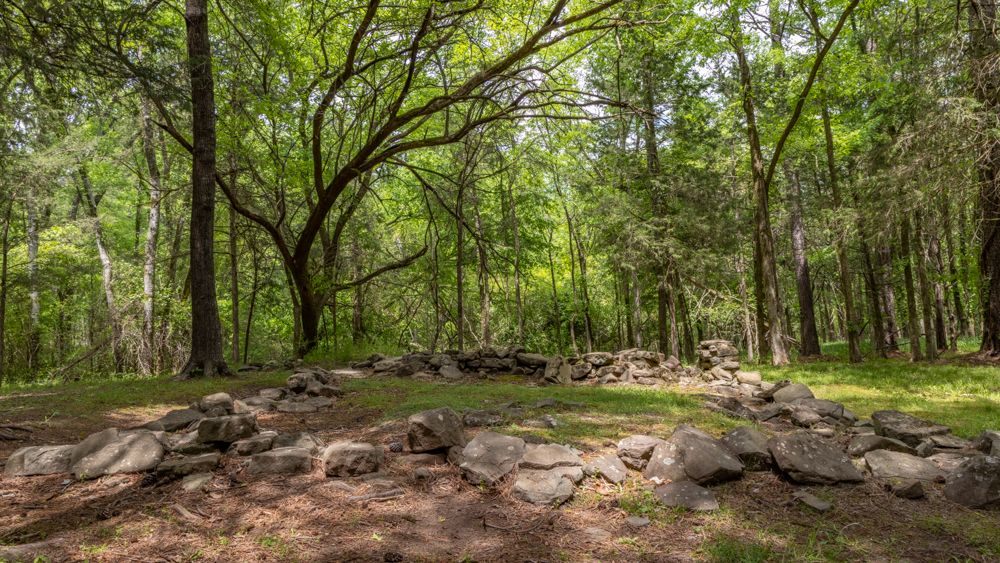
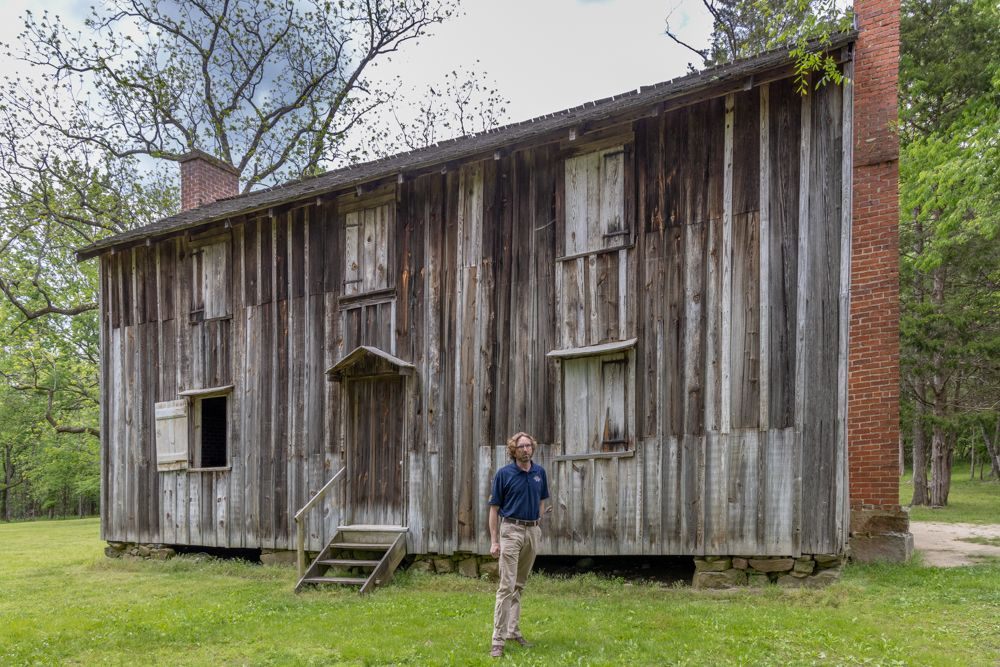
Today I drove out to the Raleigh-Durham area to visit Stagville Plantation . This was one of the largest plantations in North Carolina and is now a state historic site. The Bennehan-Cameron family owned approximately 30,000 acres of land, and claimed ownership over about 900 people who were enslaved on this property. Like the McCloud plantation I visited near Charleston, SC, the current custodians of this historic site focus on telling the story from the point of view of the enslaved persons. Bill was our docent and was both knowledgeable and compassionate.
One of the most important crops was Tobacco, in part due to the poor soil, which actually encouraged development of both nicotine and flavor in the leaves, and in part due to the innovative curing methods used. In 1976, Liggett and Meyers Tobacco Company , which had owned and worked the land for decades after purchasing it from the Bennehan-Cameron family, donated some of the acreage to the state of North Carolina, which now operates the property as Historic Stagville State Historic Site
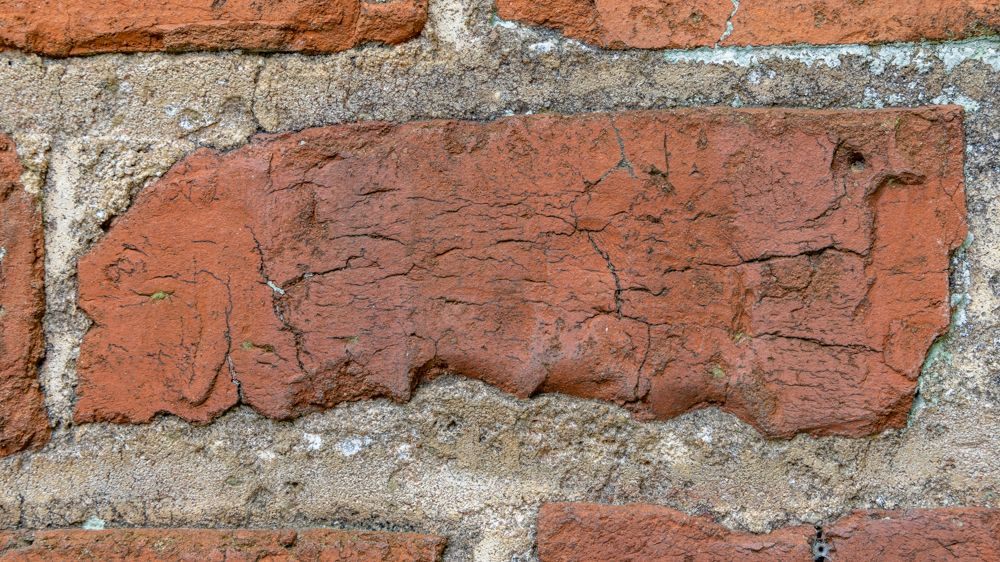
Another innovation on this particular property was the building of quarters for enslaved people lifted off the ground for air flow and the use of wood-framed bricks for insulation. This was to mitigate conditions that propagated disease. While this sounds like a benefit, the motivation as always was financial. Healthy workers are more productive. We also learned a lot about the daily lives and struggles of the enslaved people, as well as the horrors associated with share-cropping after emancipation.
Tomorrow I head to Asheville to join an Art Wolfe workshop in the Smokey mountains.
One of the most important crops was Tobacco, in part due to the poor soil, which actually encouraged development of both nicotine and flavor in the leaves, and in part due to the innovative curing methods used. In 1976, Liggett and Meyers Tobacco Company , which had owned and worked the land for decades after purchasing it from the Bennehan-Cameron family, donated some of the acreage to the state of North Carolina, which now operates the property as Historic Stagville State Historic Site
Another innovation on this particular property was the building of quarters for enslaved people lifted off the ground for air flow and the use of wood-framed bricks for insulation. This was to mitigate conditions that propagated disease. While this sounds like a benefit, the motivation as always was financial. Healthy workers are more productive. We also learned a lot about the daily lives and struggles of the enslaved people, as well as the horrors associated with share-cropping after emancipation.
Tomorrow I head to Asheville to join an Art Wolfe workshop in the Smokey mountains.

61 photo galleries
50 States
- Big Sur
- Salinas
- Laguna Beach
- San Diego
- California
- Grand Canyon
- Sedona
- Utah
- Syracuse
- Moab
- Denver
- Manitou Springs
- Calhan
- Mesa Verde
- Los Alamos
- Santa Fe
- Carlsbad
- New Mexico
- Eureka Springs
- Little Rock
- Birmingham
- Jackson
- Lottie
- Ten Thousand Islands
- Jerome
- Savannah
- White
- Asheville
- Sandstone Falls
- Baltimore
- Timonium
- Maryland
- Berlin
- Milton
- Smyrna
- Ocean City
- Detroit
- Upper Peninsula of Michigan
- Michigan
- Herod
- Ozark
- Two Harbors
- Carlton
- Madison County
- Oakley
- Valentine
- South Dakota
- United States
- Yellowstone National Park
- Lima
- Idaho
- Port Townsend
- Lincoln City
- Newport
- San Francisco