Providence to Natick
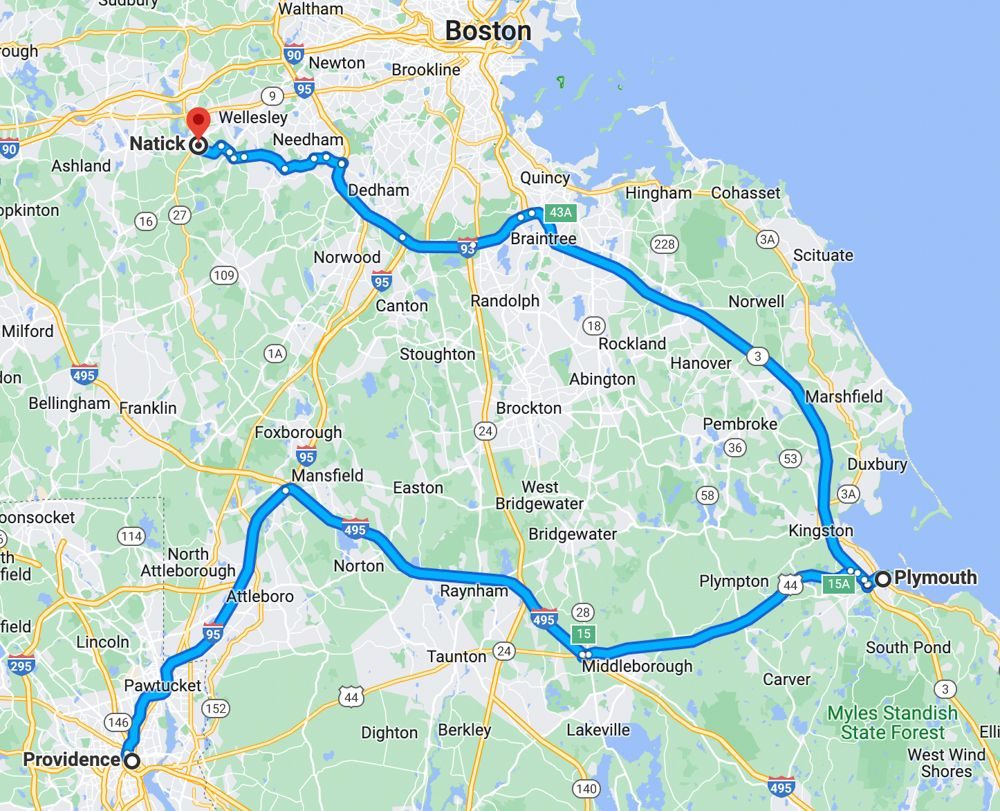
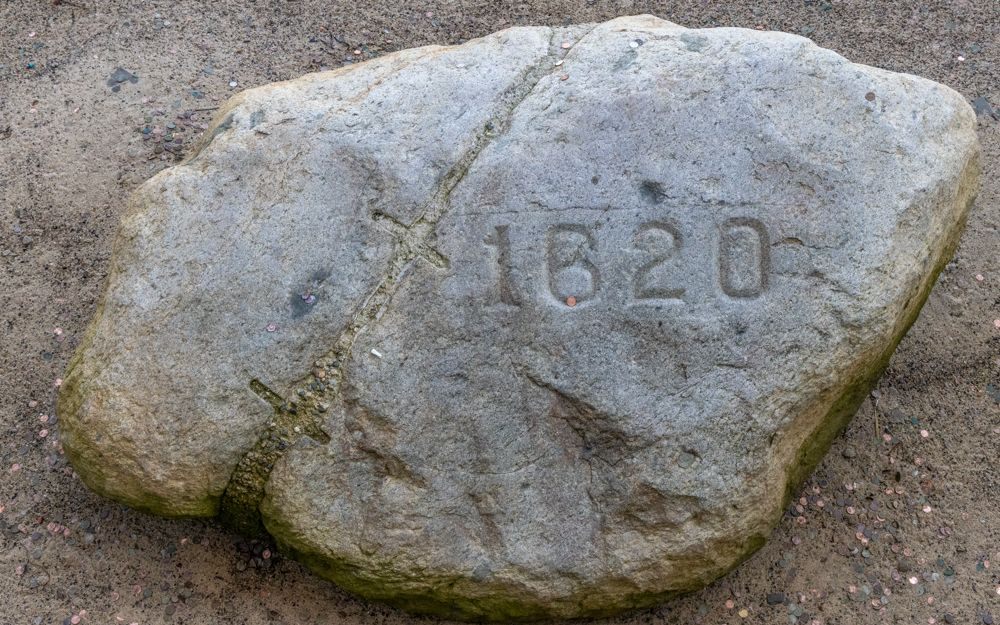
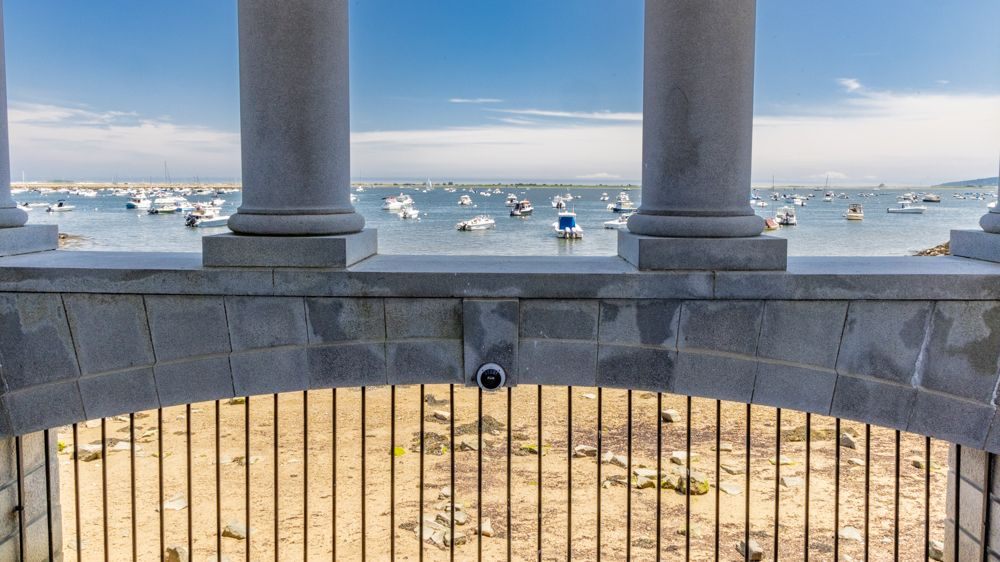
This morning I said goodbye to Rhode Island and drove North to Massachusetts. However because it would have been only an hour drive, and I have a lot to cover in MA, I made a detour to Plymouth.
As an aside, I spent 6 years in MA during the time I was in graduate school. However, for most of that time, I had my nose stuck in a Petri dish and I saw very little of the state. I certainly was not particularly interested in learning all of the important history that took place here. So it will be an interesting week from that perspective. I am staying at the house of my friend R. Unfortunately she is actually traveling elsewhere, so we won’t be meeting. But I am grateful for the week’s worth of lodging.
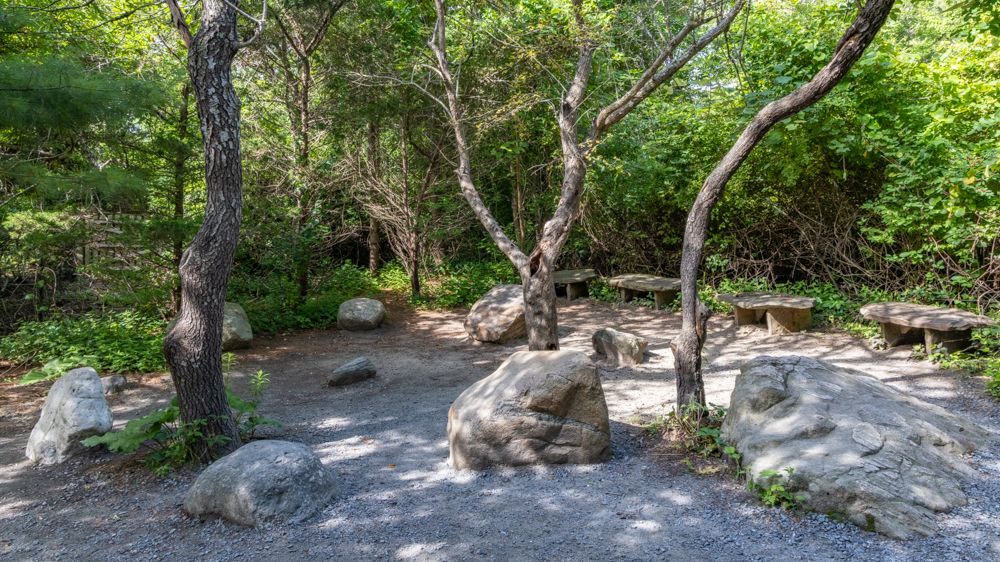
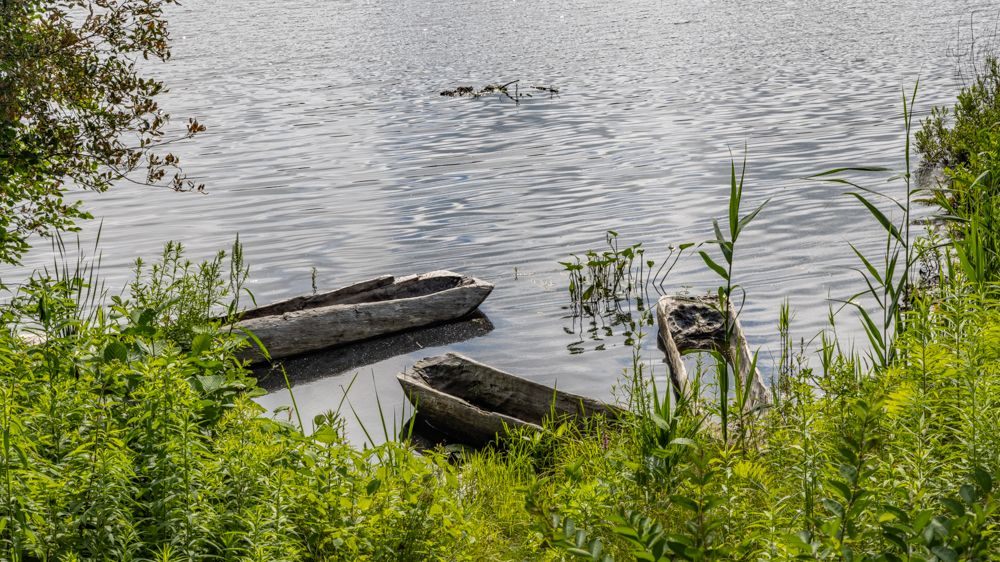
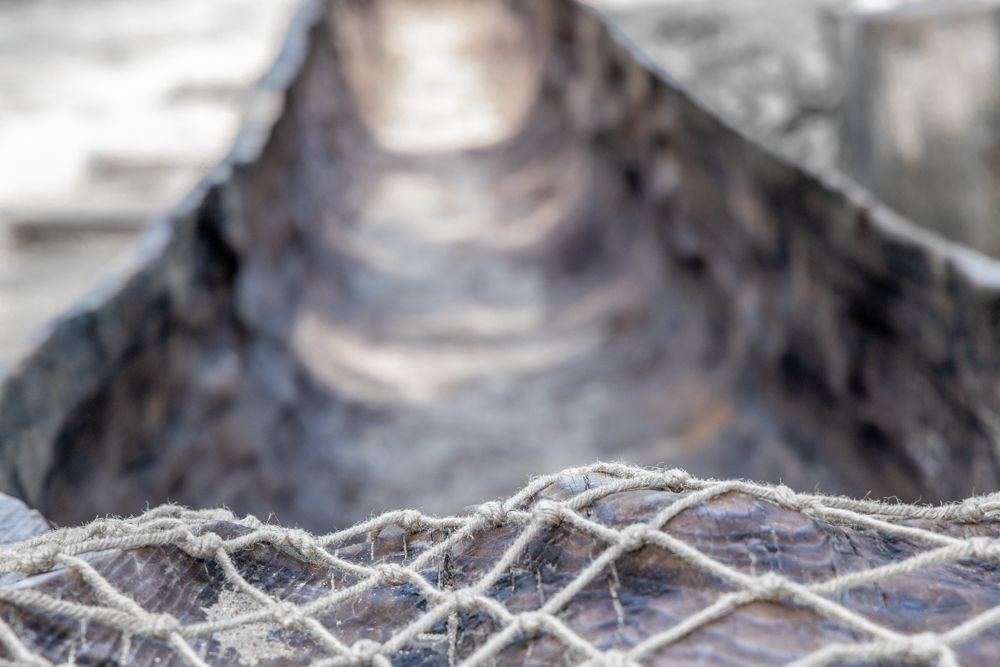
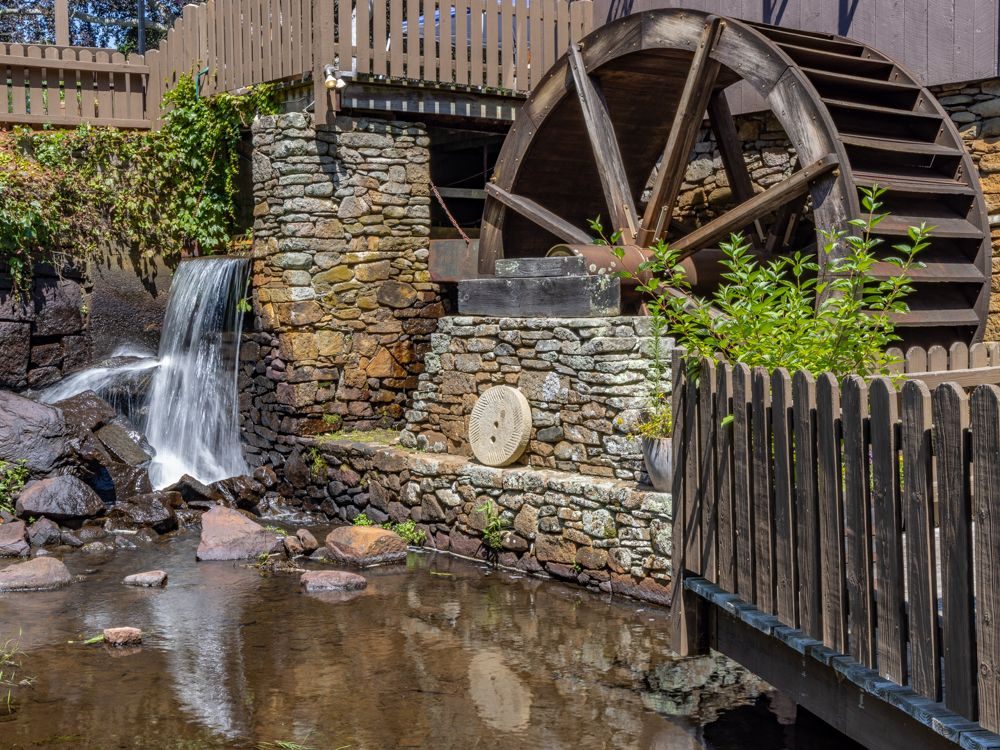
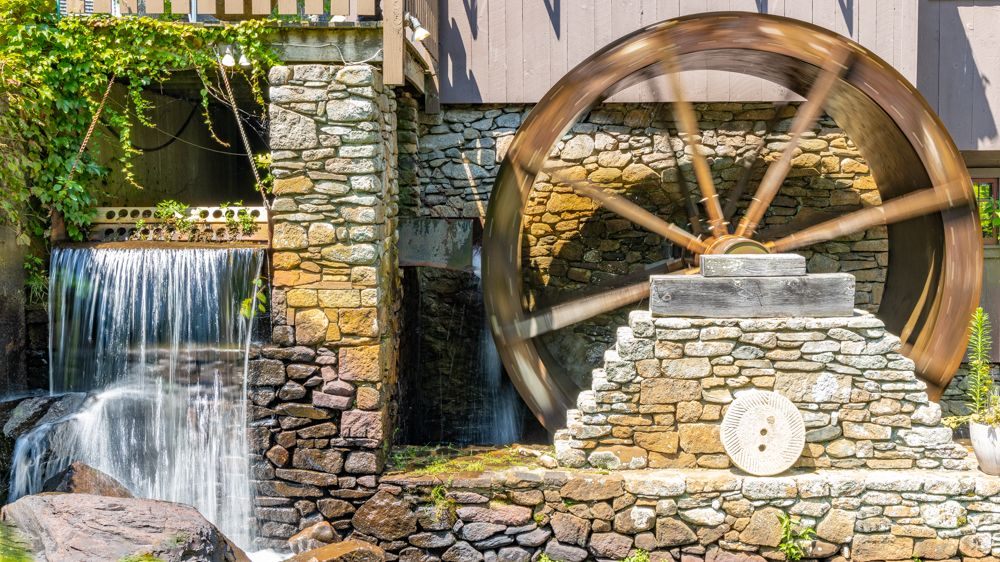
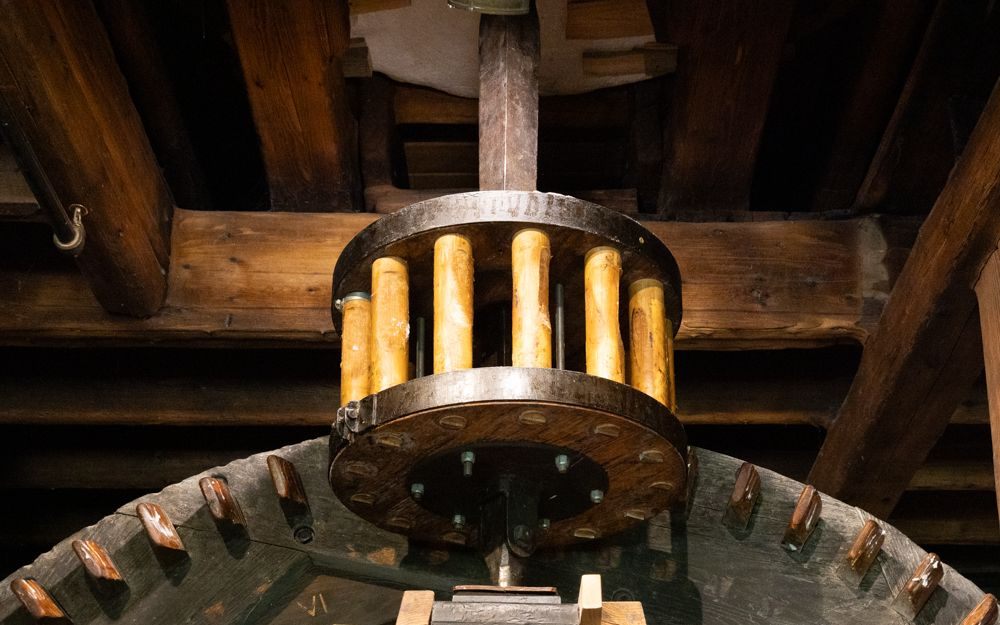
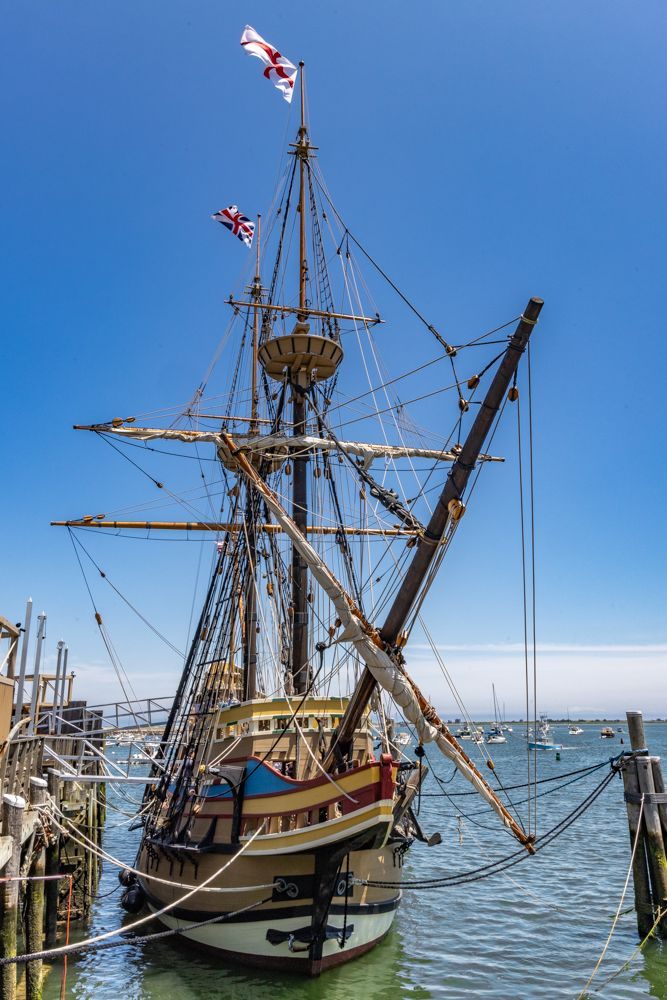
Back to Plymouth, the Plymouth-Patuxet museums is the usual combination of indoor and outdoor exhibits. The thing that I found most sad and frustrating is that, except for a few small artifacts, all of the structures and items were recreations. The Patuxet village and the Pilgrim village were both constructed from scratch based on best information. The Grist mill (which processed corn) had burned down - actually several times - and was also built from scratch. And the Mayflower II has that designation for a reason.
Nevertheless, the information was interesting. I did not realize that many of the families that sailed over on Mayflower came from the Dutch city of Leiden where they were living to escape religious persecution in England. One of the big points was that the passengers of the Mayflower were given a charter to settle land in Northern Virginia. Because they landed and decided to colonize Plymouth, they had to both agree on and negotiate a new “compact” and eventually obtain a new charter from England. Eventually the Plymouth colony was merged with the Massachusetts colony.
Pilgrim Hall was the only museum to house some original artifacts. And there was a special exhibit to highlight those items.
As always, the relationship between the European settlers and the indigenous people was fraught. The Wampanoag tribe comprised a number of communities. While the information presented in the various museums was a bit confusing and conflicted, it appears that the Pokanoket first lived in the area where the Mayflower pilgrims landed. The area itself was called Patuxet. Although, again, some displays refer to the Patuxet people. That first winter, both peoples experienced a great amount of illness and death, although the native tribes were disproportionately affected. Oddly, this shared misery bound them together and the discord found in other areas never developed. Of course, they famously shared a harvest meal sometime in the later summer/early Fall of that first year, that, mythically became the Thanksgiving holiday celebrated by the descendants of the settlers. It is no surprise that descendants of Native Tribes observe a day of mourning instead.
Tomorrow I plan to visit a revolutionary site and also meet with some other friends.
As an aside, I spent 6 years in MA during the time I was in graduate school. However, for most of that time, I had my nose stuck in a Petri dish and I saw very little of the state. I certainly was not particularly interested in learning all of the important history that took place here. So it will be an interesting week from that perspective. I am staying at the house of my friend R. Unfortunately she is actually traveling elsewhere, so we won’t be meeting. But I am grateful for the week’s worth of lodging.
Back to Plymouth, the Plymouth-Patuxet museums is the usual combination of indoor and outdoor exhibits. The thing that I found most sad and frustrating is that, except for a few small artifacts, all of the structures and items were recreations. The Patuxet village and the Pilgrim village were both constructed from scratch based on best information. The Grist mill (which processed corn) had burned down - actually several times - and was also built from scratch. And the Mayflower II has that designation for a reason.
Nevertheless, the information was interesting. I did not realize that many of the families that sailed over on Mayflower came from the Dutch city of Leiden where they were living to escape religious persecution in England. One of the big points was that the passengers of the Mayflower were given a charter to settle land in Northern Virginia. Because they landed and decided to colonize Plymouth, they had to both agree on and negotiate a new “compact” and eventually obtain a new charter from England. Eventually the Plymouth colony was merged with the Massachusetts colony.
Pilgrim Hall was the only museum to house some original artifacts. And there was a special exhibit to highlight those items.
As always, the relationship between the European settlers and the indigenous people was fraught. The Wampanoag tribe comprised a number of communities. While the information presented in the various museums was a bit confusing and conflicted, it appears that the Pokanoket first lived in the area where the Mayflower pilgrims landed. The area itself was called Patuxet. Although, again, some displays refer to the Patuxet people. That first winter, both peoples experienced a great amount of illness and death, although the native tribes were disproportionately affected. Oddly, this shared misery bound them together and the discord found in other areas never developed. Of course, they famously shared a harvest meal sometime in the later summer/early Fall of that first year, that, mythically became the Thanksgiving holiday celebrated by the descendants of the settlers. It is no surprise that descendants of Native Tribes observe a day of mourning instead.
Tomorrow I plan to visit a revolutionary site and also meet with some other friends.

61 photo galleries
50 States
- Big Sur
- Salinas
- Laguna Beach
- San Diego
- California
- Grand Canyon
- Sedona
- Utah
- Syracuse
- Moab
- Denver
- Manitou Springs
- Calhan
- Mesa Verde
- Los Alamos
- Santa Fe
- Carlsbad
- New Mexico
- Eureka Springs
- Little Rock
- Birmingham
- Jackson
- Lottie
- Ten Thousand Islands
- Jerome
- Savannah
- White
- Asheville
- Sandstone Falls
- Baltimore
- Timonium
- Maryland
- Berlin
- Milton
- Smyrna
- Ocean City
- Detroit
- Upper Peninsula of Michigan
- Michigan
- Herod
- Ozark
- Two Harbors
- Carlton
- Madison County
- Oakley
- Valentine
- South Dakota
- United States
- Yellowstone National Park
- Lima
- Idaho
- Port Townsend
- Lincoln City
- Newport
- San Francisco