Providence
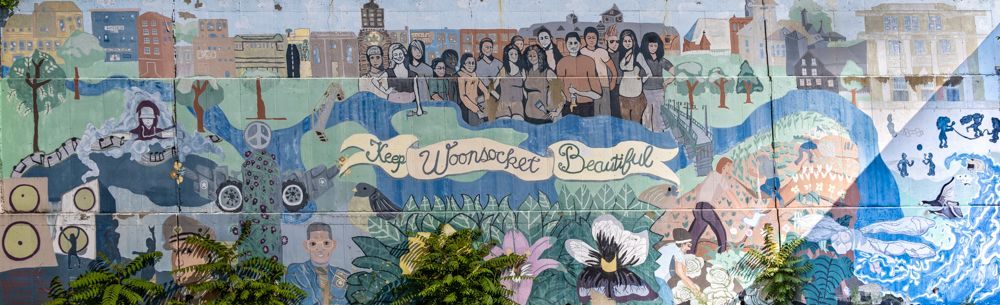
This morning I drove North to Woonsocket, almost to the MA border, to visit the Museum of Work and Culture . I was not really sure what I would find there, but it turned out to be a very enjoyable and informative visit.
Sue met me at check in and gave me the background spiel. I had no idea that Northern RI was an epicenter of the Industrial Revolution. It all starts with the Blackstone river - originally the Kittacuck - which originates in Worcester, MA. The indigenous Narragansett and Nipmuc peoples lived in this valley for thousands of years and its resources were central to their lives.
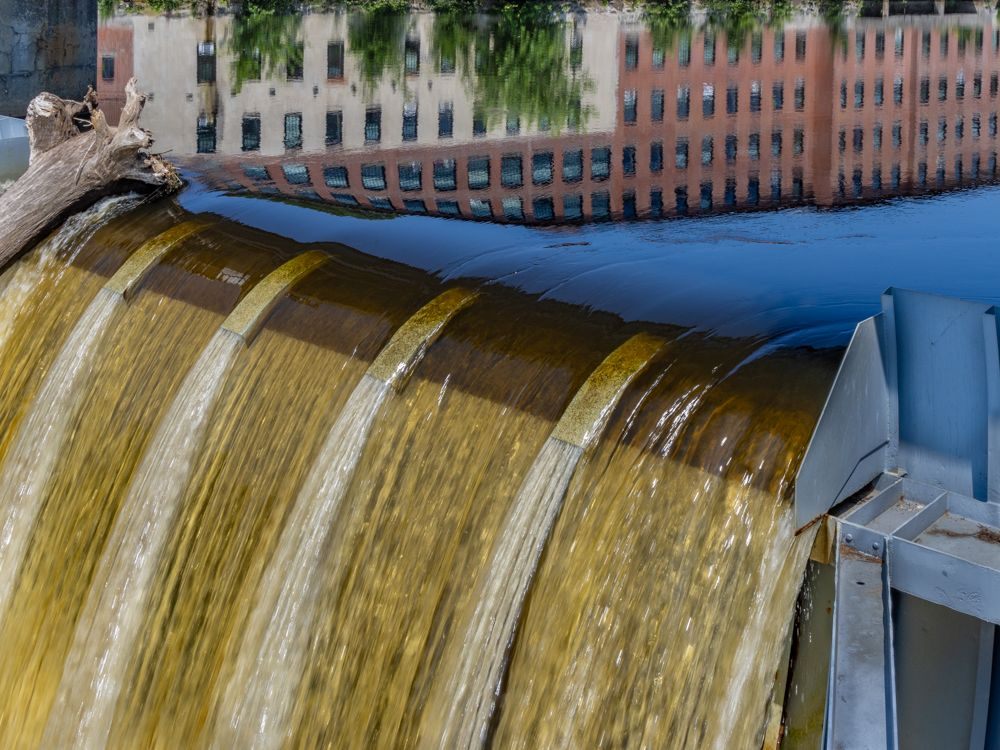
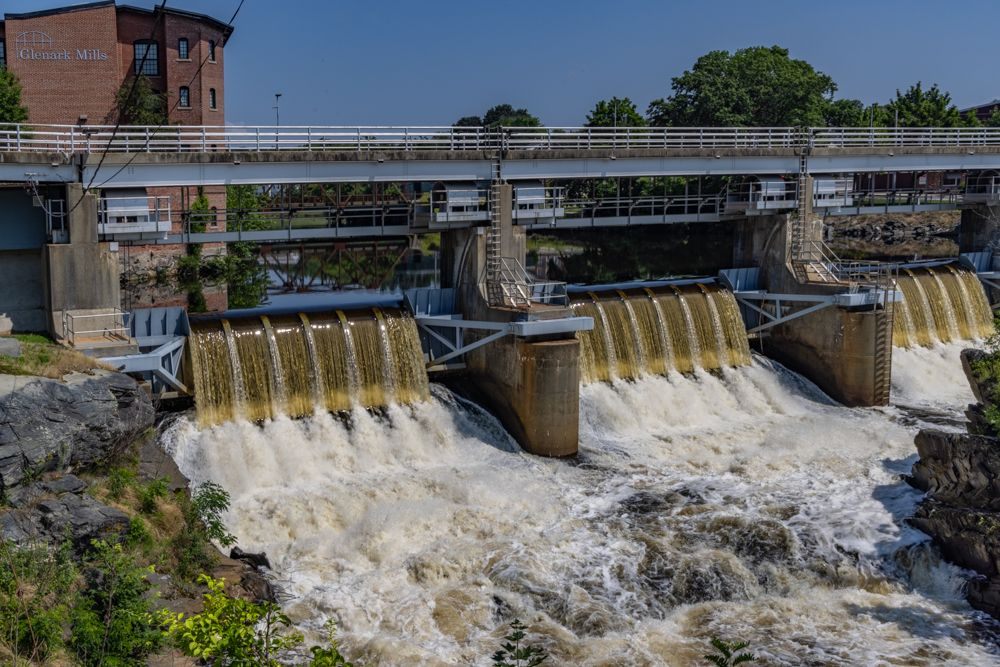
By the time the river waters arrive in Blackstone Valley (Woonsocket and Pawtucket), the 600 foot drop has accumulated an enormous amount of energy just waiting to be harnessed. Dams were built and used to power textile mills. Also in the Blackstone Valley, Samuel Slater invented the first successful water-powered cotton spinning mill at the Pawtucket Falls in 1790, thus providing the other component that jumpstarted America's industrial revolution.
The other piece of the puzzle in Woonsocket were the French Canadian (Acadian or Quebecois) immigrants who came in droves to work at the mills. In the 19th century, the population in Quebec was expanding rapidly, but fertile land was a fixed commodity. Mill workers were urgently needed in New England, and the farmers were lured South with promise of jobs. I was aware of the large Italian population in Providence, the result of a wave of immigration responding to the need for masons; however I was unaware of the French-Canadian story.
Unsurprisingly, tensions developed between the Quebecois immigrants (and eventually other immigrant communities from Europe and Eastern Europe) and the now generations-old American culture. Also, as is common in factories, woman received lower pay, and child labor was common. Because the job requirements were so diverse, it was difficult to organize into a coherent union to militate for higher wages and better working conditions.
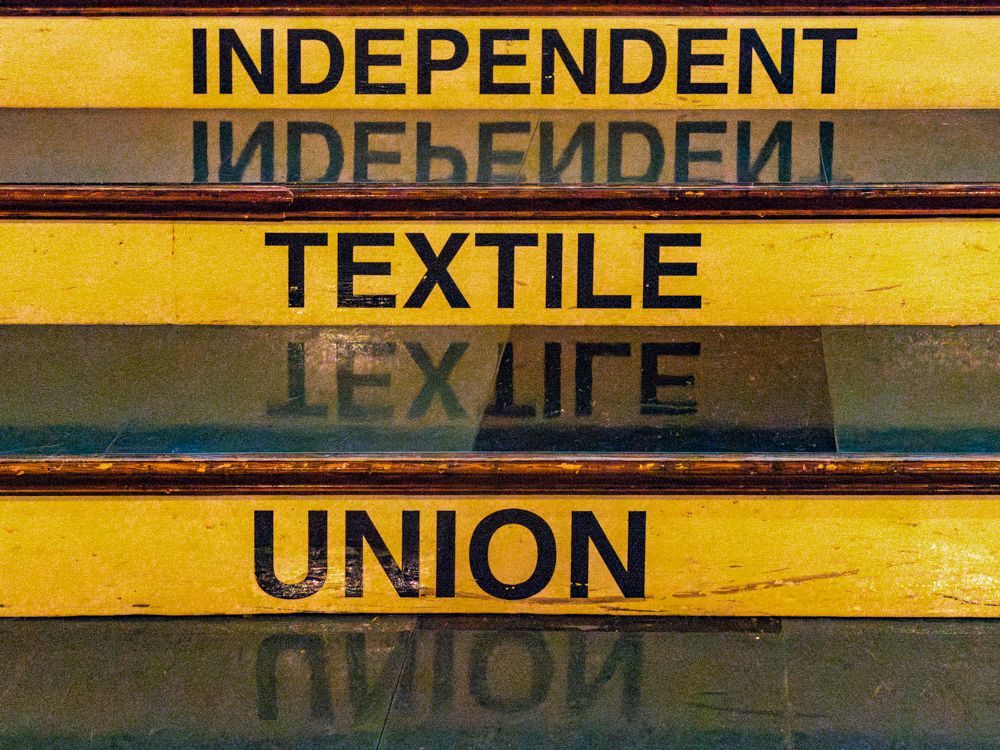
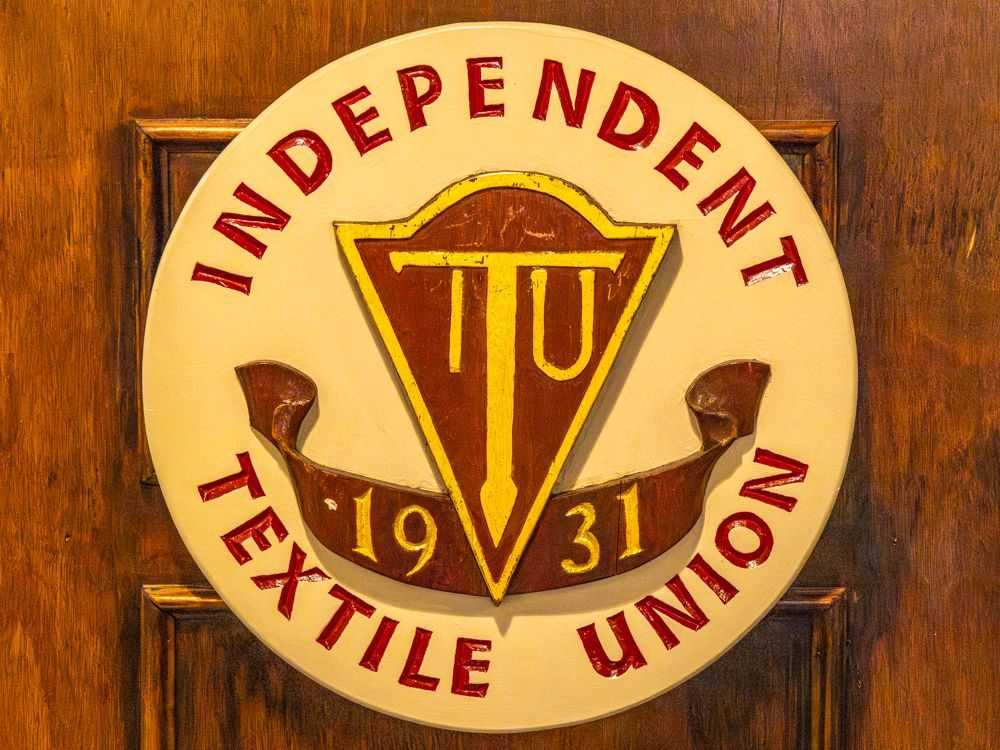
As competition from Southern mills increased, Blackstone Valley conditions deteriorated and the need for labor representation grew. Eventually skilled organizers were able to create the Independent Textile Union (ITU), which was able to successfully bargain for better conditions and many other opportunities. It was one of a number of labor organizations that were formed around that time in response to the types of working conditions that arose in connection with the Industrial Revolution. In time, the ITU became the most powerful political force in the city and changed its name to the Industrial Trades Union to reflect its broad constituency,
However, with the shift in focus from worker’s rights to civil rights in the 1950s, the ITU lost power and became less relevant. Eventually the textile mill industry completed its move South and all of the mills in New England were closed. Some were torn down and many others were repurposed. As such, there was no longer a need for local representation such as the ITU.
The museum also had a temporary exhibit that focused on the Jewish population and Jewish life in Woonsocket. Historically, Jews were frequently involved in the garment business, so it was a natural fit. While. Synagogue remains in the town, most of the Jews have moved elsewhere at this point.
I drove back from the Museum of Work and Culture, dropped my car at the hotel, and walked over to the Rhode Island School of Design Museum . In addition to being an excellent art museum, it provided a respite from the heat, which again reached about 90 degrees in the afternoon. The collection of student art was, not surprisingly, impressive. And their main collections were also wonderfully curated. As always, I was drawn to the European impressionists, and the RISD museum has collected some interesting pieces. They also had a few representative works of the Hudson River School, which I have come to appreciate during this trip.
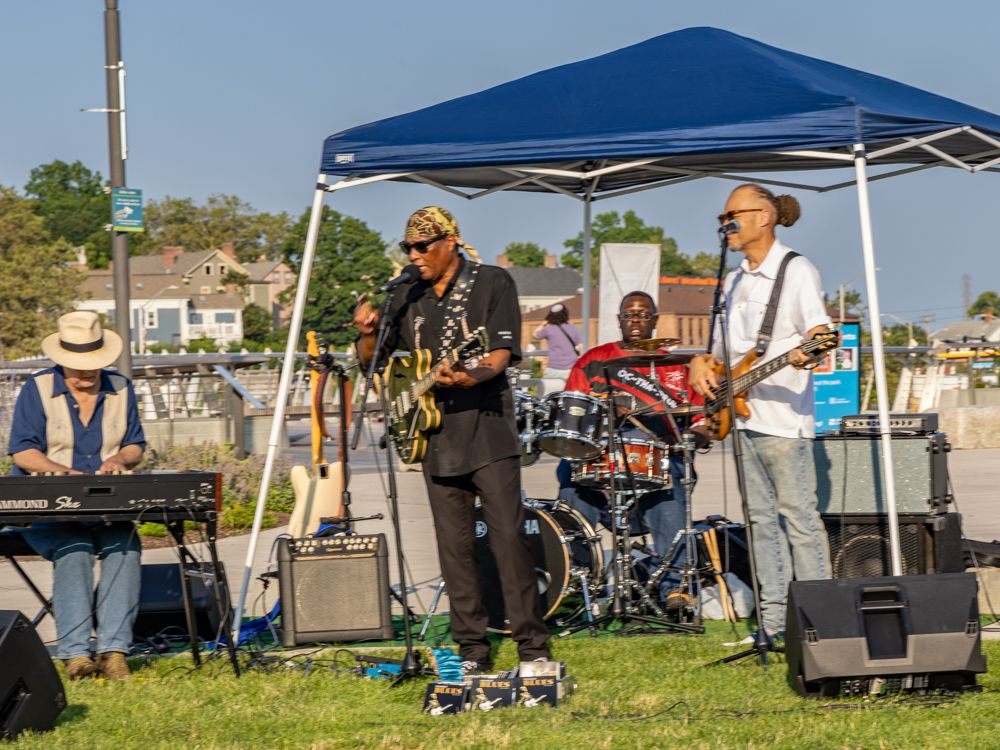
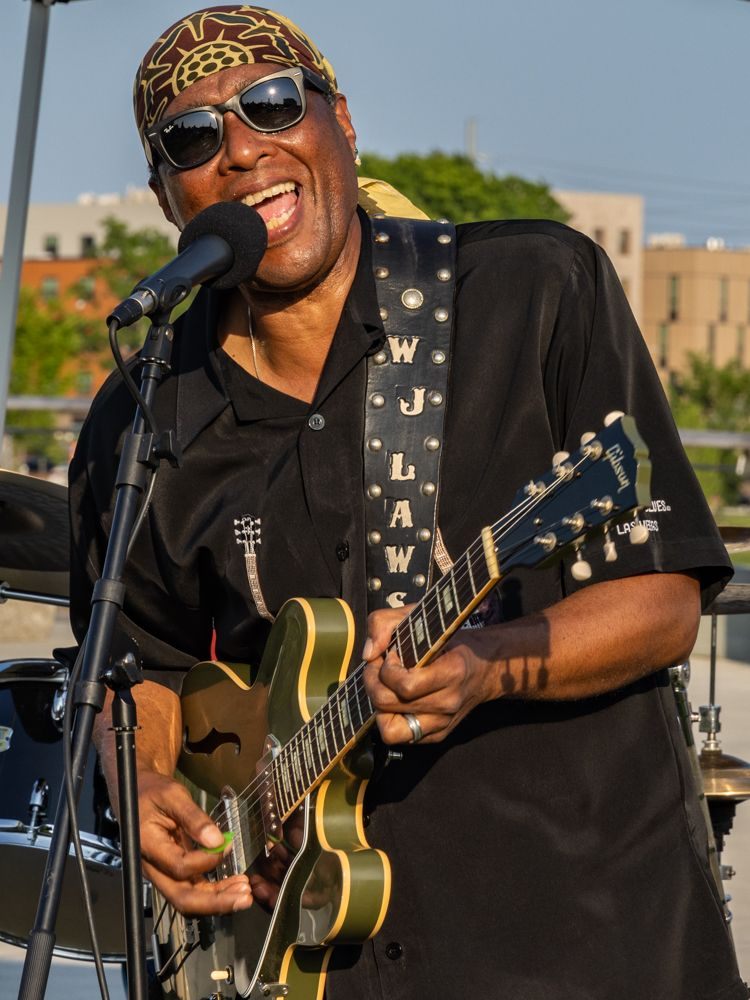
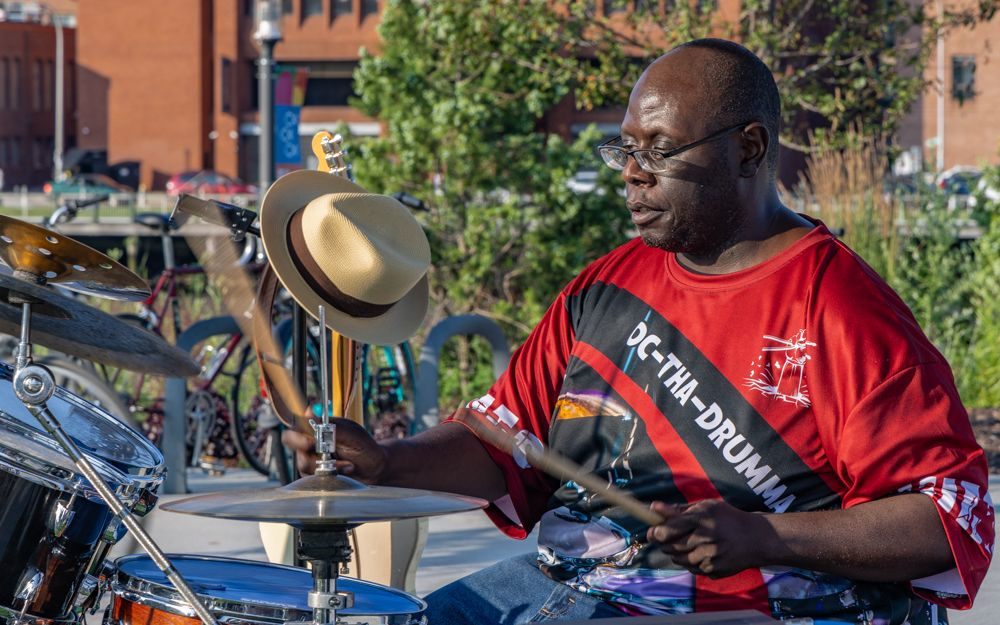
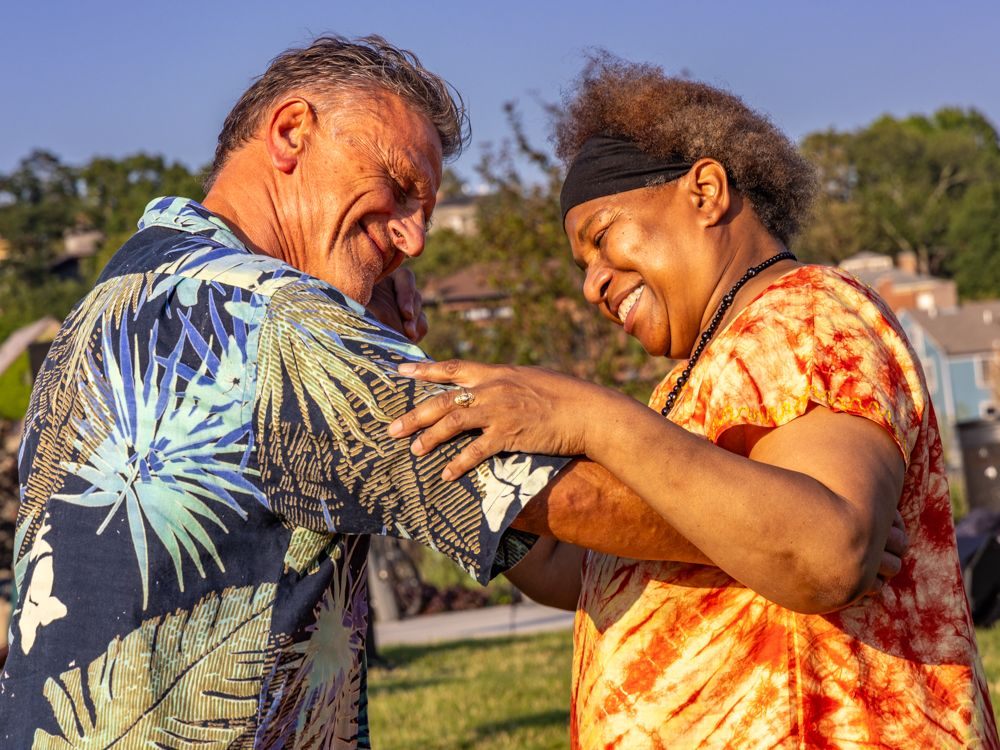
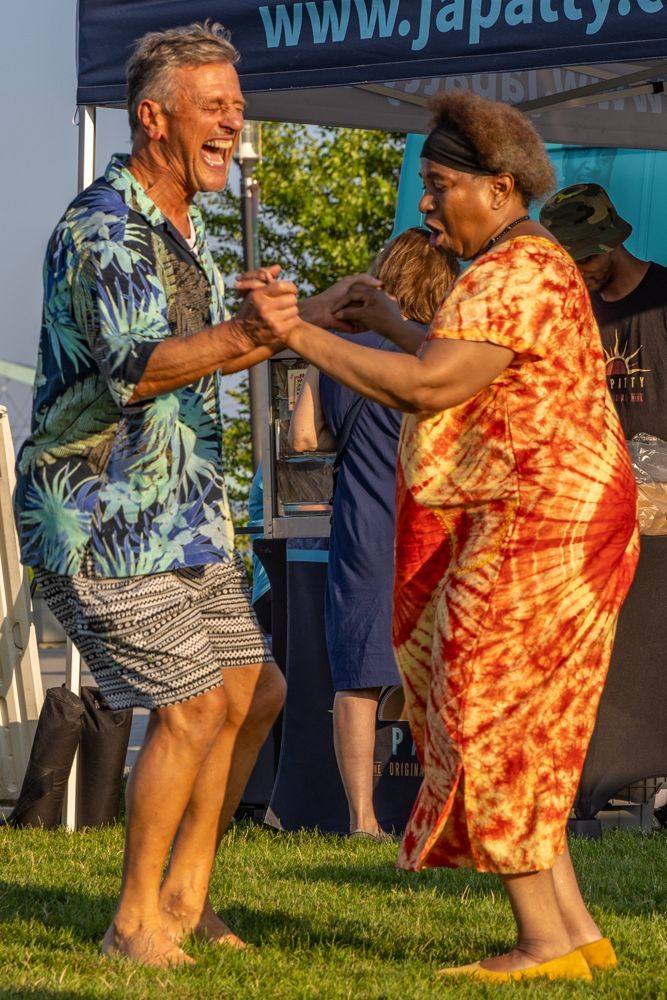
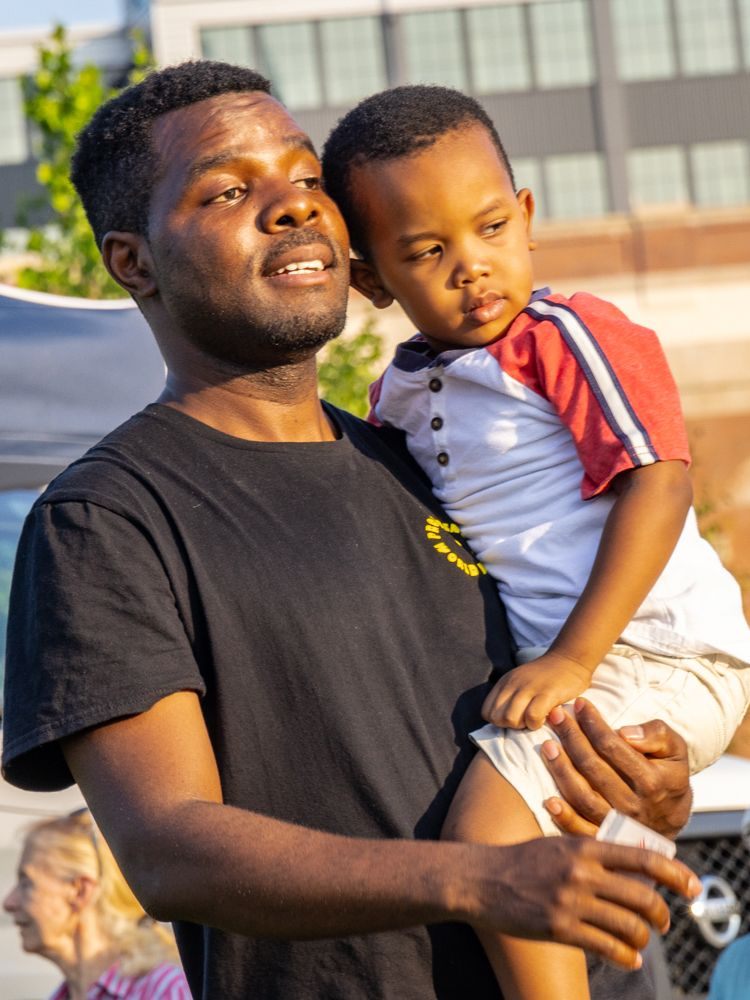
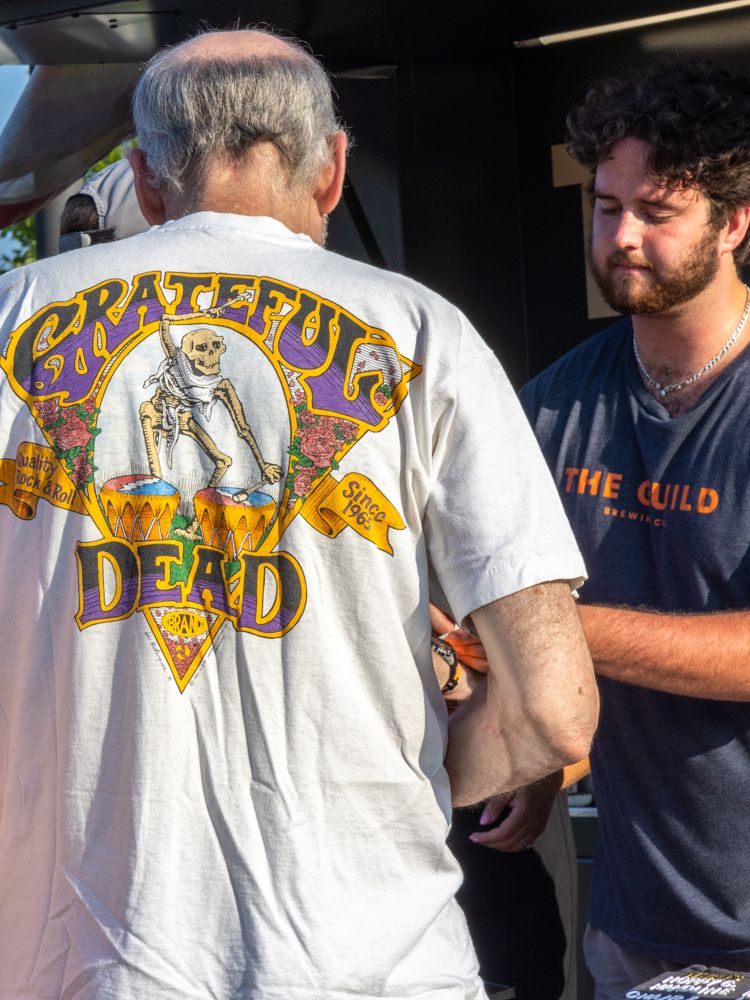
After a short break back at the hotel, I walked across the street to Providence Innovation District Park to hear some live music. The park hosts a beer garden each evening, but this evening, Willie J. Laws and his band were playing some righteous blues. It had cooled down a bit and a breeze had picked up, making it very pleasant to spend an hour in the park chilling out to wonderful music and talking to some of the people. Unfortunately I will miss waterfire, which is scheduled for tomorrow evening.
Tomorrow I will visit Slater Mill itself, which I expect to add to the story of the Industrial Revolution in the Blackstone Valley.
Sue met me at check in and gave me the background spiel. I had no idea that Northern RI was an epicenter of the Industrial Revolution. It all starts with the Blackstone river - originally the Kittacuck - which originates in Worcester, MA. The indigenous Narragansett and Nipmuc peoples lived in this valley for thousands of years and its resources were central to their lives.
By the time the river waters arrive in Blackstone Valley (Woonsocket and Pawtucket), the 600 foot drop has accumulated an enormous amount of energy just waiting to be harnessed. Dams were built and used to power textile mills. Also in the Blackstone Valley, Samuel Slater invented the first successful water-powered cotton spinning mill at the Pawtucket Falls in 1790, thus providing the other component that jumpstarted America's industrial revolution.
The other piece of the puzzle in Woonsocket were the French Canadian (Acadian or Quebecois) immigrants who came in droves to work at the mills. In the 19th century, the population in Quebec was expanding rapidly, but fertile land was a fixed commodity. Mill workers were urgently needed in New England, and the farmers were lured South with promise of jobs. I was aware of the large Italian population in Providence, the result of a wave of immigration responding to the need for masons; however I was unaware of the French-Canadian story.
Unsurprisingly, tensions developed between the Quebecois immigrants (and eventually other immigrant communities from Europe and Eastern Europe) and the now generations-old American culture. Also, as is common in factories, woman received lower pay, and child labor was common. Because the job requirements were so diverse, it was difficult to organize into a coherent union to militate for higher wages and better working conditions.
As competition from Southern mills increased, Blackstone Valley conditions deteriorated and the need for labor representation grew. Eventually skilled organizers were able to create the Independent Textile Union (ITU), which was able to successfully bargain for better conditions and many other opportunities. It was one of a number of labor organizations that were formed around that time in response to the types of working conditions that arose in connection with the Industrial Revolution. In time, the ITU became the most powerful political force in the city and changed its name to the Industrial Trades Union to reflect its broad constituency,
However, with the shift in focus from worker’s rights to civil rights in the 1950s, the ITU lost power and became less relevant. Eventually the textile mill industry completed its move South and all of the mills in New England were closed. Some were torn down and many others were repurposed. As such, there was no longer a need for local representation such as the ITU.
The museum also had a temporary exhibit that focused on the Jewish population and Jewish life in Woonsocket. Historically, Jews were frequently involved in the garment business, so it was a natural fit. While. Synagogue remains in the town, most of the Jews have moved elsewhere at this point.
I drove back from the Museum of Work and Culture, dropped my car at the hotel, and walked over to the Rhode Island School of Design Museum . In addition to being an excellent art museum, it provided a respite from the heat, which again reached about 90 degrees in the afternoon. The collection of student art was, not surprisingly, impressive. And their main collections were also wonderfully curated. As always, I was drawn to the European impressionists, and the RISD museum has collected some interesting pieces. They also had a few representative works of the Hudson River School, which I have come to appreciate during this trip.
After a short break back at the hotel, I walked across the street to Providence Innovation District Park to hear some live music. The park hosts a beer garden each evening, but this evening, Willie J. Laws and his band were playing some righteous blues. It had cooled down a bit and a breeze had picked up, making it very pleasant to spend an hour in the park chilling out to wonderful music and talking to some of the people. Unfortunately I will miss waterfire, which is scheduled for tomorrow evening.
Tomorrow I will visit Slater Mill itself, which I expect to add to the story of the Industrial Revolution in the Blackstone Valley.




61 photo galleries
50 States
- Big Sur
- Salinas
- Laguna Beach
- San Diego
- California
- Grand Canyon
- Sedona
- Utah
- Syracuse
- Moab
- Denver
- Manitou Springs
- Calhan
- Mesa Verde
- Los Alamos
- Santa Fe
- Carlsbad
- New Mexico
- Eureka Springs
- Little Rock
- Birmingham
- Jackson
- Lottie
- Ten Thousand Islands
- Jerome
- Savannah
- White
- Asheville
- Sandstone Falls
- Baltimore
- Timonium
- Maryland
- Berlin
- Milton
- Smyrna
- Ocean City
- Detroit
- Upper Peninsula of Michigan
- Michigan
- Herod
- Ozark
- Two Harbors
- Carlton
- Madison County
- Oakley
- Valentine
- South Dakota
- United States
- Yellowstone National Park
- Lima
- Idaho
- Port Townsend
- Lincoln City
- Newport
- San Francisco