Pittsburgh
I visited Pittsburgh about seven years ago for work. Even at that time I was impressed with how the city was reinventing itself. However, I now understand that the story is more complicated that it looks on the surface.
Pittsburgh has long been known as an industrial hub for coal mining and steel production . And because is located at the confluence of the Allegheny and Monongahela Rivers at the head of the Ohio River, it also provided a commercial link to the west . Of course, the steel production was spearheaded by Andrew Carnegie , who, with his introduction of the Bessemer steel making process, rose from obscurity to become the richest man in the world. With Henry Clay Frick, who made his fortune building and operating beehive coking ovens where coal was turned into coke, a necessary raw material in steel making, he formed Carnegie Steel Co. This company was eventually merged with several others to create United States Steel Corp.
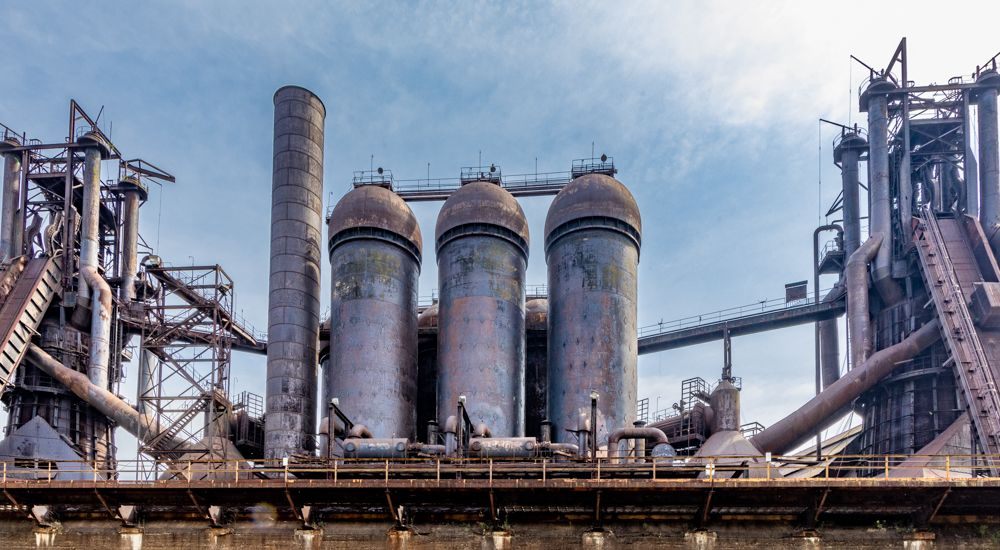
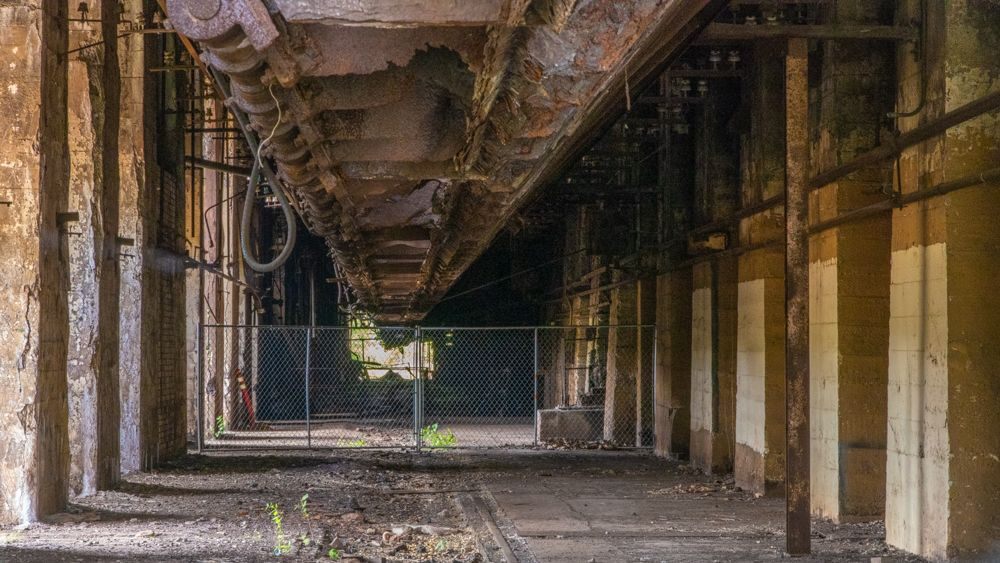
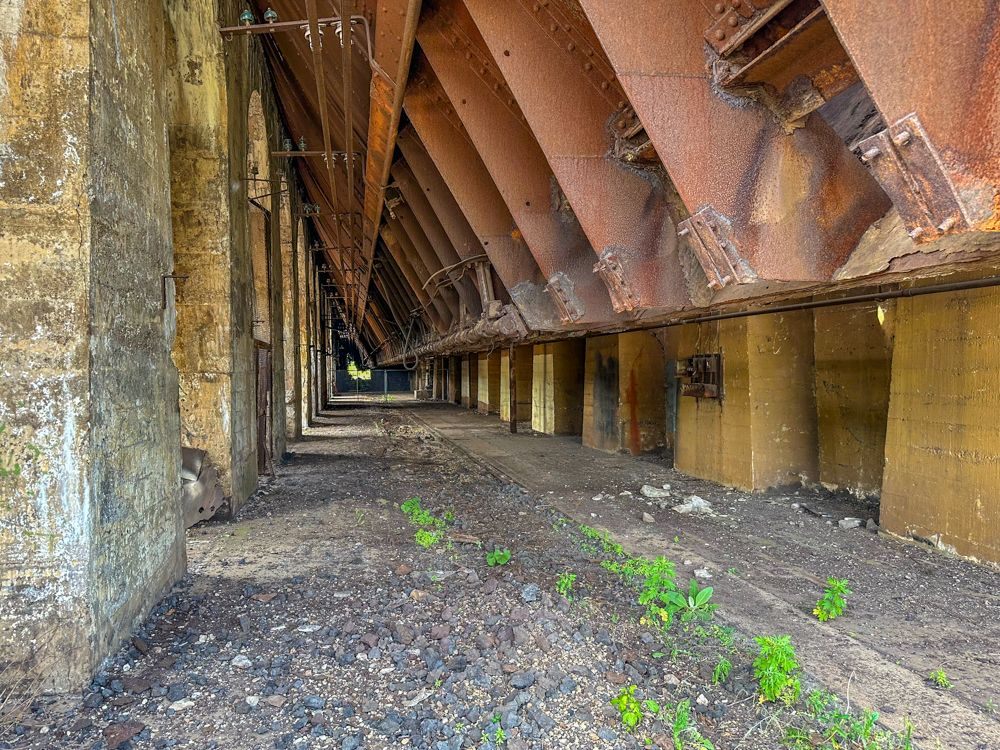
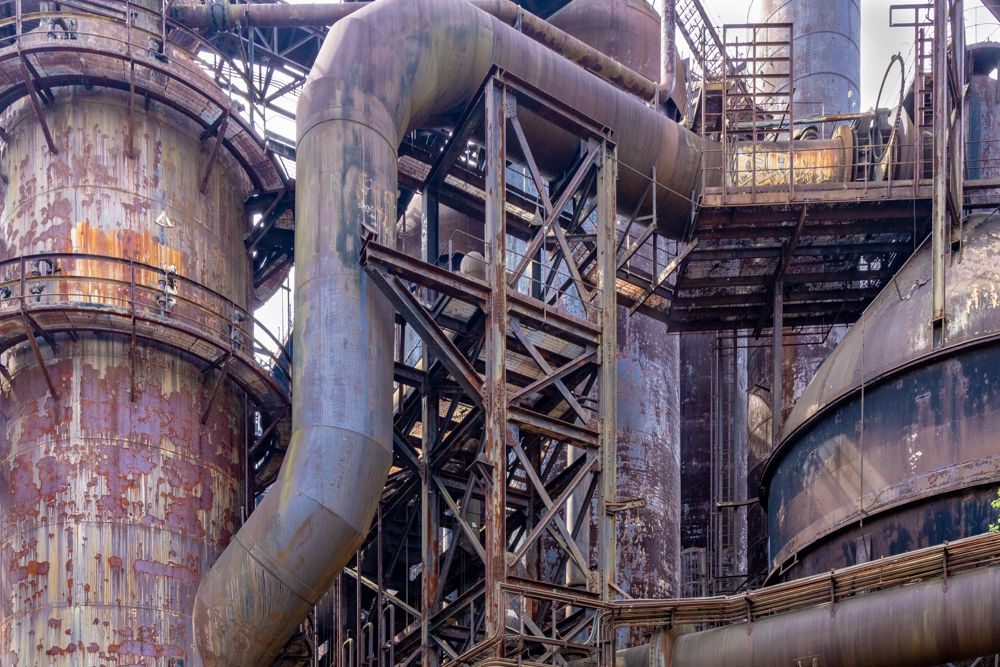
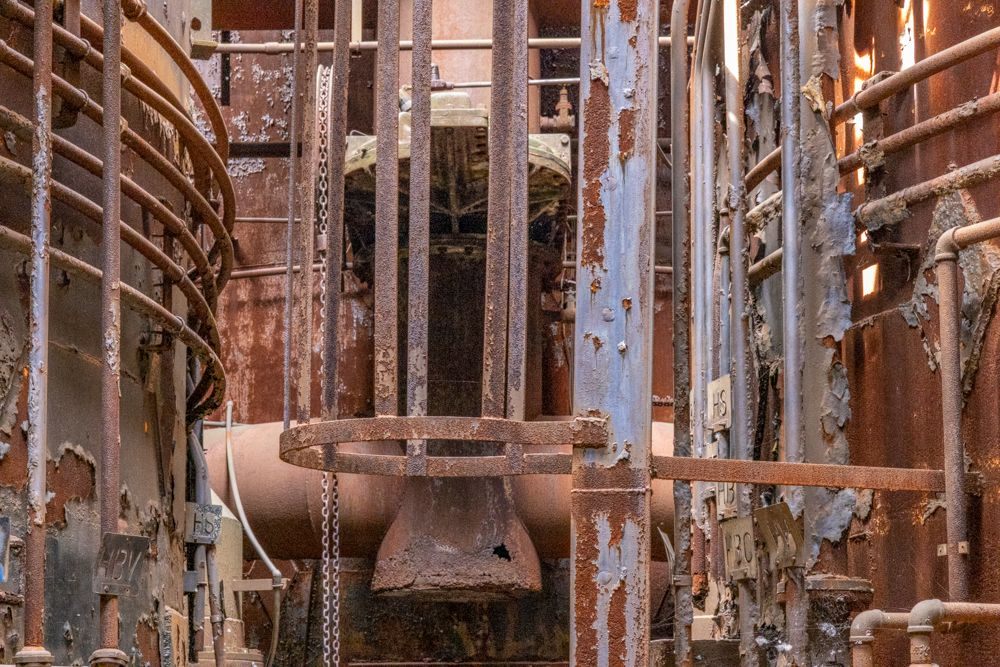
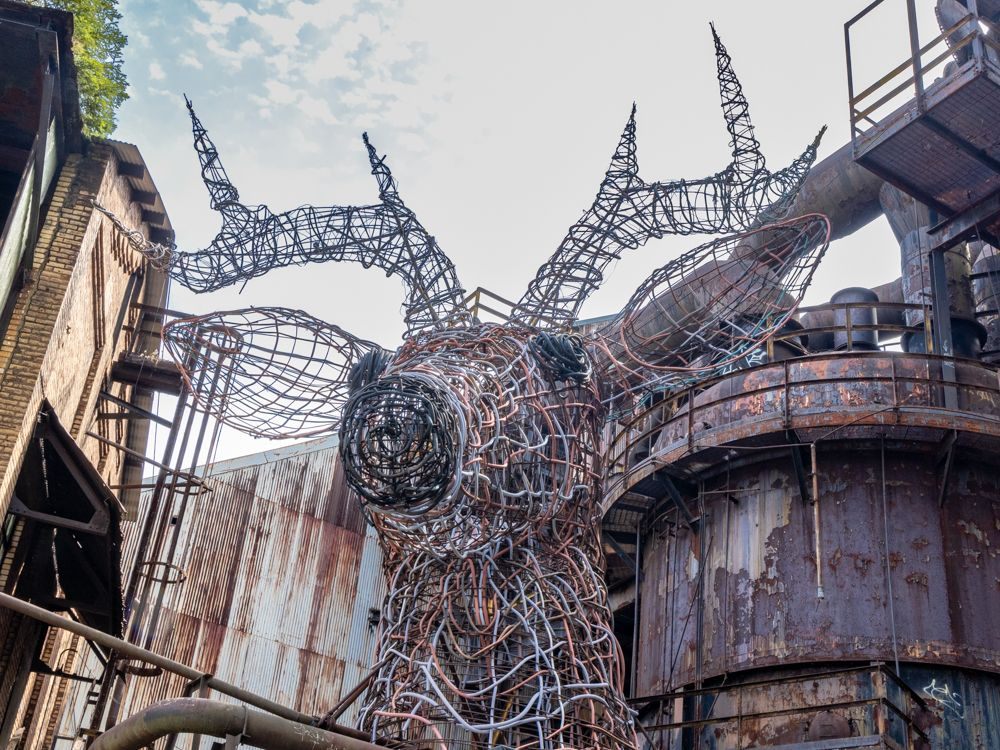
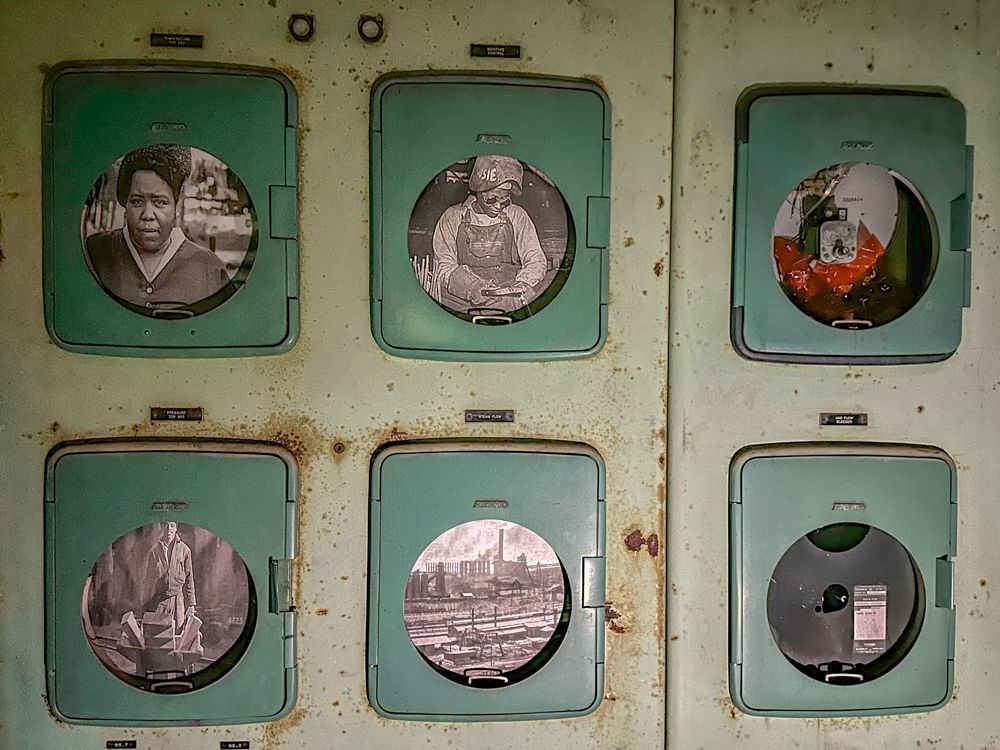
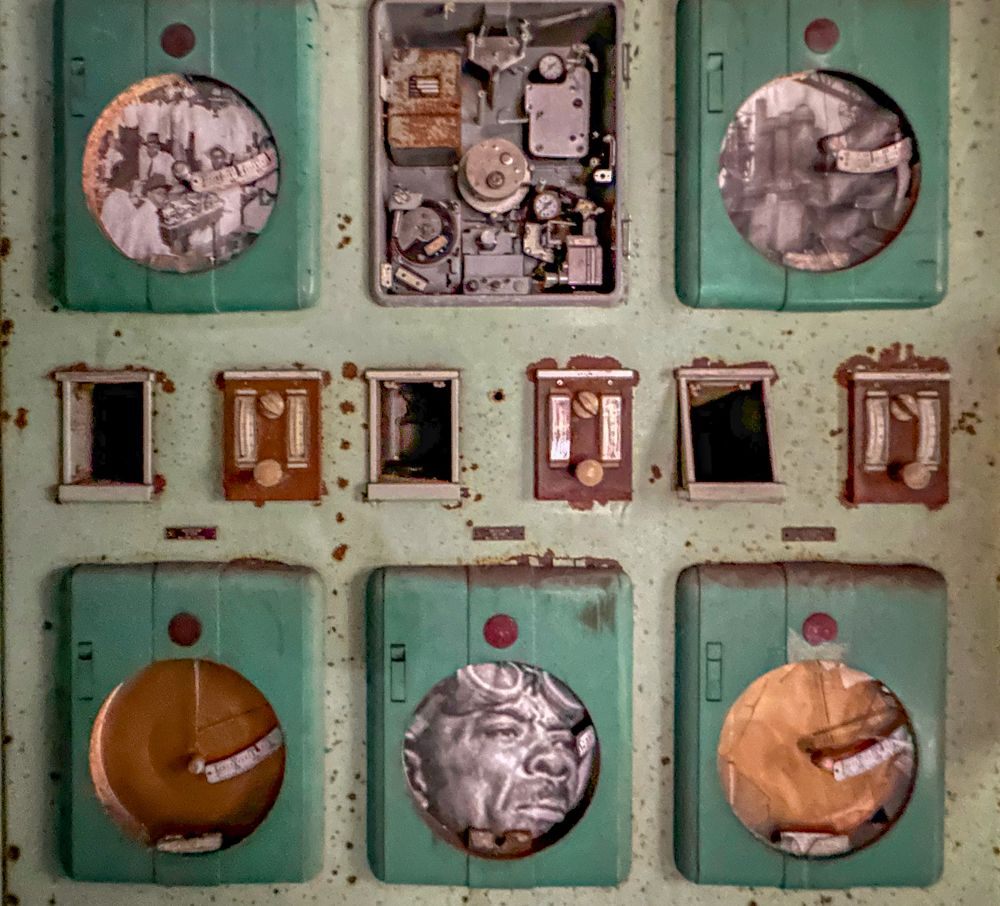
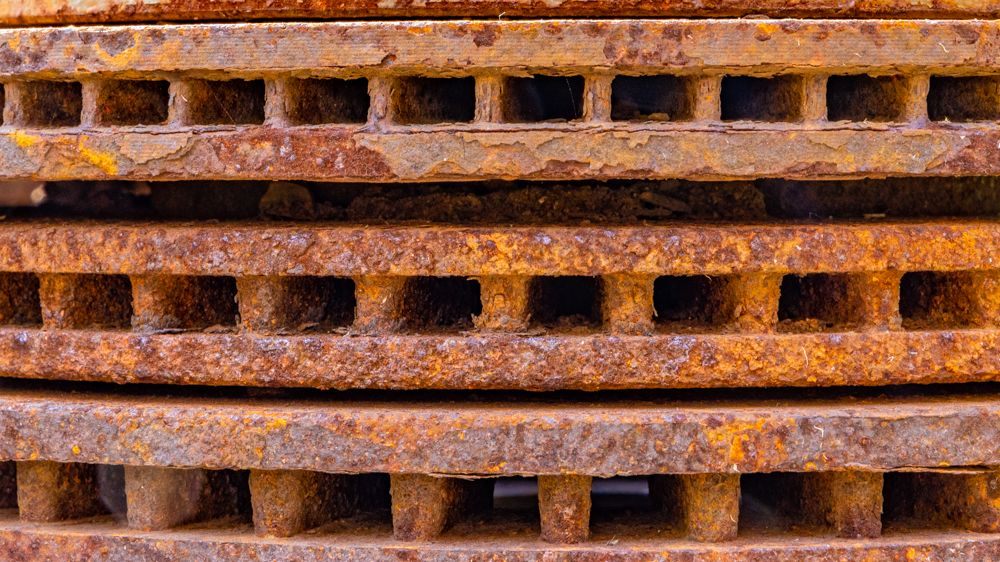
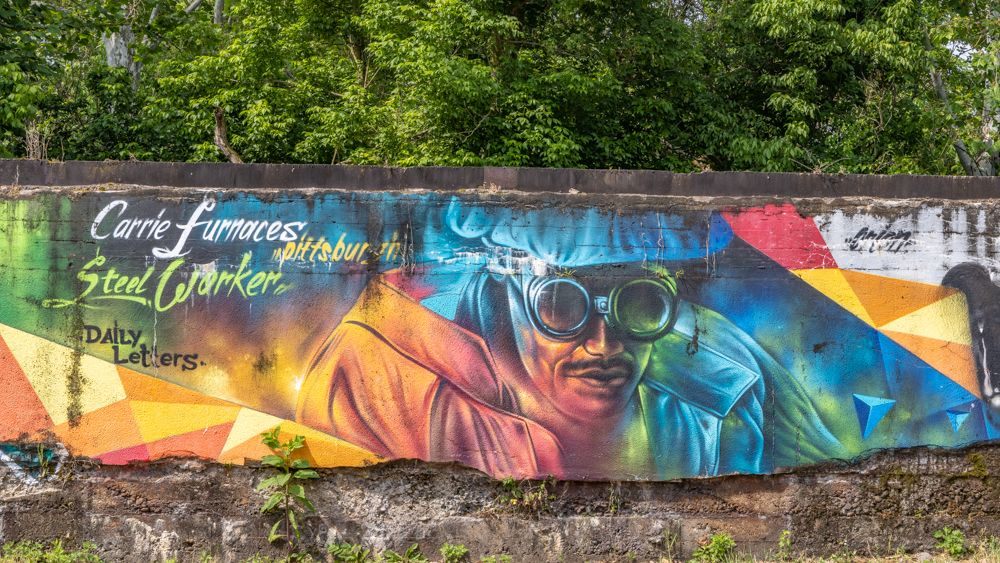
Fittingly, my first stop this morning was the Carrie Blast Furnaces National Historic Landmark . This site was built in 1884 and operated until 1982 . I was able to join a brand new tour highlighting the Black experience at the Furnaces. I thought this would be an interesting addition to all of the civil rights information I have accessed throughout this trip. The Carrie Blast Furnaces produced iron that was transported across the river to the Homestead Steel Mill to complete the production. The Blast Furnaces were, by far, the more difficult and dangerous environment. Unsurprisingly, a majority of those jobs were filled by African-American workers, many of them looking for better-paying and more stable work than share-cropping. The Homestead steel plant offered a safer environment (although still dangerous) and more opportunities for advancement; very few of these jobs were filled by African-American workers. In their quest for advancement, African-American workers would take opportunities as strike-breakers in the hopes of making some of those jobs permanent. Sometimes it worked; more often it did not.
A significant event occurred in 1892, when a dispute between Carnegie Steel and the Amalgamated Association of Iron and Steel Workers exploded into violence at the Homestead, plant. In what would be one of the deadliest labor-management conflicts in the nation’s history, about a dozen people were killed when striking workers attacked the 300 Pinkerton detectives hired by the plant’s management as security guards.
Both plants, along with many others in the U.S., were close in the 1970s and 1980s. This was, in large part, due to modernization and mechanization of the steel-making process. However, depending on where those closures occurred, they had different impacts on the displaced workers. In an urban environment, such as Pittsburgh, very few other opportunities existed for unskilled laborers. So the hard-fought gains that had resulted from steel mill jobs, dangerous as they were, were lost and entire neighborhoods fell into decline. Of course, this hit the African-American community hardest because they had depended on those jobs. Pittsburgh has worked hard to reinvent itself in general; I was unable to get any information about whether that reinvention extended to communities of color. Apparently a documentary, Struggles in Steel, captures much of this history. I have not yet had a chance to watch it, but it looks worthwhile. The novel, Blood on the Forge , was also recommended.
I did feel like it was difficult to get straight answers about why some steel plants closed and others did not. The U.S. still produces a large amount of steel , albeit in very different plants. Our guide suggested that the main impetus was simply economic, engendering difficult decisions. This view was roundly supported by a few in our group, one of whom insisted that it was because it was cheaper to outsource production overseas, and another who suggested that Reaganomics was to blame. Others were, like me, skeptical. Gabby and Amy were two of the Black members of our group and I had a frank and interesting conversation with Amy after the tour.
Because tomorrow is Monday, I had to fit all of my museum visits in today. This afternoon I first walked over to the Andy Warhol Museum . Warhol is a favorite son of Pittsburgh and the museum houses the largest collection of Warhol art and archives in the world. It comprises seven floors and both displays the art and tells the story of Warhol’s life and career. While I can appreciate the art from a historical and cultural perspective, it has never resonated with me on an emotional level. This visit did not change that. Still, it was a worthwhile visit. I was amused that Warhol had been informally commissioned to make a “portrait” of Trump tower, but ultimately the Trumps declined to purchase the piece. That Warhol was not happy with is apparently a vast understatement.
I then walked over to The Mattress Factory , a contemporary art museum that is aggressively avant-garde. It is a big deal here in Pittsburgh, and apparently recognized internationally. I appreciate that it supports artists and allows them to express themselves and share the results. Like many of these spaces, it seems more about the artist than the viewer. Most of it I honestly just didn’t get. As an example, one of the exhibits comprised three rooms, one with a red cube of light, one with a purple square of light, and one I cold not access because the next admission was more than an hour from the time I was visiting. The demographic of other visitors was decidedly different than mine, so maybe that is another factor.
After that, I walked back to my hotel, just barely dodging the raindrops. Rain is predicted tomorrow, so I will have to see what activities are possible.
Pittsburgh has long been known as an industrial hub for coal mining and steel production . And because is located at the confluence of the Allegheny and Monongahela Rivers at the head of the Ohio River, it also provided a commercial link to the west . Of course, the steel production was spearheaded by Andrew Carnegie , who, with his introduction of the Bessemer steel making process, rose from obscurity to become the richest man in the world. With Henry Clay Frick, who made his fortune building and operating beehive coking ovens where coal was turned into coke, a necessary raw material in steel making, he formed Carnegie Steel Co. This company was eventually merged with several others to create United States Steel Corp.
Fittingly, my first stop this morning was the Carrie Blast Furnaces National Historic Landmark . This site was built in 1884 and operated until 1982 . I was able to join a brand new tour highlighting the Black experience at the Furnaces. I thought this would be an interesting addition to all of the civil rights information I have accessed throughout this trip. The Carrie Blast Furnaces produced iron that was transported across the river to the Homestead Steel Mill to complete the production. The Blast Furnaces were, by far, the more difficult and dangerous environment. Unsurprisingly, a majority of those jobs were filled by African-American workers, many of them looking for better-paying and more stable work than share-cropping. The Homestead steel plant offered a safer environment (although still dangerous) and more opportunities for advancement; very few of these jobs were filled by African-American workers. In their quest for advancement, African-American workers would take opportunities as strike-breakers in the hopes of making some of those jobs permanent. Sometimes it worked; more often it did not.
A significant event occurred in 1892, when a dispute between Carnegie Steel and the Amalgamated Association of Iron and Steel Workers exploded into violence at the Homestead, plant. In what would be one of the deadliest labor-management conflicts in the nation’s history, about a dozen people were killed when striking workers attacked the 300 Pinkerton detectives hired by the plant’s management as security guards.
Both plants, along with many others in the U.S., were close in the 1970s and 1980s. This was, in large part, due to modernization and mechanization of the steel-making process. However, depending on where those closures occurred, they had different impacts on the displaced workers. In an urban environment, such as Pittsburgh, very few other opportunities existed for unskilled laborers. So the hard-fought gains that had resulted from steel mill jobs, dangerous as they were, were lost and entire neighborhoods fell into decline. Of course, this hit the African-American community hardest because they had depended on those jobs. Pittsburgh has worked hard to reinvent itself in general; I was unable to get any information about whether that reinvention extended to communities of color. Apparently a documentary, Struggles in Steel, captures much of this history. I have not yet had a chance to watch it, but it looks worthwhile. The novel, Blood on the Forge , was also recommended.
I did feel like it was difficult to get straight answers about why some steel plants closed and others did not. The U.S. still produces a large amount of steel , albeit in very different plants. Our guide suggested that the main impetus was simply economic, engendering difficult decisions. This view was roundly supported by a few in our group, one of whom insisted that it was because it was cheaper to outsource production overseas, and another who suggested that Reaganomics was to blame. Others were, like me, skeptical. Gabby and Amy were two of the Black members of our group and I had a frank and interesting conversation with Amy after the tour.
Because tomorrow is Monday, I had to fit all of my museum visits in today. This afternoon I first walked over to the Andy Warhol Museum . Warhol is a favorite son of Pittsburgh and the museum houses the largest collection of Warhol art and archives in the world. It comprises seven floors and both displays the art and tells the story of Warhol’s life and career. While I can appreciate the art from a historical and cultural perspective, it has never resonated with me on an emotional level. This visit did not change that. Still, it was a worthwhile visit. I was amused that Warhol had been informally commissioned to make a “portrait” of Trump tower, but ultimately the Trumps declined to purchase the piece. That Warhol was not happy with is apparently a vast understatement.
I then walked over to The Mattress Factory , a contemporary art museum that is aggressively avant-garde. It is a big deal here in Pittsburgh, and apparently recognized internationally. I appreciate that it supports artists and allows them to express themselves and share the results. Like many of these spaces, it seems more about the artist than the viewer. Most of it I honestly just didn’t get. As an example, one of the exhibits comprised three rooms, one with a red cube of light, one with a purple square of light, and one I cold not access because the next admission was more than an hour from the time I was visiting. The demographic of other visitors was decidedly different than mine, so maybe that is another factor.
After that, I walked back to my hotel, just barely dodging the raindrops. Rain is predicted tomorrow, so I will have to see what activities are possible.


61 photo galleries
50 States
- Big Sur
- Salinas
- Laguna Beach
- San Diego
- California
- Grand Canyon
- Sedona
- Utah
- Syracuse
- Moab
- Denver
- Manitou Springs
- Calhan
- Mesa Verde
- Los Alamos
- Santa Fe
- Carlsbad
- New Mexico
- Eureka Springs
- Little Rock
- Birmingham
- Jackson
- Lottie
- Ten Thousand Islands
- Jerome
- Savannah
- White
- Asheville
- Sandstone Falls
- Baltimore
- Timonium
- Maryland
- Berlin
- Milton
- Smyrna
- Ocean City
- Detroit
- Upper Peninsula of Michigan
- Michigan
- Herod
- Ozark
- Two Harbors
- Carlton
- Madison County
- Oakley
- Valentine
- South Dakota
- United States
- Yellowstone National Park
- Lima
- Idaho
- Port Townsend
- Lincoln City
- Newport
- San Francisco