Jackson
Today was museum day. I started with the Mississippi Civil Rights Museum I could also have done this on Sunday afternoon when I arrived. I thought Tuesday would be the quieter day as Sundays are free. What I did not take into account is that the kids are apparently just back from Spring break and several groups came on field trips. Very enthusiastically and with very loud guides. Of course, it is fantastic that the kids are learning about civil rights. I just would have preferred to have visited on a different day.
Adding to the chaos was the sensory overload induced by the exhibits themselves. Visually, there is an enormous amount of information presented. Although each little piece is well done, the exhibits are visually chaotic, as well as redundant and duplicative. (Wait, that was both redundant and duplicative). It was really difficult to focus on any one thing and there was no flow within each of the themed rooms. Adding to the sensory overload was the over-reliance on auditory effects. Everything from motion activated voices and sounds designed to startle, to multiple videos playing at once, to ongoing machine noises associated with several exhibits. All just WAY too much for me, especially combined with the extra noise and commotion from the school groups.
I’m glad I already had several civil rights museums under my belt. The allowed me to at least look for stories that were local and not necessarily mentioned or highlighted in the other museums. For example, the Emmet Till lynching (for supposedly whistling at a white woman) is a Mississippi story, as was the Woolworth’s lunch counter sit-in. Another major event specific to Mississippi was the great flood of 1927, when the Mississippi River broke through its levees and flooded the adjoining land, including structures and cotton fields. Plantation owners were allowed to conscript - without pay - African Americans to rebuild the levees. If they refused, they would be denied aid, including food provided by the Red Cross. This was one of the main driving forces that drove migration of many African-Americans to the North to seek better conditions and employment.
The sister Museum of Mississippi History also recounted the story of the Choctaw and Chickasaw tribe being rounded up and sent on the Trail of Tears to Oklahoma (see the earlier blog post about the First Americans Museum in Oklahoma City). I learned a couple of historical details of which I was preciously unaware. French rule (1718-1763) in the region that would be come the State of Mississippi brought Caribbean Creoles to Biloxi as slaves. British rule (1763-1798) brought Jamaican-born African Caribbeans to Natchez, a historically important town to both Native Americans and African Americans. I hope to visit the Natchez area tomorrow on my way down to Baton Rouge.
I also learned how slaves came to be counted as 3/5 of a person. Maybe I knew at one point, but had forgotten? In 1787, the framers of the Constitution argued over how to count enslaved people in determining representation and taxation. Because the North had so many fewer slaves than the South, they objected to awarding congressional seats based on population; Southerners objected to being taxed on population and property. The compromise was to count each slave as 3/5 of a person, creating a fatal flaw in the constitution that would later have to be rectified by the 14th Amendment.
Sorry for the long diatribe and history lesson. Hopefully it was at least educational.
I stopped for a lunch break at Urban Foxes . If you are ever in Jackson, I really recommend it. A cool place and really great people.
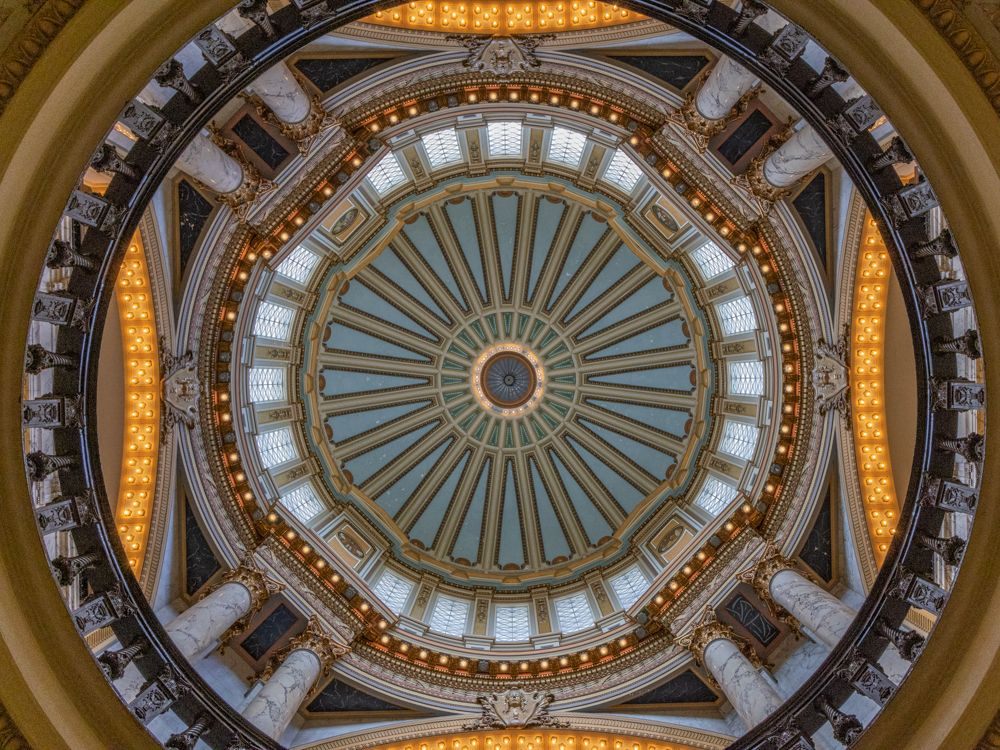
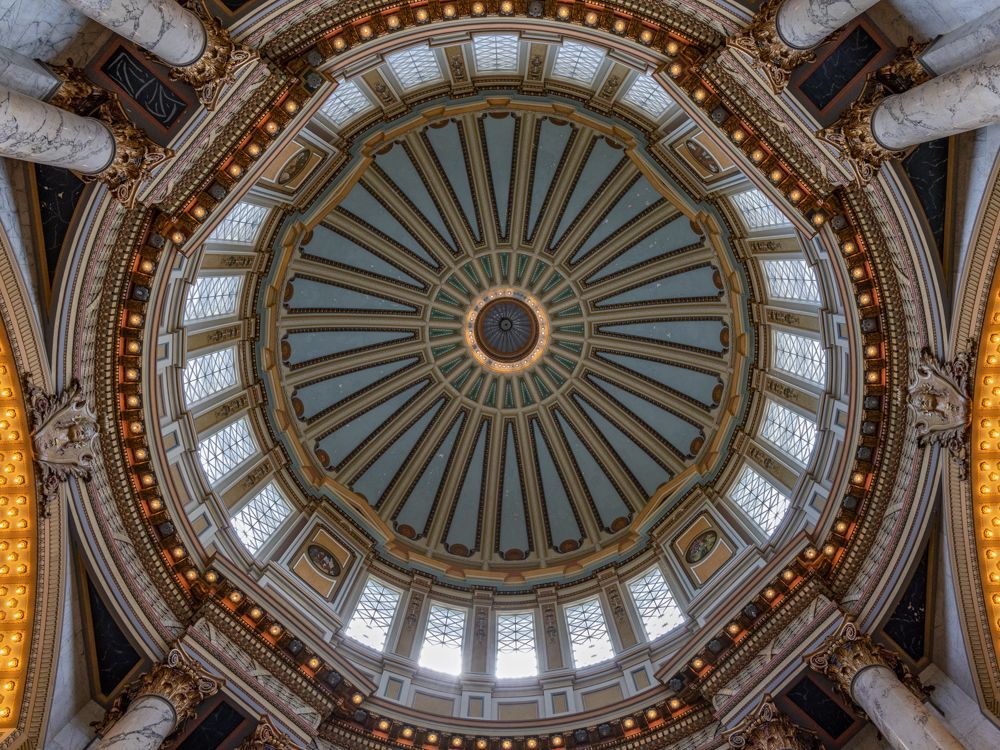
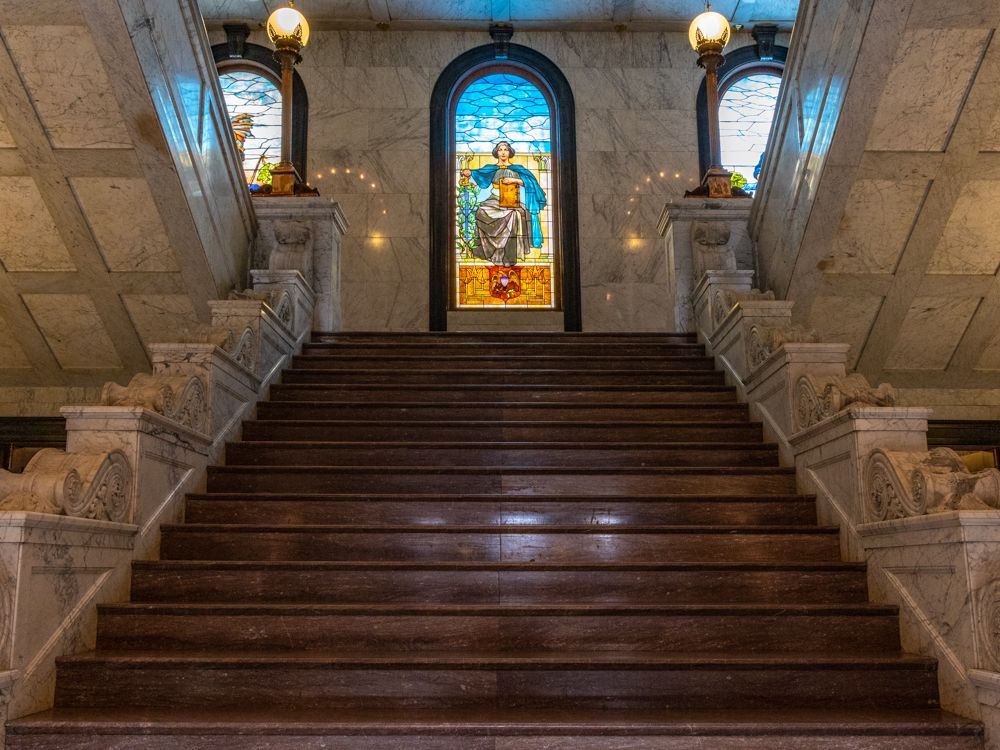
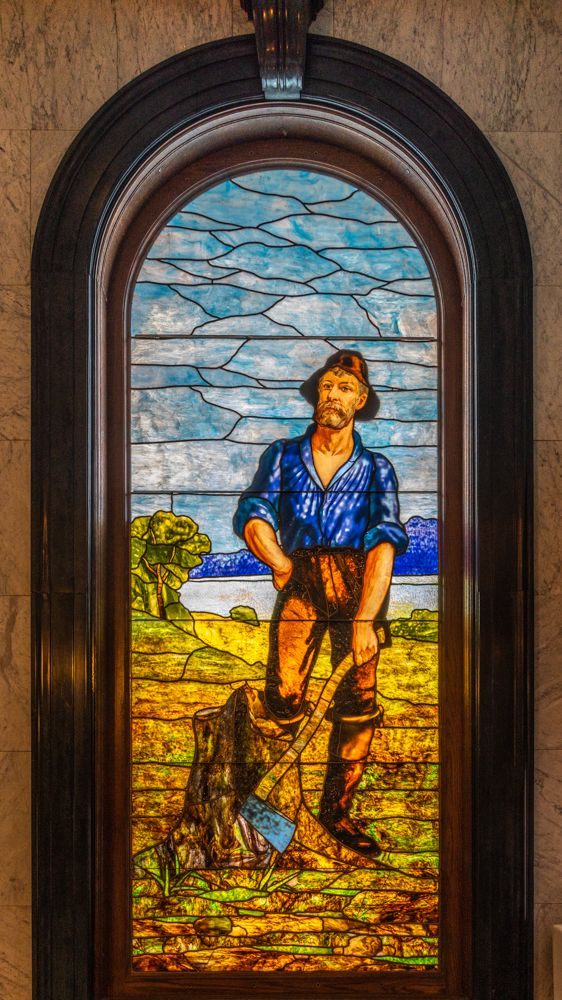
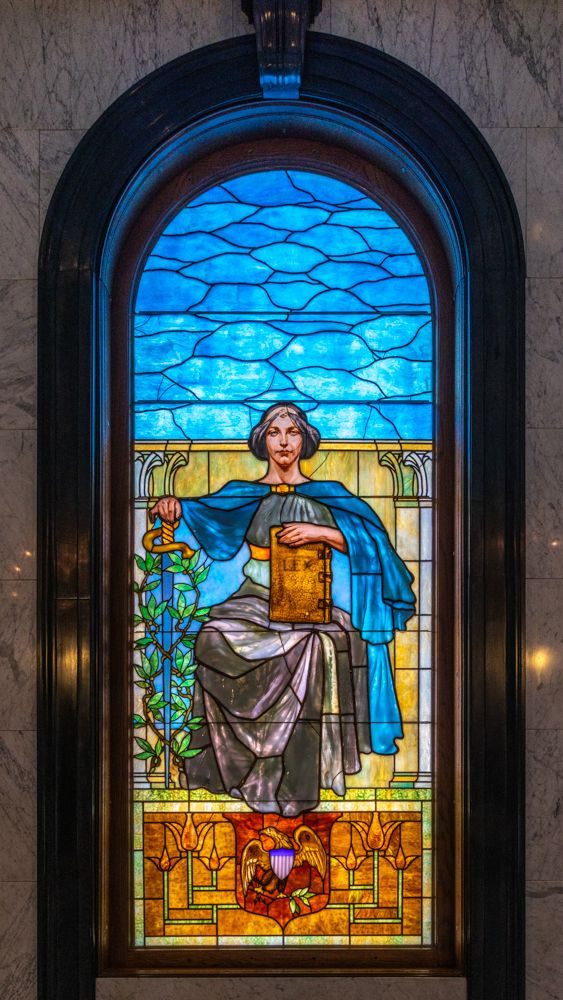
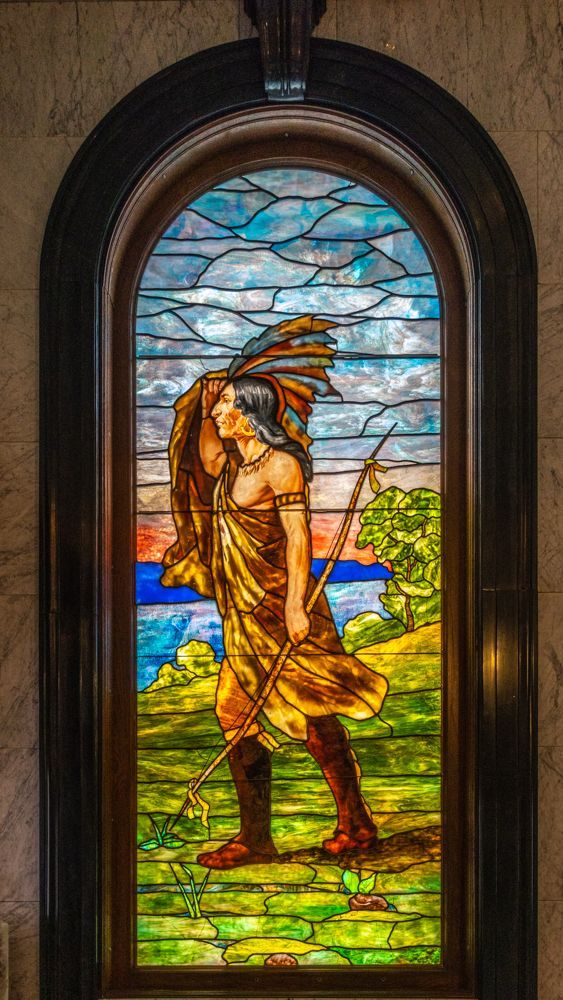
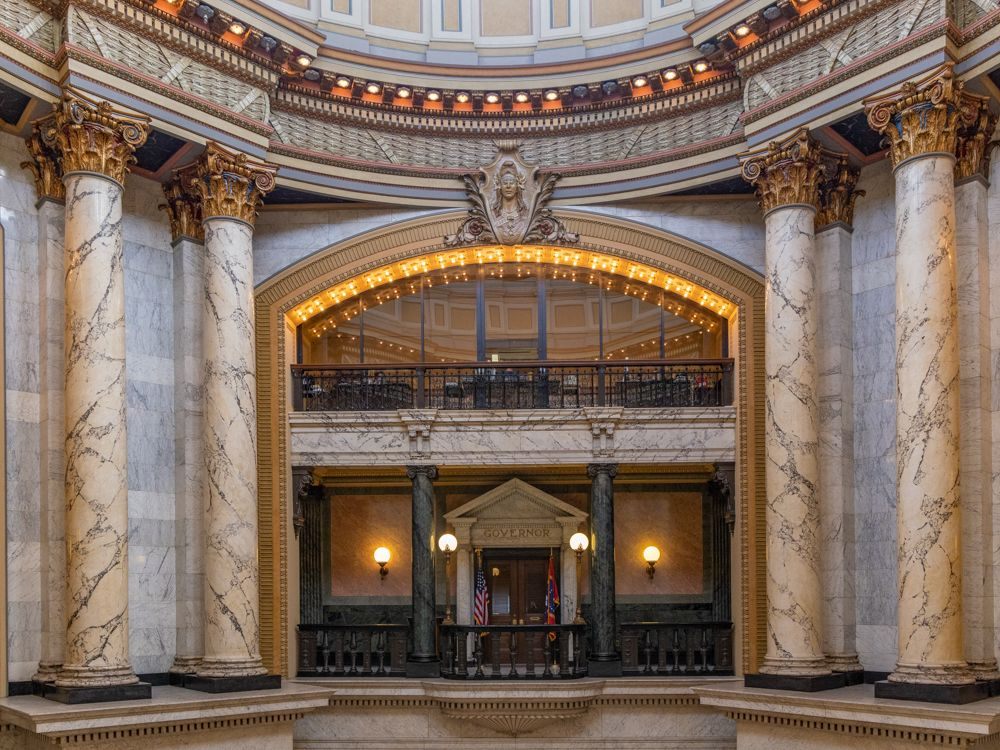
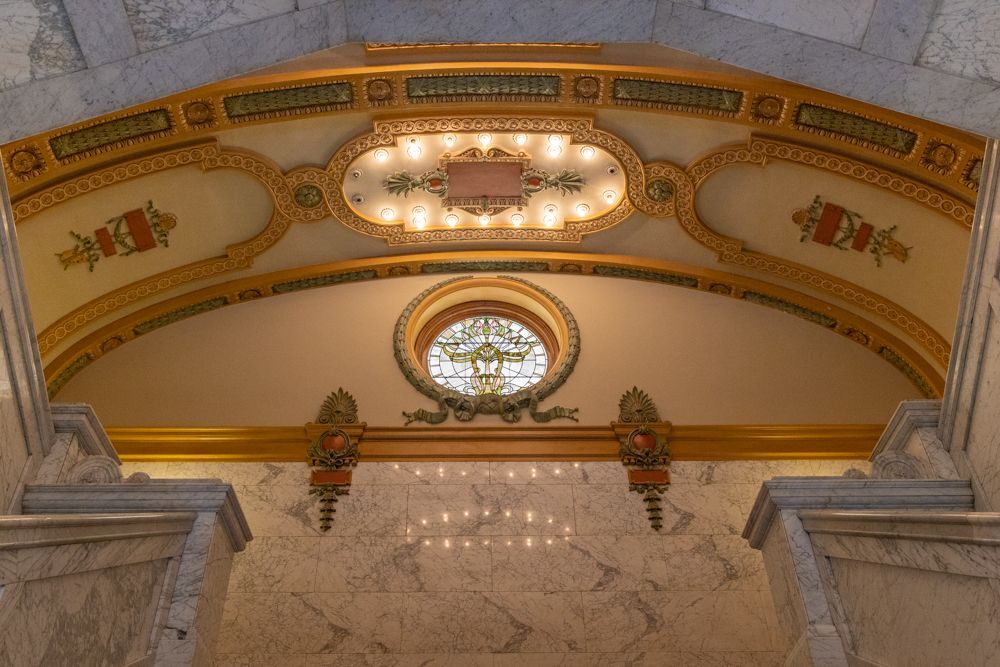
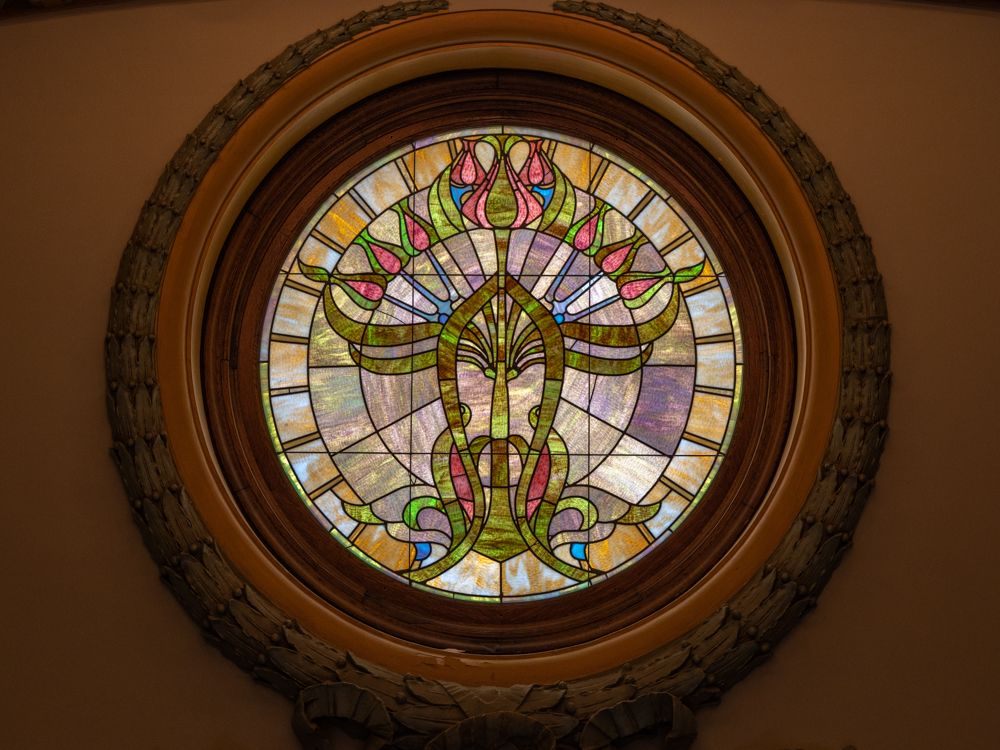
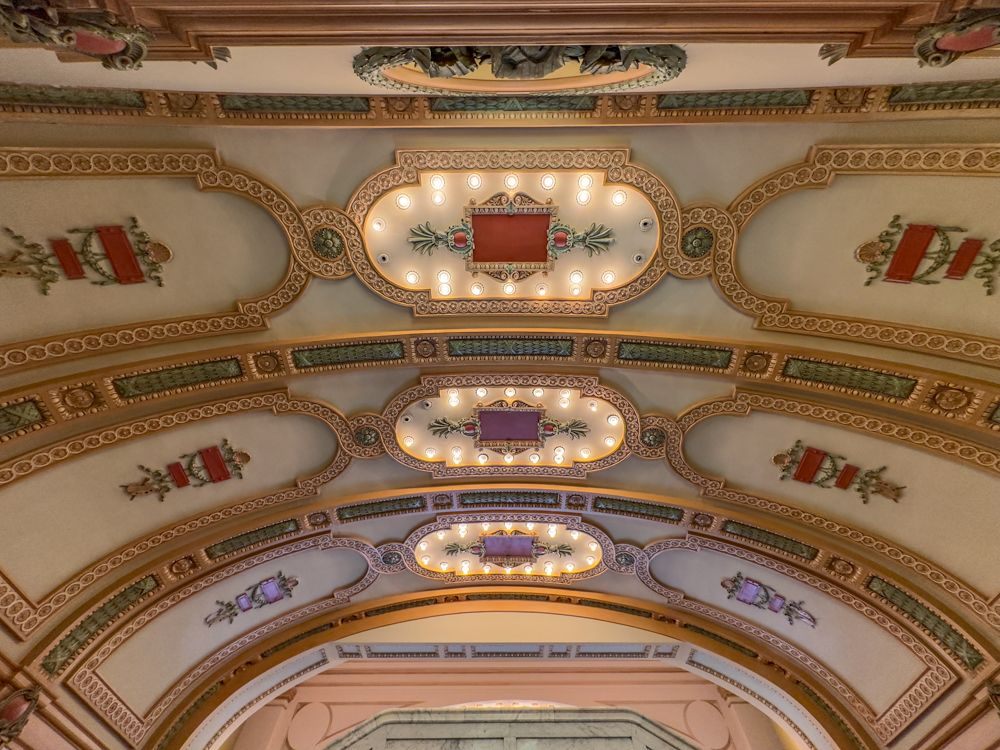
I then went over to see if I could get inside the Capitol building. It turns out the whole place is completely open to the public during working hours. Everyone was very friendly and welcoming, even the security guard at the front. I was able to photograph the dome from the inside, as well as a number of other architectural features. The special part was an unexpected interaction with Representative Greg Holloway . I was wandering down a hallway and he stopped me and asked if he could help me. Vintage Southern hospitality. I ended up speaking with him and another representative (sorry, I can’t remember his name!) for quite some time. Then he invited me into his office and introduced me to two other women (I failed to write down their names and cannot remember their exact titles - my bad!), who were also so kind and welcoming. It was truly a special and unexpected experience.
This is my last day in Mississippi. Tomorrow I cross into Louisiana.
Adding to the chaos was the sensory overload induced by the exhibits themselves. Visually, there is an enormous amount of information presented. Although each little piece is well done, the exhibits are visually chaotic, as well as redundant and duplicative. (Wait, that was both redundant and duplicative). It was really difficult to focus on any one thing and there was no flow within each of the themed rooms. Adding to the sensory overload was the over-reliance on auditory effects. Everything from motion activated voices and sounds designed to startle, to multiple videos playing at once, to ongoing machine noises associated with several exhibits. All just WAY too much for me, especially combined with the extra noise and commotion from the school groups.
I’m glad I already had several civil rights museums under my belt. The allowed me to at least look for stories that were local and not necessarily mentioned or highlighted in the other museums. For example, the Emmet Till lynching (for supposedly whistling at a white woman) is a Mississippi story, as was the Woolworth’s lunch counter sit-in. Another major event specific to Mississippi was the great flood of 1927, when the Mississippi River broke through its levees and flooded the adjoining land, including structures and cotton fields. Plantation owners were allowed to conscript - without pay - African Americans to rebuild the levees. If they refused, they would be denied aid, including food provided by the Red Cross. This was one of the main driving forces that drove migration of many African-Americans to the North to seek better conditions and employment.
The sister Museum of Mississippi History also recounted the story of the Choctaw and Chickasaw tribe being rounded up and sent on the Trail of Tears to Oklahoma (see the earlier blog post about the First Americans Museum in Oklahoma City). I learned a couple of historical details of which I was preciously unaware. French rule (1718-1763) in the region that would be come the State of Mississippi brought Caribbean Creoles to Biloxi as slaves. British rule (1763-1798) brought Jamaican-born African Caribbeans to Natchez, a historically important town to both Native Americans and African Americans. I hope to visit the Natchez area tomorrow on my way down to Baton Rouge.
I also learned how slaves came to be counted as 3/5 of a person. Maybe I knew at one point, but had forgotten? In 1787, the framers of the Constitution argued over how to count enslaved people in determining representation and taxation. Because the North had so many fewer slaves than the South, they objected to awarding congressional seats based on population; Southerners objected to being taxed on population and property. The compromise was to count each slave as 3/5 of a person, creating a fatal flaw in the constitution that would later have to be rectified by the 14th Amendment.
Sorry for the long diatribe and history lesson. Hopefully it was at least educational.
I stopped for a lunch break at Urban Foxes . If you are ever in Jackson, I really recommend it. A cool place and really great people.
I then went over to see if I could get inside the Capitol building. It turns out the whole place is completely open to the public during working hours. Everyone was very friendly and welcoming, even the security guard at the front. I was able to photograph the dome from the inside, as well as a number of other architectural features. The special part was an unexpected interaction with Representative Greg Holloway . I was wandering down a hallway and he stopped me and asked if he could help me. Vintage Southern hospitality. I ended up speaking with him and another representative (sorry, I can’t remember his name!) for quite some time. Then he invited me into his office and introduced me to two other women (I failed to write down their names and cannot remember their exact titles - my bad!), who were also so kind and welcoming. It was truly a special and unexpected experience.
This is my last day in Mississippi. Tomorrow I cross into Louisiana.
61 photo galleries
50 States
- Big Sur
- Salinas
- Laguna Beach
- San Diego
- California
- Grand Canyon
- Sedona
- Utah
- Syracuse
- Moab
- Denver
- Manitou Springs
- Calhan
- Mesa Verde
- Los Alamos
- Santa Fe
- Carlsbad
- New Mexico
- Eureka Springs
- Little Rock
- Birmingham
- Jackson
- Lottie
- Ten Thousand Islands
- Jerome
- Savannah
- White
- Asheville
- Sandstone Falls
- Baltimore
- Timonium
- Maryland
- Berlin
- Milton
- Smyrna
- Ocean City
- Detroit
- Upper Peninsula of Michigan
- Michigan
- Herod
- Ozark
- Two Harbors
- Carlton
- Madison County
- Oakley
- Valentine
- South Dakota
- United States
- Yellowstone National Park
- Lima
- Idaho
- Port Townsend
- Lincoln City
- Newport
- San Francisco