Herod to Chicago
Fortunately, I have not yet quite adjusted to Central time. This allowed me to get an early start, wheels up at 6:30 AM. I arrived at the Abraham Lincoln Presidential Museum and Library in Springfield late morning, so had plenty of time to take in the exhibits before getting back in the car to continued to Chicago.
The AV experience here consisted of a small screen experience while waiting for the first auditorium to open, a holographic introduction to the museum, and a surround experience that presented Lincoln’s story. The holographic experience combined a live actor with visual effects to illustrate historical context. Slightly hokey, but not awful. The surround experience I could have done without. Personally, I found flashing lights and vibrating seats a distraction rather than an enhancement to the historical story. I would have preferred more information and less experience. The intrusive background sounds carried over into the exhibits.
The exhibits themselves were divide into Lincoln’s pre-presidential years and his presidential years. They did provide quite a bit of information about both his personal circumstances and the political climate that led to his becoming the 16th president of the U.S. Interestingly, there was little discussion of his formative years in Indiana, during which time his views on slavery were influenced by various people with whom he interacted. Interestingly, while he viewed slavery as morally and ethically unjust, he did not initially embrace full equality, including suffrage, until later in his presidency.
Initially, Lincoln thought only to prevent the expansion of slavery to new states entering the Union. Only when the coalition of Southern states that would become the Confederacy seceded, did he shift his priorities to maintaining the Union. The abolition of slavery became a secondary goal as the Civil War raged on. Only after a decisive victory at Antietam did he feel sufficiently confident to issue his preliminary Emancipation Proclamation . A few months later he issued the final version.
I was reminded that the Emancipation Proclamation was a complicated and controversial document, and certainly incomplete with respect to slavery, never mind full equality. Initially, all it did was to declare "that all persons held as slaves" in "States and parts of States ... in rebellion against the United States" on that day "are, and henceforward shall be free." Even that had no practical significance until the Union army occupied the areas in question. The last slaves were freed in Texas on "Juneteenth" (June 19, 1865) which became a federal holiday in 2021.
Although Lincoln believed the Emancipation Proclamation to be an act of justice," he issued it as a "military necessity," because he believed that the U.S. Constitution, as written, would not allow it on any other basis. The Emancipation Proclamation was justified as a war tactic, because by freeing enslaved people it deprived the South of labor, and it allowed African American people to fight for the Union in the war. Of course, he went on to remedy the constitutional problem with the 13th amendment . But it would take the 14th and 15th amendments to guarantee equal protection and the right to vote. And even then, lingering views in the South, which manifested Jim Crow laws, delayed practical implementation of the constitutional amendments.
Abraham Lincoln has to be one of the most tragic American presidents. He lifted himself up from abject poverty, taught himself to read and write, taught himself the law and accomplished possibly the most radical change in American history, only to be assassinated by a detractor just a few days after seeing the Union win the Civil War.
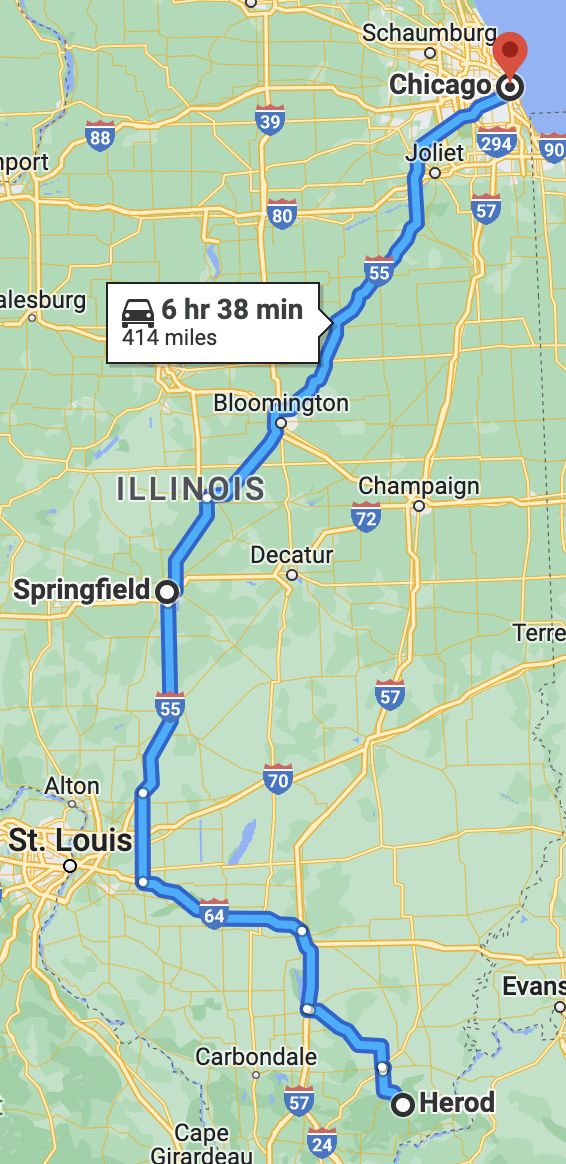
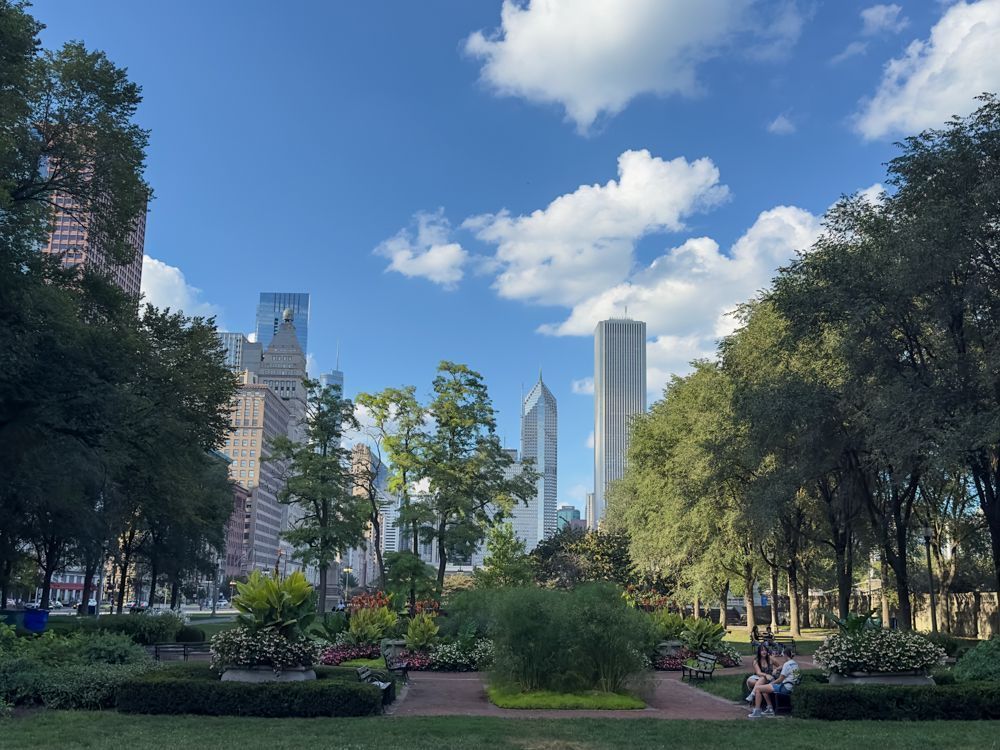
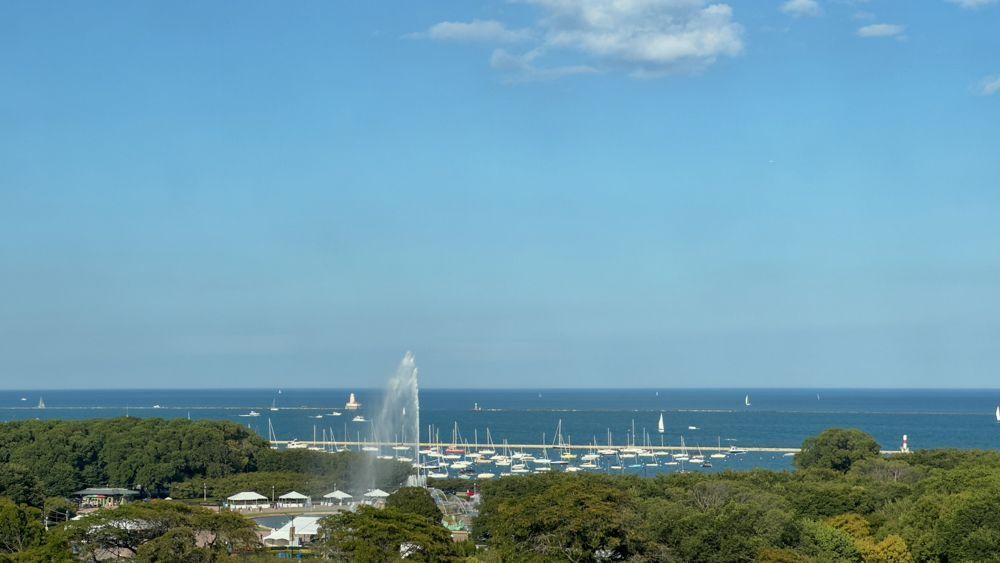
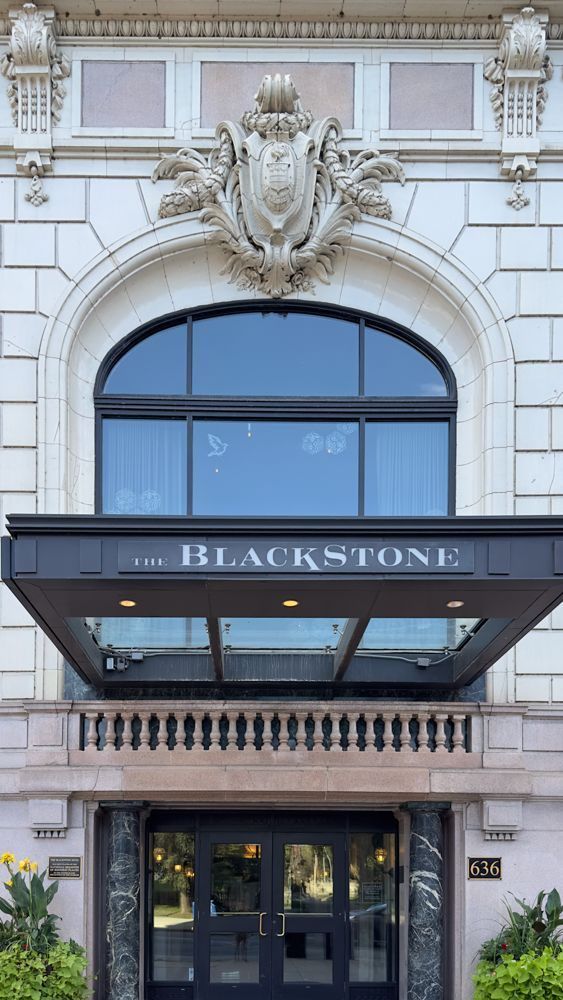
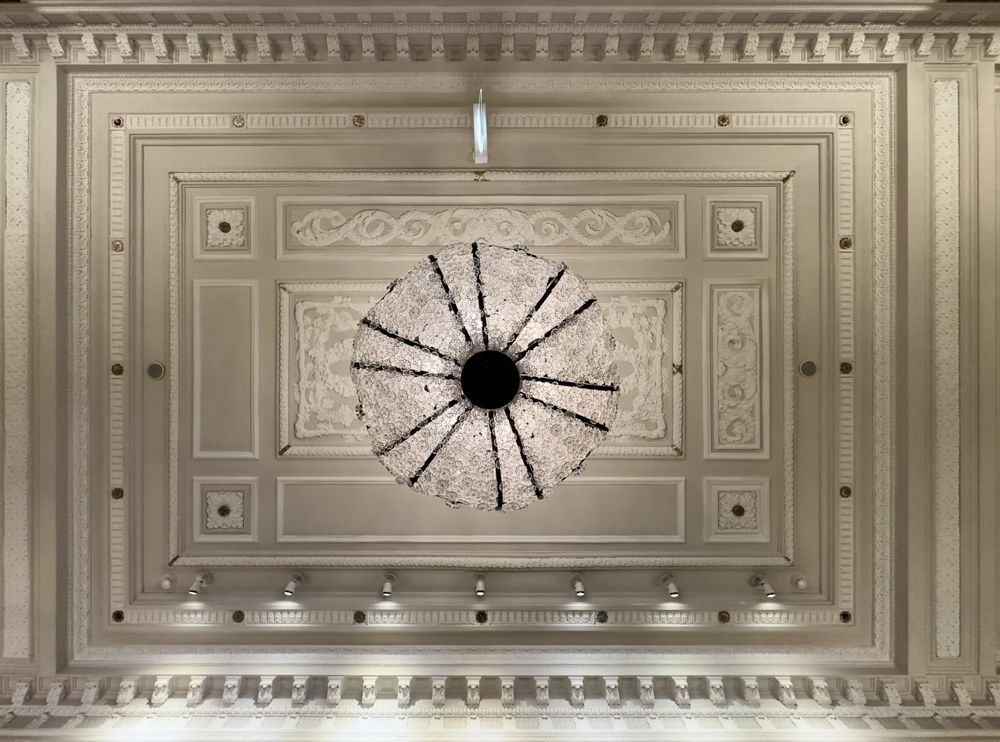
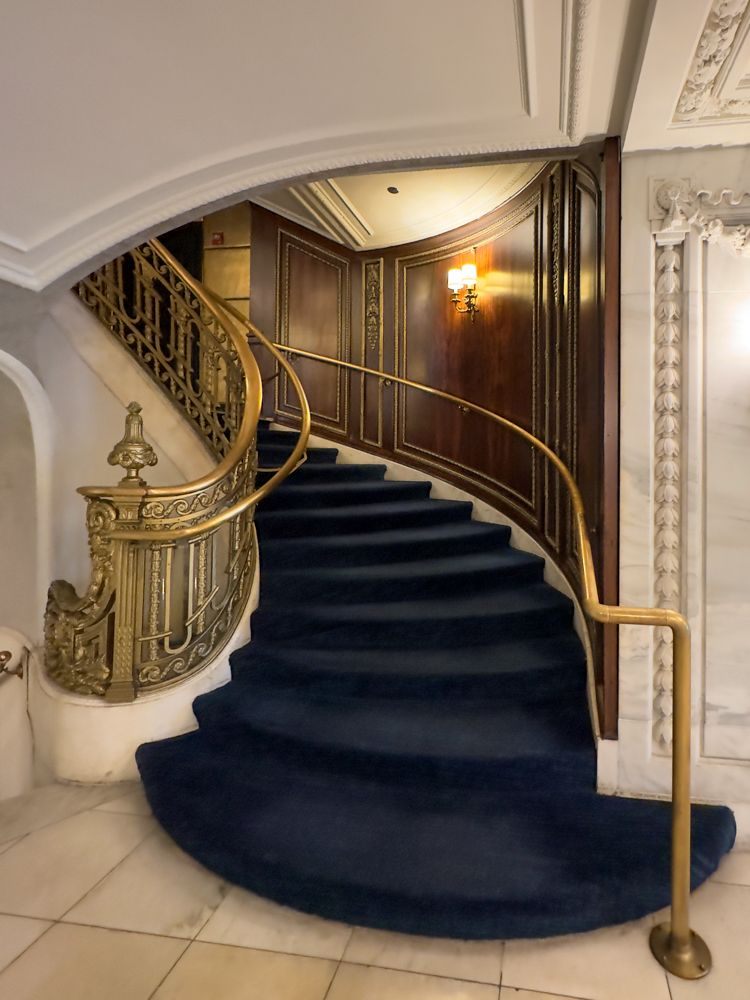
After leaving the museum, I drove the remaining three hours up to Chicago, part of which tracked historic Route 66. Traffic entering the city was remarkably light, perhaps because of the Labor Day holiday, and I easily found my hotel, checked in, and parked the car. I am staying at The Blackstone , a historic 110 year old hotel that is now part of the Marriott Autograph collection. This is a truly lovely hotel. They have maintained the historical architecture and decoration, while updating the hotel to make it comfortable and functional. It, along with the Watermark in Baton Rouge, have been the nicest hotels of my trip so far. The price point is remarkably reasonable (points did not hurt either), but the parking fee is outrageous, the most expensive of my trip. This is not the fault of the hotel, it is a function of Chicago.
I’m in Chicago the rest of the week, so will have plenty of opportunity to play in the city in which I have visited a number of times for work.
The AV experience here consisted of a small screen experience while waiting for the first auditorium to open, a holographic introduction to the museum, and a surround experience that presented Lincoln’s story. The holographic experience combined a live actor with visual effects to illustrate historical context. Slightly hokey, but not awful. The surround experience I could have done without. Personally, I found flashing lights and vibrating seats a distraction rather than an enhancement to the historical story. I would have preferred more information and less experience. The intrusive background sounds carried over into the exhibits.
The exhibits themselves were divide into Lincoln’s pre-presidential years and his presidential years. They did provide quite a bit of information about both his personal circumstances and the political climate that led to his becoming the 16th president of the U.S. Interestingly, there was little discussion of his formative years in Indiana, during which time his views on slavery were influenced by various people with whom he interacted. Interestingly, while he viewed slavery as morally and ethically unjust, he did not initially embrace full equality, including suffrage, until later in his presidency.
Initially, Lincoln thought only to prevent the expansion of slavery to new states entering the Union. Only when the coalition of Southern states that would become the Confederacy seceded, did he shift his priorities to maintaining the Union. The abolition of slavery became a secondary goal as the Civil War raged on. Only after a decisive victory at Antietam did he feel sufficiently confident to issue his preliminary Emancipation Proclamation . A few months later he issued the final version.
I was reminded that the Emancipation Proclamation was a complicated and controversial document, and certainly incomplete with respect to slavery, never mind full equality. Initially, all it did was to declare "that all persons held as slaves" in "States and parts of States ... in rebellion against the United States" on that day "are, and henceforward shall be free." Even that had no practical significance until the Union army occupied the areas in question. The last slaves were freed in Texas on "Juneteenth" (June 19, 1865) which became a federal holiday in 2021.
Although Lincoln believed the Emancipation Proclamation to be an act of justice," he issued it as a "military necessity," because he believed that the U.S. Constitution, as written, would not allow it on any other basis. The Emancipation Proclamation was justified as a war tactic, because by freeing enslaved people it deprived the South of labor, and it allowed African American people to fight for the Union in the war. Of course, he went on to remedy the constitutional problem with the 13th amendment . But it would take the 14th and 15th amendments to guarantee equal protection and the right to vote. And even then, lingering views in the South, which manifested Jim Crow laws, delayed practical implementation of the constitutional amendments.
Abraham Lincoln has to be one of the most tragic American presidents. He lifted himself up from abject poverty, taught himself to read and write, taught himself the law and accomplished possibly the most radical change in American history, only to be assassinated by a detractor just a few days after seeing the Union win the Civil War.
After leaving the museum, I drove the remaining three hours up to Chicago, part of which tracked historic Route 66. Traffic entering the city was remarkably light, perhaps because of the Labor Day holiday, and I easily found my hotel, checked in, and parked the car. I am staying at The Blackstone , a historic 110 year old hotel that is now part of the Marriott Autograph collection. This is a truly lovely hotel. They have maintained the historical architecture and decoration, while updating the hotel to make it comfortable and functional. It, along with the Watermark in Baton Rouge, have been the nicest hotels of my trip so far. The price point is remarkably reasonable (points did not hurt either), but the parking fee is outrageous, the most expensive of my trip. This is not the fault of the hotel, it is a function of Chicago.
I’m in Chicago the rest of the week, so will have plenty of opportunity to play in the city in which I have visited a number of times for work.
61 photo galleries
50 States
- Big Sur
- Salinas
- Laguna Beach
- San Diego
- California
- Grand Canyon
- Sedona
- Utah
- Syracuse
- Moab
- Denver
- Manitou Springs
- Calhan
- Mesa Verde
- Los Alamos
- Santa Fe
- Carlsbad
- New Mexico
- Eureka Springs
- Little Rock
- Birmingham
- Jackson
- Lottie
- Ten Thousand Islands
- Jerome
- Savannah
- White
- Asheville
- Sandstone Falls
- Baltimore
- Timonium
- Maryland
- Berlin
- Milton
- Smyrna
- Ocean City
- Detroit
- Upper Peninsula of Michigan
- Michigan
- Herod
- Ozark
- Two Harbors
- Carlton
- Madison County
- Oakley
- Valentine
- South Dakota
- United States
- Yellowstone National Park
- Lima
- Idaho
- Port Townsend
- Lincoln City
- Newport
- San Francisco