Fort Wayne
This morning I met my friend V’s dad D for breakfast. We ate at his favorite spot, the Lakeside Cafe . They did indeed serve a great breakfast. And I we spent a very enjoyable hour chatting about various places I have visited and in which D also lived at various times in his life. We even veered into politics and found we were in agreement regarding the state of the country. All in all, a very pleasant start to the day.
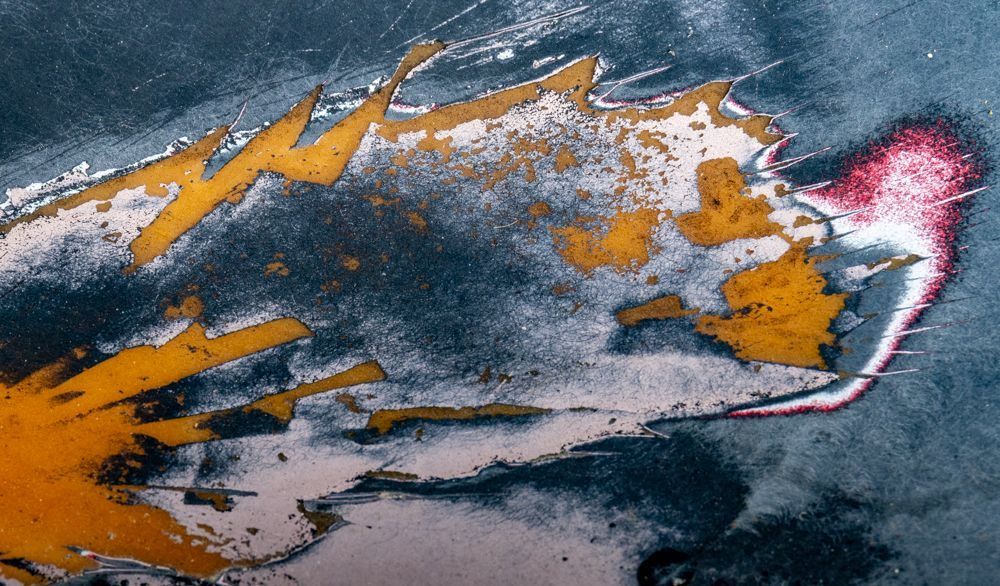
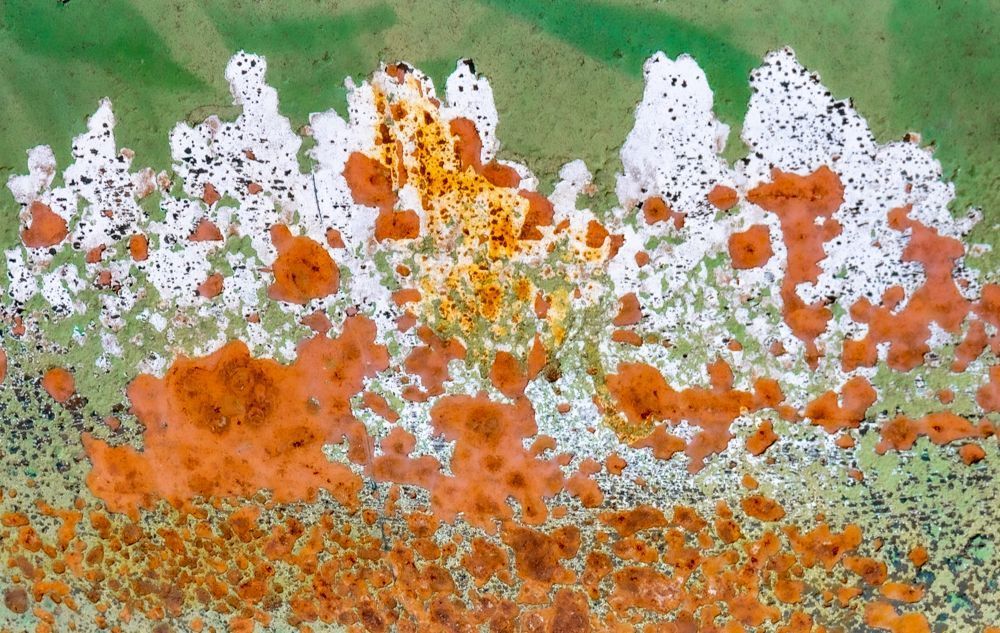
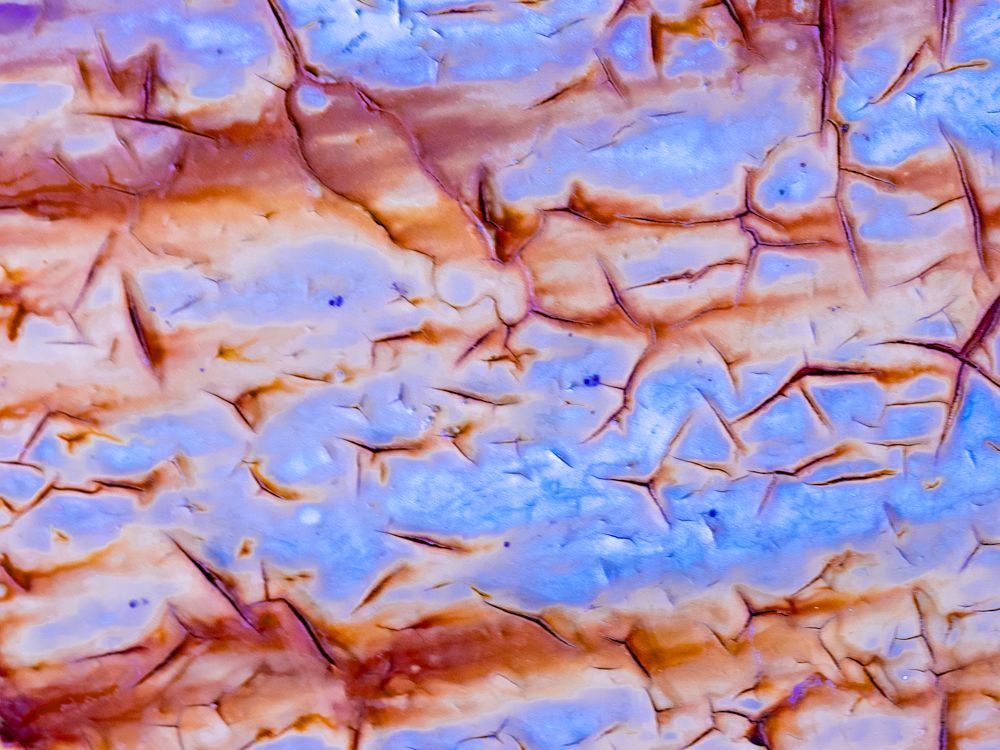
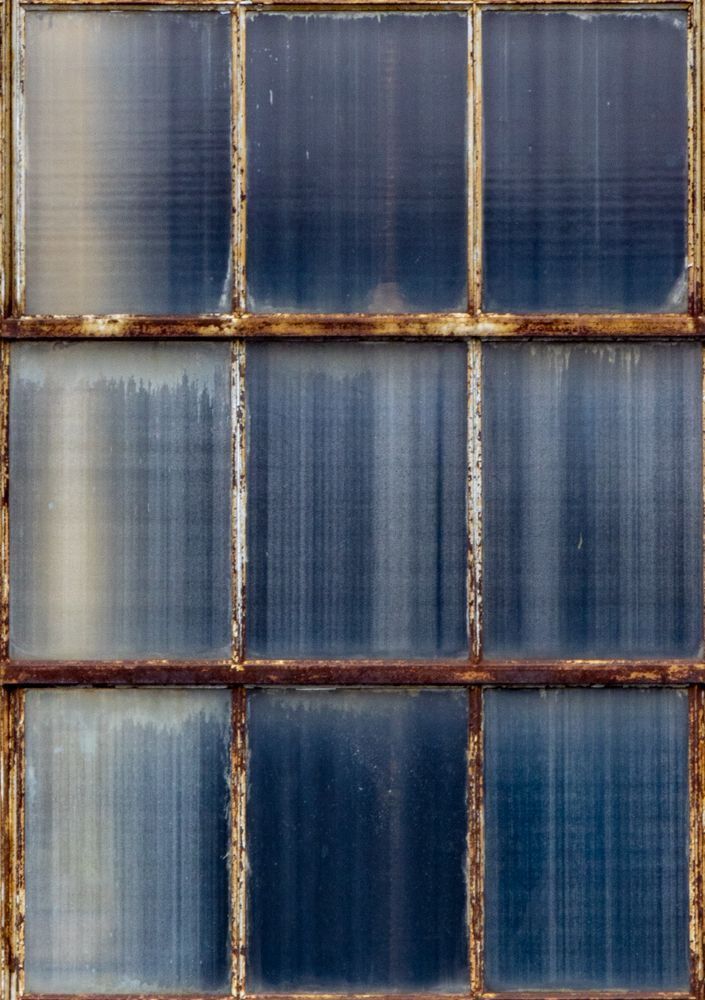
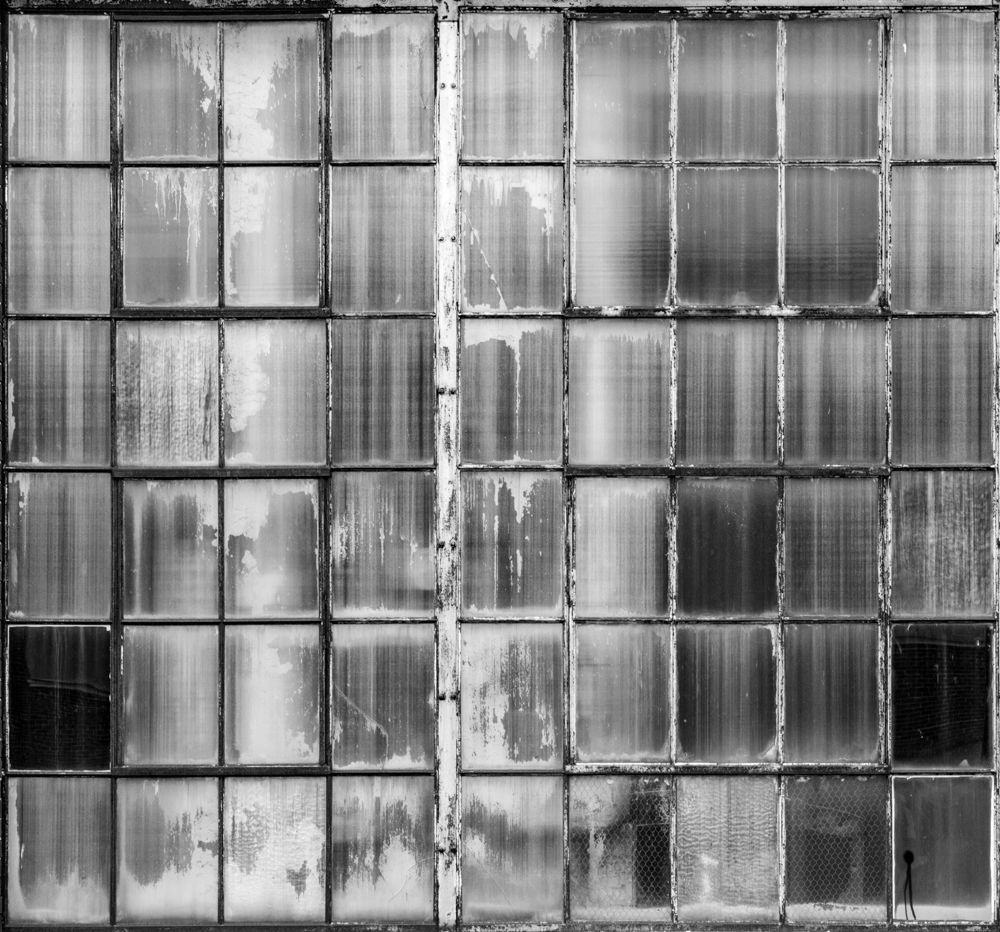
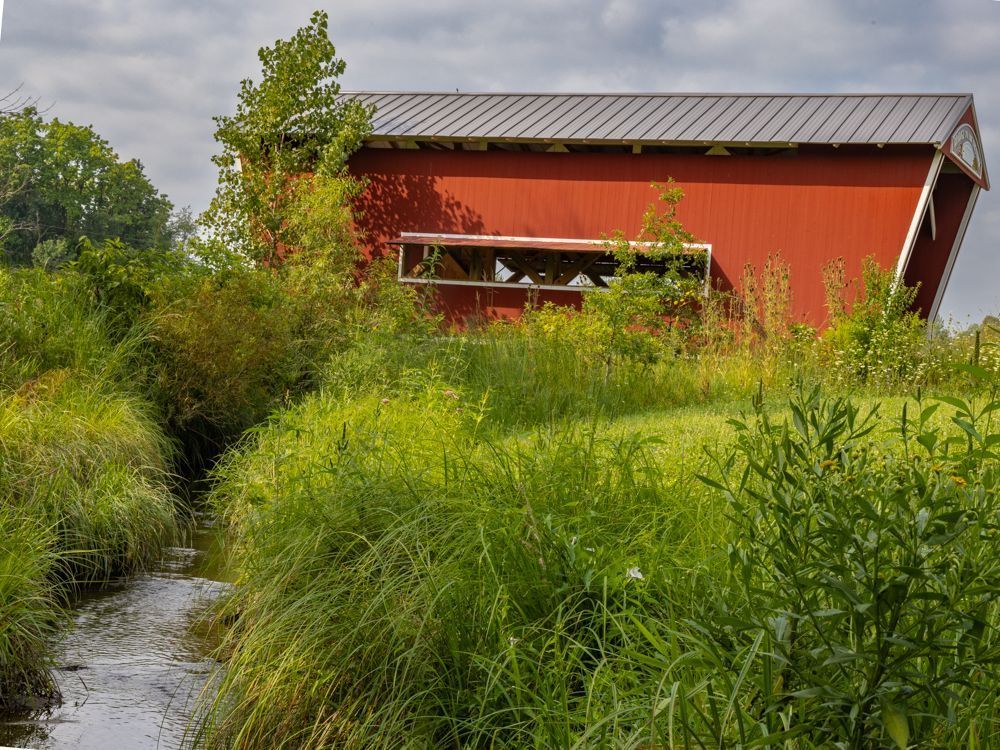
Today is Museum Monday, so my options were limited. I first drove over to International Park , once the home of to the Harvester Plant. Some buildings are vacant, some have been repurposed. I found some exteriors, as well as old cars, that provided some abstract opportunities. I then drove out to the Salomon Farm , on the edge of town, to view a historic covered bridge.
The History Center of Fort Wayne was the one destination that was open, so I walked over to visit this small but informative museum. Like many inland cities, Fort Wayne is situated at the confluence of rivers, in this case, the St. Mary, the St. Joseph, and the Maumee. The exhibits begin with a description of the native inhabitants of this area, the Miami tribe . Due to a portage between the Maumee and Wabash River Systems, the Kekionga village was a key trading center for a trade route that stretched from the Great Lakes to the Gulf of Mexico.
In 1809, at the military installation of Fort Wayne, the United States negotiated a treaty with “chiefs” of various tribes including the Miami and Potawatomi to transfer approximately 3 million acres of land to the United States. The actual authority of these chiefs is very much in question as many seem to have been self-appointed or even US Government appointed chiefs carrying little authority with the tribes they represented. Officially this treaty is known as the Fort Wayne Treaty but unofficially it is known as the Whiskey Treaty as the natives were plied with whiskey in order to coerce them to sign the treaty. As in many other regions, the Native populations were decimated by smallpox and other diseases. And eventually the remaining population was rounded up and force-marched to Kansas, then Oklahoma , to join the many tribes that had been consolidated there after tricked into signing treaties that were usually not honored and finally evicted from their native lands.
At the end of the Northwest Indian War between the United States and the Miami Confederacy, General Anthony Wayne journeyed to the Three Rivers in 1794 to build a military fortification to control the region. The fort, and eventually the city that grew up around it, was named for him. During the mid-nineteenth century the Wabash and Erie Canals put Fort Wayne at the center of the largest canal system in North America. As was typical, railroads eventually replaced the canals as a more efficient transportation system and made Fort Wayne a hub for the nation during the Industrial Revolution. A major Fort Wayne claim to fame is as the home of Philo Farnsworth, the inventor of television.
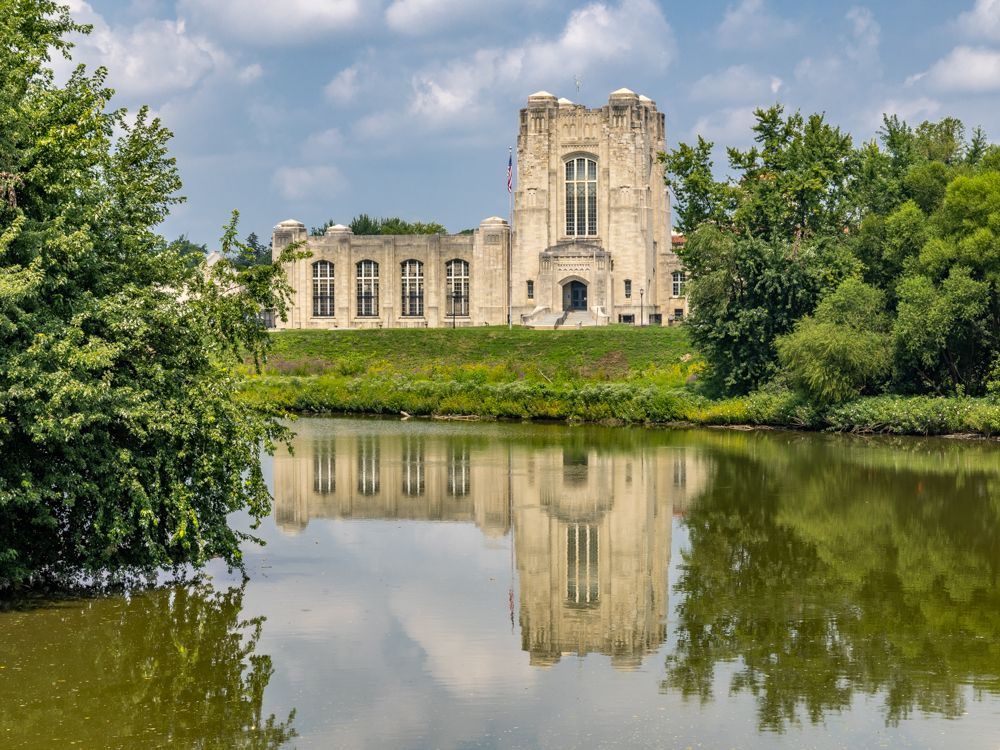
I had hoped to visit both the Embassy Theatre and the Old Courthouse , both historical buildings with interesting and beautiful architecture, both inside and out. I was unable to access the interior of either building - both would have required a lot of advance planning to try to organize a special tour.
I walked around the city for a bit, then gave up in the mid-afternoon due to the heat and humidity.
Tomorrow I will visit the old Fort and a few other destinations.
Today is Museum Monday, so my options were limited. I first drove over to International Park , once the home of to the Harvester Plant. Some buildings are vacant, some have been repurposed. I found some exteriors, as well as old cars, that provided some abstract opportunities. I then drove out to the Salomon Farm , on the edge of town, to view a historic covered bridge.
The History Center of Fort Wayne was the one destination that was open, so I walked over to visit this small but informative museum. Like many inland cities, Fort Wayne is situated at the confluence of rivers, in this case, the St. Mary, the St. Joseph, and the Maumee. The exhibits begin with a description of the native inhabitants of this area, the Miami tribe . Due to a portage between the Maumee and Wabash River Systems, the Kekionga village was a key trading center for a trade route that stretched from the Great Lakes to the Gulf of Mexico.
In 1809, at the military installation of Fort Wayne, the United States negotiated a treaty with “chiefs” of various tribes including the Miami and Potawatomi to transfer approximately 3 million acres of land to the United States. The actual authority of these chiefs is very much in question as many seem to have been self-appointed or even US Government appointed chiefs carrying little authority with the tribes they represented. Officially this treaty is known as the Fort Wayne Treaty but unofficially it is known as the Whiskey Treaty as the natives were plied with whiskey in order to coerce them to sign the treaty. As in many other regions, the Native populations were decimated by smallpox and other diseases. And eventually the remaining population was rounded up and force-marched to Kansas, then Oklahoma , to join the many tribes that had been consolidated there after tricked into signing treaties that were usually not honored and finally evicted from their native lands.
At the end of the Northwest Indian War between the United States and the Miami Confederacy, General Anthony Wayne journeyed to the Three Rivers in 1794 to build a military fortification to control the region. The fort, and eventually the city that grew up around it, was named for him. During the mid-nineteenth century the Wabash and Erie Canals put Fort Wayne at the center of the largest canal system in North America. As was typical, railroads eventually replaced the canals as a more efficient transportation system and made Fort Wayne a hub for the nation during the Industrial Revolution. A major Fort Wayne claim to fame is as the home of Philo Farnsworth, the inventor of television.
I had hoped to visit both the Embassy Theatre and the Old Courthouse , both historical buildings with interesting and beautiful architecture, both inside and out. I was unable to access the interior of either building - both would have required a lot of advance planning to try to organize a special tour.
I walked around the city for a bit, then gave up in the mid-afternoon due to the heat and humidity.
Tomorrow I will visit the old Fort and a few other destinations.
61 photo galleries
50 States
- Big Sur
- Salinas
- Laguna Beach
- San Diego
- California
- Grand Canyon
- Sedona
- Utah
- Syracuse
- Moab
- Denver
- Manitou Springs
- Calhan
- Mesa Verde
- Los Alamos
- Santa Fe
- Carlsbad
- New Mexico
- Eureka Springs
- Little Rock
- Birmingham
- Jackson
- Lottie
- Ten Thousand Islands
- Jerome
- Savannah
- White
- Asheville
- Sandstone Falls
- Baltimore
- Timonium
- Maryland
- Berlin
- Milton
- Smyrna
- Ocean City
- Detroit
- Upper Peninsula of Michigan
- Michigan
- Herod
- Ozark
- Two Harbors
- Carlton
- Madison County
- Oakley
- Valentine
- South Dakota
- United States
- Yellowstone National Park
- Lima
- Idaho
- Port Townsend
- Lincoln City
- Newport
- San Francisco