Dover
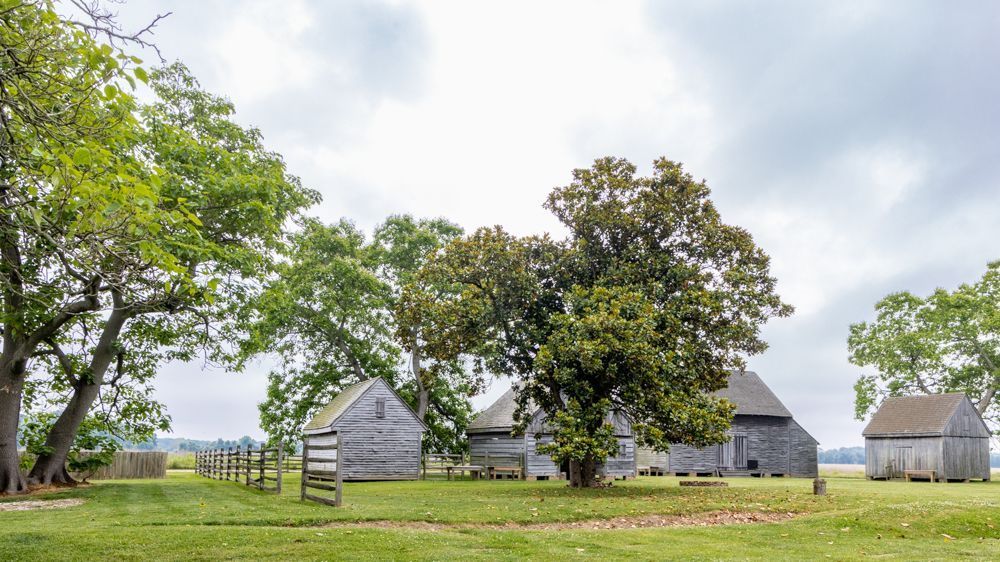
Today was a museum day. I first visited the John Dickinson Plantation . Katie was my docent and, having written her senior thesis on John Dickinson, she was a font of information. You’ve probably never heard of this historically important figure, known as the Penman of the Revolution, and neither had I. This is because, although he is considered one of the founding fathers of the U.S., he declined to sign the Declaration of Independence. From what I learned, this was not because he did not support independence - he very much did - but he felt the timing was wrong. He did not believe the bid for independence would be successful at that time and he was concerned that a loss would leave the colonies in a worse situation with regard to British rule. Ultimately, he abstained from the vote rather than casting a nay vote because, if the colonies were to militate for independence, he preferred the vote be unanimous. Ultimately, he joined the army and fought for independence.
In 1767, Dickinson wrote a series of letters called "Letters from a Farmer in Pennsylvania " highlighting his concerns for the new Townshend Act . (The Townshend Acts were a series of measures, passed by the British Parliament in 1767, that taxed goods imported to the American colonies.) But American colonists, who had no representation in Parliament, saw the Acts as an abuse of power. These letters were initially anonymous and signed “... from a Farmer and they inspired many and brought him fame. As a result, Dickinson was became known as a writer with a talent for championing the American cause, and was frequently solicited to write various documents.
Although Dickinson owned enslaved people, he reputedly treated them relatively humanely, declining to beat or abuse them. He reportedly purchased enslaved people from his brother to keep families together. Dickinson was born into the Quaker religion and, although not necessarily observant, he acceded to its precepts. In 1776, the Quakers in the Philadelphia area (where his wife was from, and where they owned land) made it known that holding humans in bondage was an unacceptable practice. It was strongly recommended that all Quakers set their slaves free. Eventually, in 1786, John unconditionally released his slaves.
My next brief stop was to Delaware Shoppes , located in Dover's historic site of the Golden Fleece Tavern. The tavern was where the U.S .Constitution and Bill of Rights were ratified by Delaware. It is currently a gift and souvenir shop, where I was able to purchase the requisite Delaware State shot glass from Tom to add to my collection.
I then proceeded a couple of blocks down the street to the Johnson Victrola Museum . The museum highlights the history of the Victor Talking Machine Company, which pioneered the development of the sound-recording industry and was founded by Delaware’s native son, Eldridge Reeves Johnson. Steve and Francisco were both extremely knowledgeable and helpful.
The history of the phonograph is circuitous and convoluted. The earliest version of the turntable was actually a scientific instrument, designed and crafted by Édouard-Léon Scott de Martinville. What de Martinville called the phonautograph was patented in France in 1857, and is widely considered the first sound recording device. However, the phonautograph had one caveat: it couldn’t play sound back. Instead, it would inscribe airborne sound onto paper that could be studied visually. The phonograph, invented by Thomas Edison, was introduced to the world in 1877. Not only could it record sound but it could replay it as well. Edison’s phonograph functioned by inscribing audio information onto a sheet of heavy tinfoil wrapped around a cardboard cylinder for later retrieval and playback. Alexander Graham Bell took Edison’s design and improved upon it, using wax instead of foil to record sound waves and calling the machine the graphophone. The real breakthrough for record players and record design came from German-American inventor Emile Berliner, who built the gramophone and patented it in 1887. This machine read grooves off of a flat disc rather than a cylinder, which was far easier to produce and was thus more marketable. And I provided the blueprint for the modern record player. Along with his creation of the gramophone, Berliner is credited with the creation of the modern record, which was initially made from hard rubber, and then shellac, before finally being manufactured from vinyl. Victrola eventually became RCA.
The museum has collected many examples of original recording and playback devices. The first gramophones played sound through large external horns. These were ultimately internalized as speakers to make the machines more compact and commercializable. I thought the horns were quite beautiful. They were made from all sorts of material, not only metal, but glass and cardboard. One I saw was layered with gold leaf. I was treated to music played on two of the machines, one with an external horn, one with an internal speaker. Honestly, I preferred the sound from the horn. You can listen to two video recordings below.
Another interesting story was how the dog came to be part of the RCA logo . Nipper was a dog from Bristol, England, who served as the model for an 1898 painting by Francis Barraud titled “His Master's Voice.” In 1898, three years after Nipper's death, Francis Barraud painted a picture of Nipper listening intently to an electric Edison-Bell cylinder phonograph. Thinking the Edison-Bell Company might find it useful, he offered it to James E. Hough, Edison-Bell's British representative, who promptly replied, "Dogs don't listen to phonographs". In 1899, Barraud went to the Maiden Lane offices of The Gramophone Company to inquire about borrowing a brass horn to replace the original black horn in order to brighten up the painting. When Gramophone Company founder and manager William Barry Owen was shown the painting, he suggested that if the artist painted out the cylinder machine and replaced it with a Berliner disc gramophone, he would buy the painting. Barraud obliged, and the image soon became the successful trademark of the Victor and Gramophone Company record labels, and eventually the Radio Corporation of America (RCA). One of the original artist copies of the oil painting hangs in the museum.
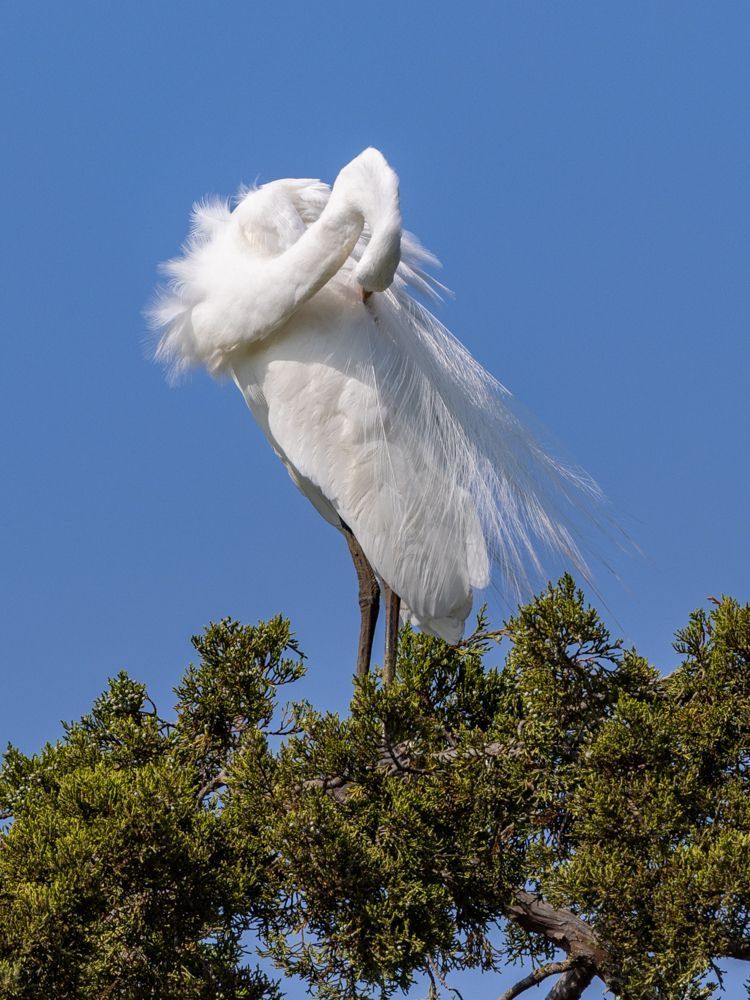
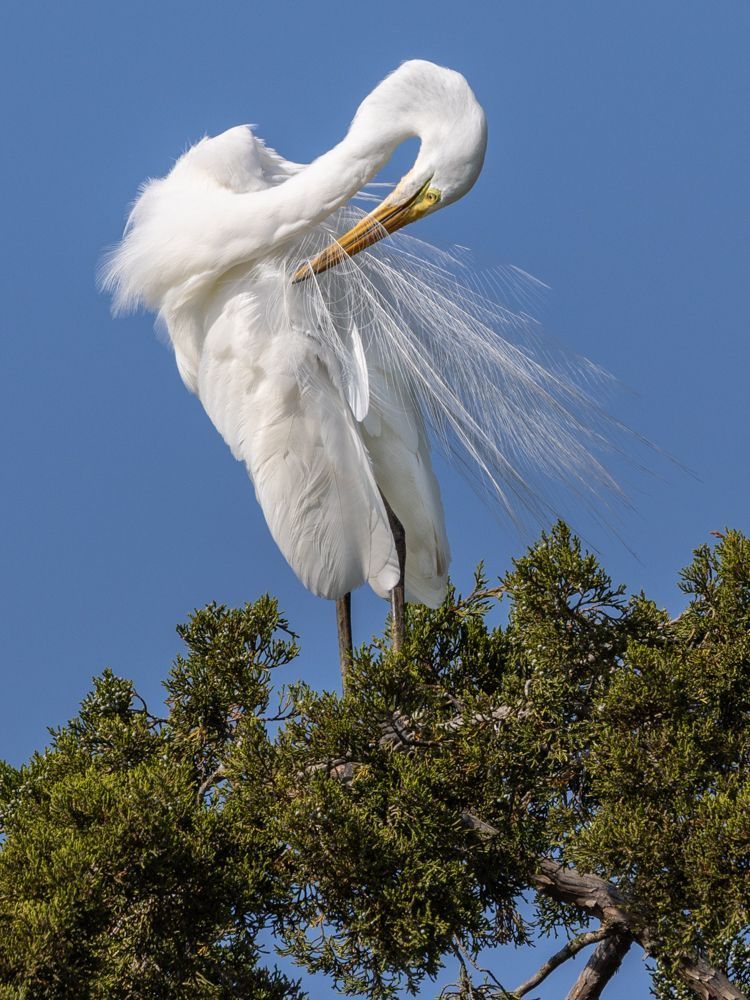
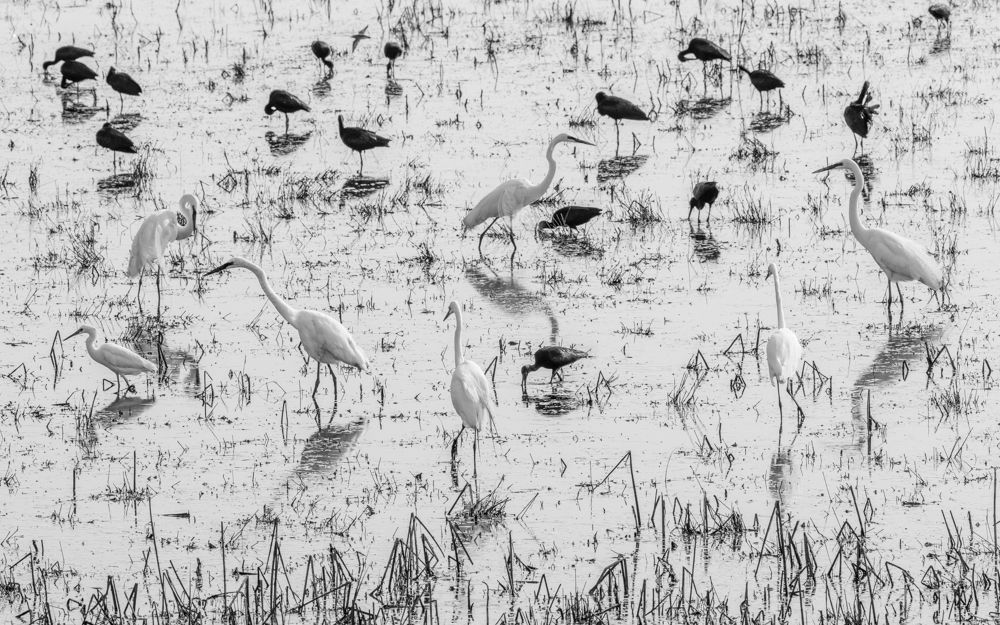
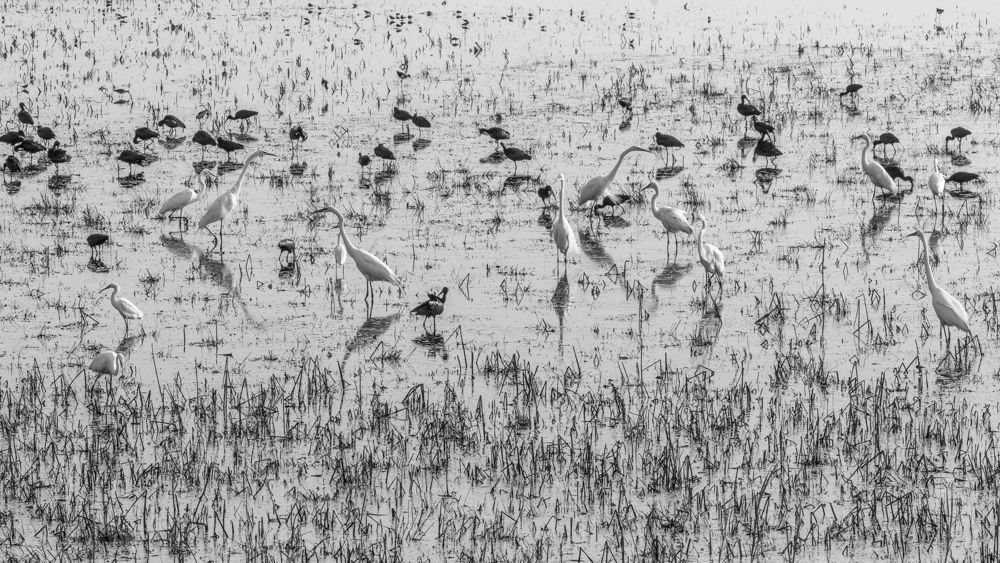
Later in the afternoon I took another quick swing out to Bombay NWR to see if I could find the owls. No owls, but I found a few other interesting situations.
Tomorrow I drive North to Wilmington.
A few additional images are found in the Gallery .
In 1767, Dickinson wrote a series of letters called "Letters from a Farmer in Pennsylvania " highlighting his concerns for the new Townshend Act . (The Townshend Acts were a series of measures, passed by the British Parliament in 1767, that taxed goods imported to the American colonies.) But American colonists, who had no representation in Parliament, saw the Acts as an abuse of power. These letters were initially anonymous and signed “... from a Farmer and they inspired many and brought him fame. As a result, Dickinson was became known as a writer with a talent for championing the American cause, and was frequently solicited to write various documents.
Although Dickinson owned enslaved people, he reputedly treated them relatively humanely, declining to beat or abuse them. He reportedly purchased enslaved people from his brother to keep families together. Dickinson was born into the Quaker religion and, although not necessarily observant, he acceded to its precepts. In 1776, the Quakers in the Philadelphia area (where his wife was from, and where they owned land) made it known that holding humans in bondage was an unacceptable practice. It was strongly recommended that all Quakers set their slaves free. Eventually, in 1786, John unconditionally released his slaves.
My next brief stop was to Delaware Shoppes , located in Dover's historic site of the Golden Fleece Tavern. The tavern was where the U.S .Constitution and Bill of Rights were ratified by Delaware. It is currently a gift and souvenir shop, where I was able to purchase the requisite Delaware State shot glass from Tom to add to my collection.
I then proceeded a couple of blocks down the street to the Johnson Victrola Museum . The museum highlights the history of the Victor Talking Machine Company, which pioneered the development of the sound-recording industry and was founded by Delaware’s native son, Eldridge Reeves Johnson. Steve and Francisco were both extremely knowledgeable and helpful.
The history of the phonograph is circuitous and convoluted. The earliest version of the turntable was actually a scientific instrument, designed and crafted by Édouard-Léon Scott de Martinville. What de Martinville called the phonautograph was patented in France in 1857, and is widely considered the first sound recording device. However, the phonautograph had one caveat: it couldn’t play sound back. Instead, it would inscribe airborne sound onto paper that could be studied visually. The phonograph, invented by Thomas Edison, was introduced to the world in 1877. Not only could it record sound but it could replay it as well. Edison’s phonograph functioned by inscribing audio information onto a sheet of heavy tinfoil wrapped around a cardboard cylinder for later retrieval and playback. Alexander Graham Bell took Edison’s design and improved upon it, using wax instead of foil to record sound waves and calling the machine the graphophone. The real breakthrough for record players and record design came from German-American inventor Emile Berliner, who built the gramophone and patented it in 1887. This machine read grooves off of a flat disc rather than a cylinder, which was far easier to produce and was thus more marketable. And I provided the blueprint for the modern record player. Along with his creation of the gramophone, Berliner is credited with the creation of the modern record, which was initially made from hard rubber, and then shellac, before finally being manufactured from vinyl. Victrola eventually became RCA.
The museum has collected many examples of original recording and playback devices. The first gramophones played sound through large external horns. These were ultimately internalized as speakers to make the machines more compact and commercializable. I thought the horns were quite beautiful. They were made from all sorts of material, not only metal, but glass and cardboard. One I saw was layered with gold leaf. I was treated to music played on two of the machines, one with an external horn, one with an internal speaker. Honestly, I preferred the sound from the horn. You can listen to two video recordings below.
Another interesting story was how the dog came to be part of the RCA logo . Nipper was a dog from Bristol, England, who served as the model for an 1898 painting by Francis Barraud titled “His Master's Voice.” In 1898, three years after Nipper's death, Francis Barraud painted a picture of Nipper listening intently to an electric Edison-Bell cylinder phonograph. Thinking the Edison-Bell Company might find it useful, he offered it to James E. Hough, Edison-Bell's British representative, who promptly replied, "Dogs don't listen to phonographs". In 1899, Barraud went to the Maiden Lane offices of The Gramophone Company to inquire about borrowing a brass horn to replace the original black horn in order to brighten up the painting. When Gramophone Company founder and manager William Barry Owen was shown the painting, he suggested that if the artist painted out the cylinder machine and replaced it with a Berliner disc gramophone, he would buy the painting. Barraud obliged, and the image soon became the successful trademark of the Victor and Gramophone Company record labels, and eventually the Radio Corporation of America (RCA). One of the original artist copies of the oil painting hangs in the museum.
Later in the afternoon I took another quick swing out to Bombay NWR to see if I could find the owls. No owls, but I found a few other interesting situations.
Tomorrow I drive North to Wilmington.
A few additional images are found in the Gallery .




61 photo galleries
50 States
- Big Sur
- Salinas
- Laguna Beach
- San Diego
- California
- Grand Canyon
- Sedona
- Utah
- Syracuse
- Moab
- Denver
- Manitou Springs
- Calhan
- Mesa Verde
- Los Alamos
- Santa Fe
- Carlsbad
- New Mexico
- Eureka Springs
- Little Rock
- Birmingham
- Jackson
- Lottie
- Ten Thousand Islands
- Jerome
- Savannah
- White
- Asheville
- Sandstone Falls
- Baltimore
- Timonium
- Maryland
- Berlin
- Milton
- Smyrna
- Ocean City
- Detroit
- Upper Peninsula of Michigan
- Michigan
- Herod
- Ozark
- Two Harbors
- Carlton
- Madison County
- Oakley
- Valentine
- South Dakota
- United States
- Yellowstone National Park
- Lima
- Idaho
- Port Townsend
- Lincoln City
- Newport
- San Francisco