Detroit
I began this morning with a chat with the manager of my hotel. I explained to her the various issues I have encountered and she was very receptive and helpful. She promised to dig deeper into the lost package and speak to her front desk staff about their attitudes. In fact she texted me shortly after I left that she had found the missing package and I could pick it up when I returned. I just took someone who actually cared about finding it.
I then took off for my first destination, Hamtramck Disneyland. Like several of my planned stops today, this is a folk art installation; a couple of them are in slightly sketchy neighborhoods. This one appeared to be a lower middle class, predominantly Muslim, neighborhood. Even though I had to walk down an alley to get to the art, I did not feel at all uncomfortable. Unfortunately, the installation was not as interesting as I might have hoped, and I could not get past the gates without calling for an appointment. The original artist has passed and the community is trying to preserve and restore the site. I decided to just move on to my next stop.
I drove into Downtown Detroit to view the Diego Rivera’s Detroit Industry Murals . They are housed within the Detroit Institute of Art Museum, in a courtyard that now is covered with a skylight. They were originally exposed to the elements, but Rivera’s technique of painting on wet plaster to bind the paint made them impervious and they remain vibrant and undamaged. I learned a lot about the mural from Jill and Alex, two of the many helpful docents in the museum. While the main panels depict scenes from the Ford Rouge Plant that I visited yesterday, a number of smaller panels address different topics.
Two of the most interesting were panels depicting “white” people related to limestone, “yellow” people related to sand, “red” people related to iron ore and “black” people related to coal. While that might seem on the surface to be blatantly racist, Rivera intended to convey a completely different idea, that all of these peoples were equal and had strong ties to the earth. The elemental substances are also the four main ingredients required for steel production. Another interesting panel depicts a baby enfolded in the bulb of a plant, with roots growing down to the earth. Apparently, during the time Rivera was painting this mural, Frieda Kahlo, who had traveled with him, suffered a miscarriage. The panel was originally intended to show a different scene and he changed it to honor her.
Several other interesting small panels show the administration of vaccines related to healthy cells contrasted with the production of noxious gases from industry related to diseased cells. A long panel over one end depicts a scene from Brazil, where Ford purchased a plantation of rubber trees, with the intention of producing cheap rubber for tires; apparently the venture was a financial failure. Rivera did a lot of research and put much thought into his murals, both in Detroit and in other places (there is one in San Francisco that I have viewed). They truly depict the state of humanity, as seen through the Industrial Revolution , at that time and in that place.
Alex had mentioned a special exhibit down the hall featuring a retrospective of Ghanian photographer James Barnor. Barnor worked both in Ghana and London and documented events leading from its status as the Gold Coast protectorate of Britain to its emergence as the independent Republic of Ghana. He also worked as a fashion photographer, elevating people of color at a time when most of the fashion industry celebrated people (mostly women) of European ancestry. When color film emerged, he developed specific techniques to correctly portray darker skin tones. It was a huge exhibit that I did not have time to fully appreciate. Nevertheless, I’m glad I took the time to visit it.
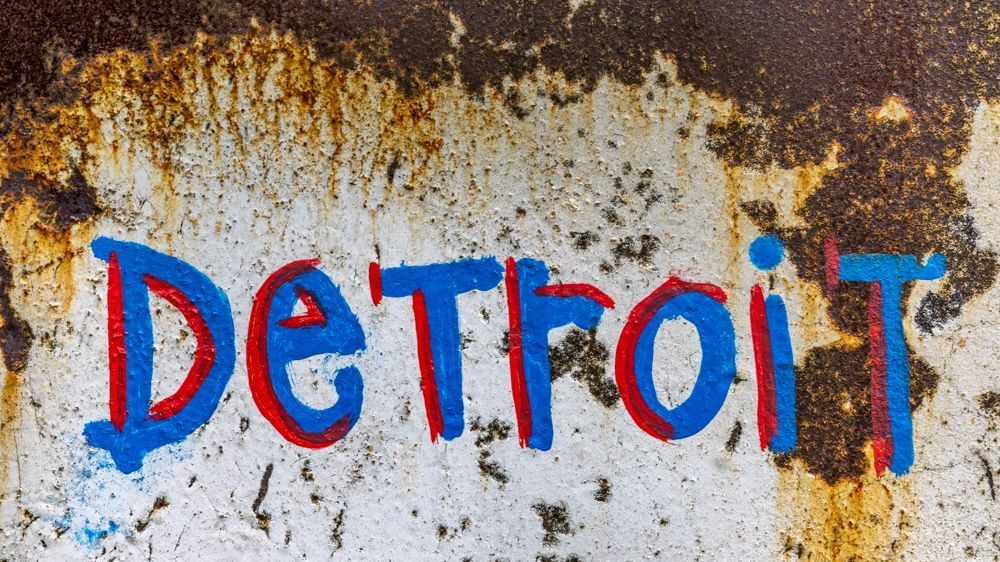
My next destination was the Heidelberg Project . This is an evolving open air art installation initiated over 30 years ago by Tyree Guyton. It resides in the neighborhood in which he grew up and started as an effort to redevelop the community from the inside out by embracing its diverse cultures and artistic attributes. He takes items that have been discarded and gives them new purpose by reimagining them as art. Since its inception, all of the art has been created by Tyree himself. It is slowly being transitioned into a community endeavor informed by the core principles of Art, Equity and Diversity. Again, I had been warned that this project was located in a sketchy neighborhood. However, I did not feel unsafe at all. In fact, the person sweeping up the streets turned out to be Tyree himself. It took a few exchanges but we finally had a conversation in which he clarified that he was the artist and asked me to be respectful as to how I used the images I was taking. I assured him I would, and that I would make sure to donate via the web page later in the day.
I then headed over to meet my friend S. for lunch in Downtown Detroit. I know S. from a couple of Art Wolfe workshops and was reminded by L. from Art’s staff that she lived in the Detroit area. While she did not have time to shoot with me, we had a nice time catching up over lunch. S. was actually responsible for suggesting most of today’s destinations as she had gathered the information for a workshop Art did in Detroit last year.
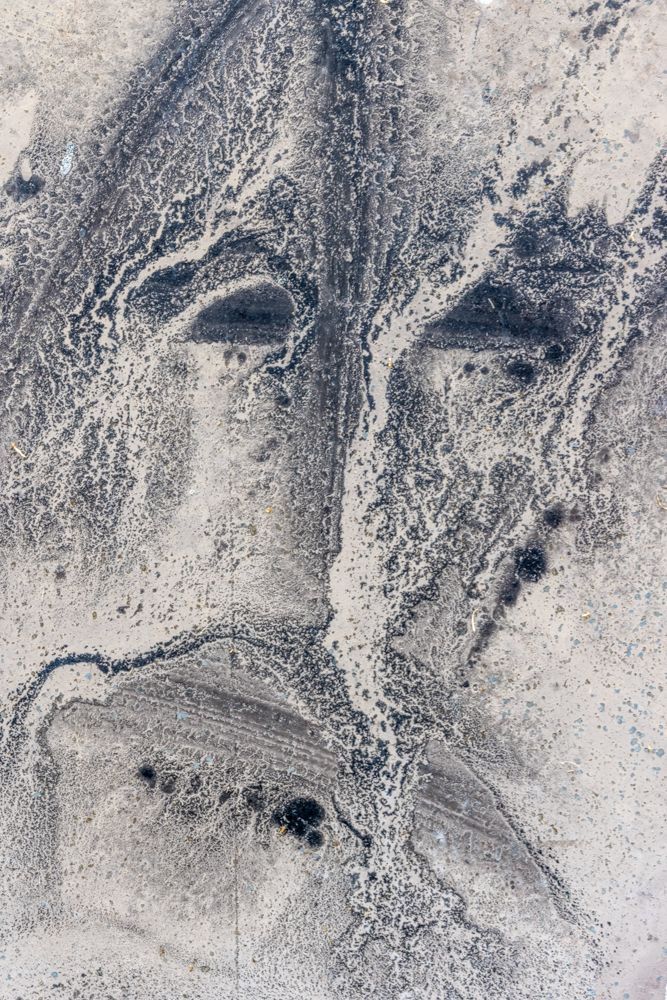
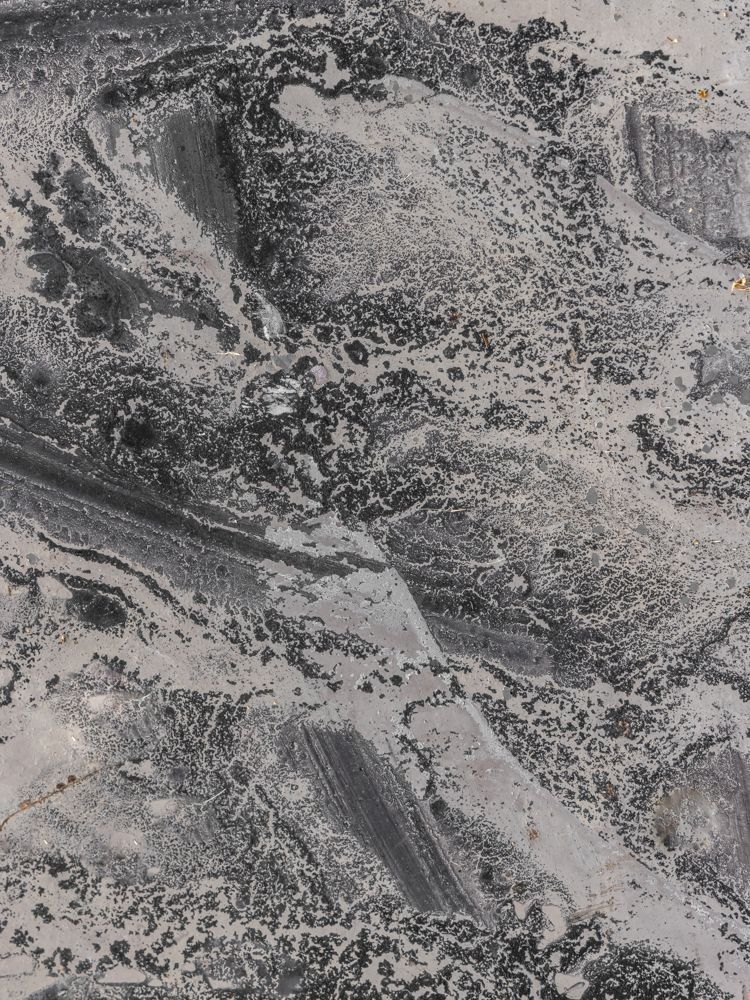
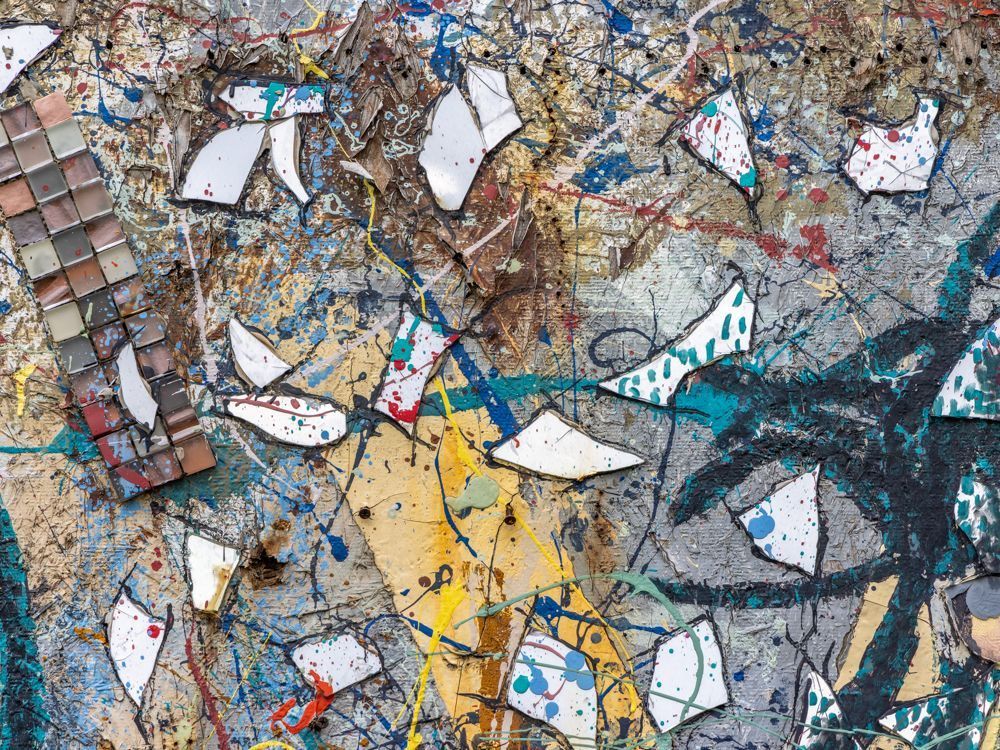
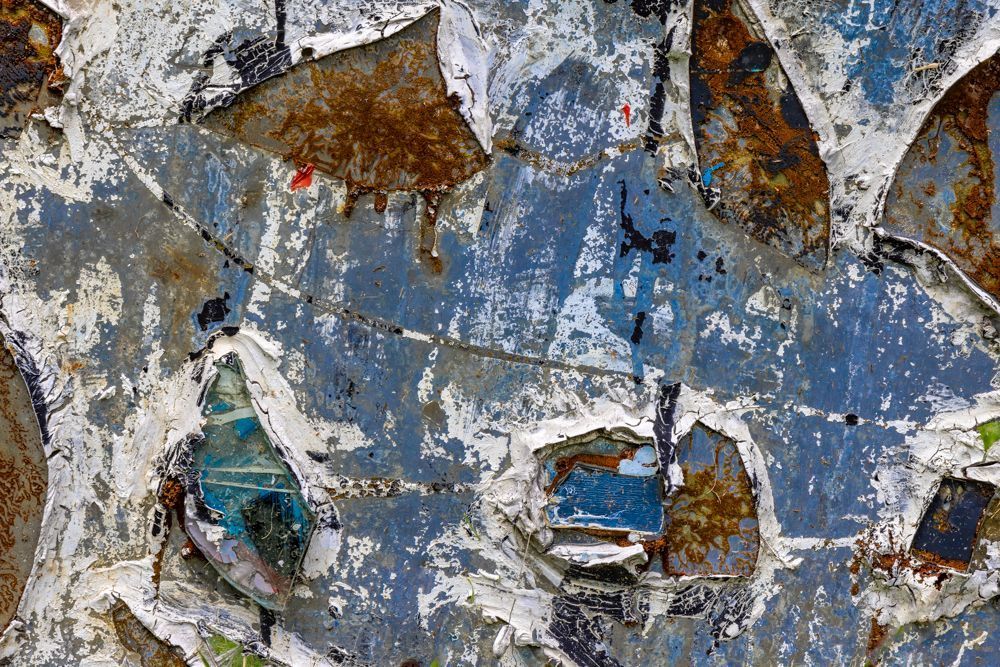
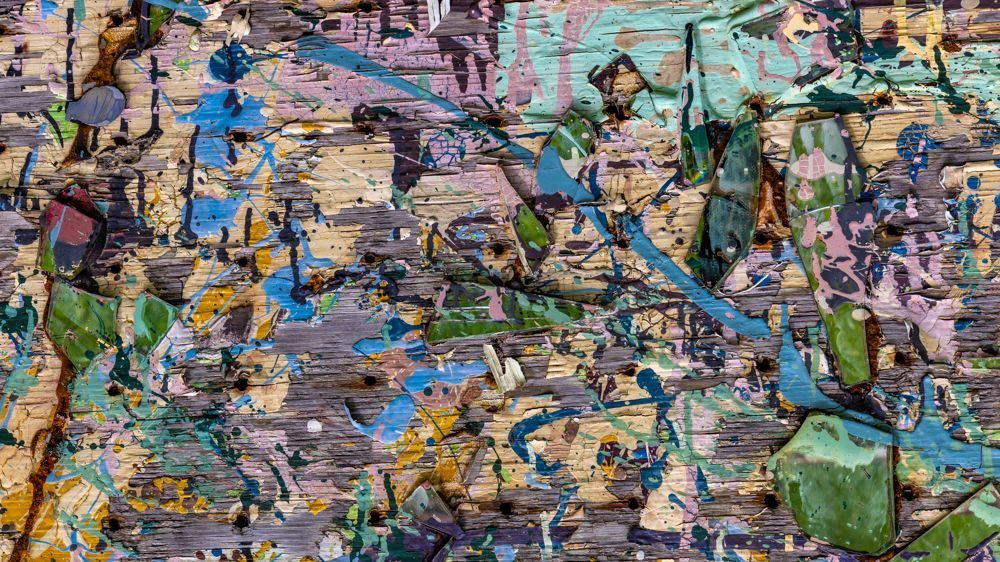
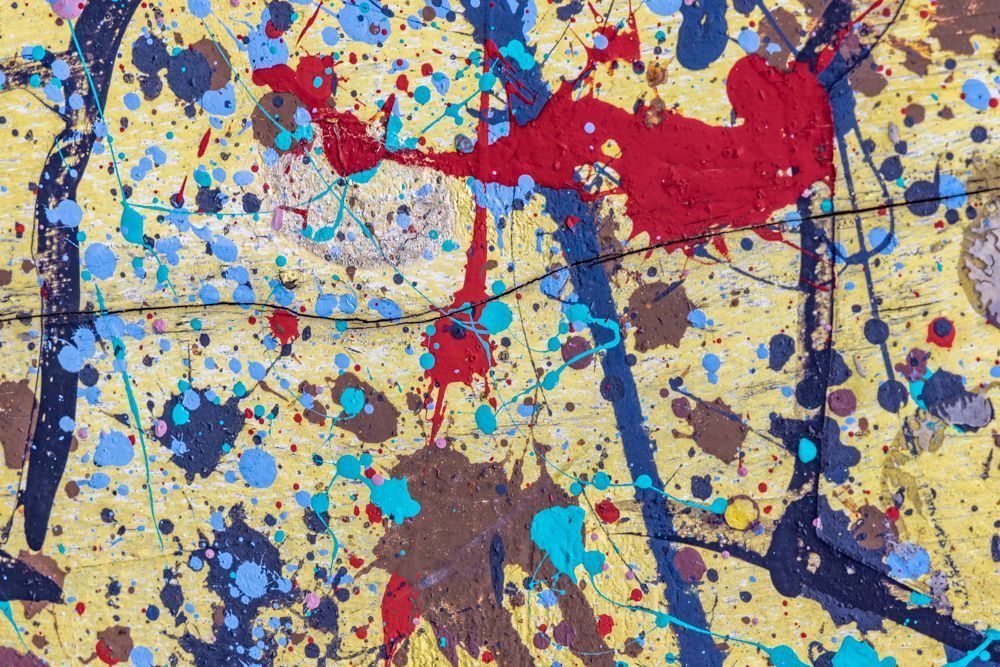
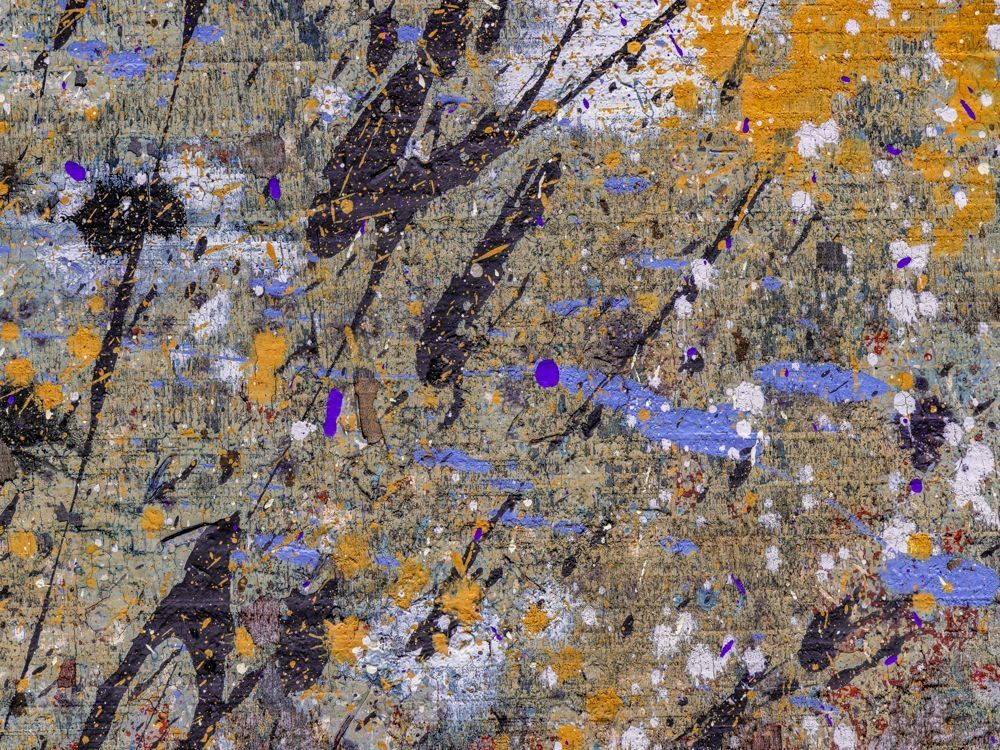
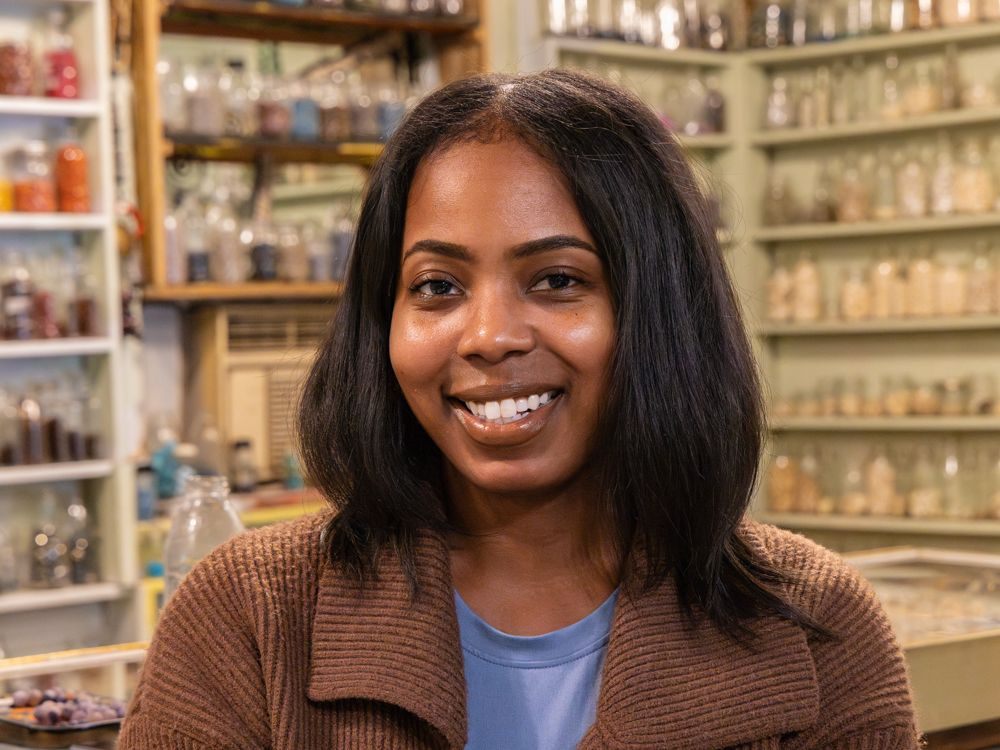
My final destination was the MBAD African bead museum . This place comprises both the small store, where an enormous variety of beads can be purchased, and the large outdoor venue housing the many art installations produced by the owner, Olayami Dabls. After spending some time photographing abstracts on the grounds I approached the front door of the bead store. Olayami’s daughter Aleki was just opening the shop and she welcomed me inside. We spoke for a while and got to know each other a bit. She also showed me her own boutique next door, where she sells a small selection of curated women’s clothing and accessories.
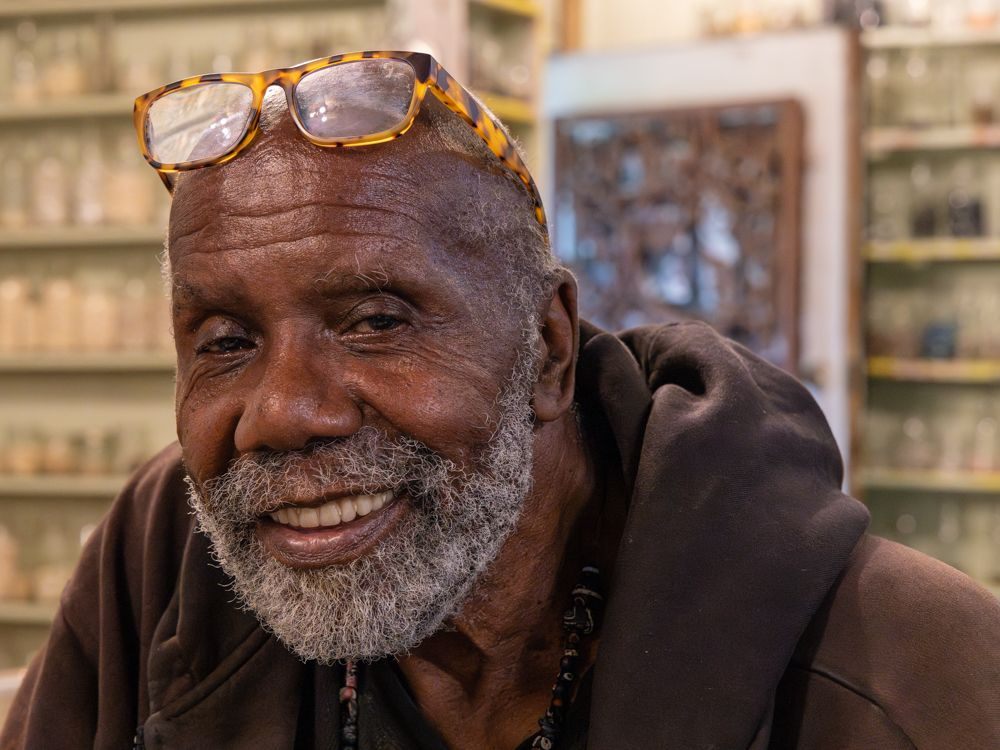
I asked if her father would be returning to the shop and she called him and mentioned that I would like to chat with him. Olayami made a point of returning early from his errands and we had a very interesting conversation. I asked him where he was originally from and he told me right here in Michigan. I wondered about his name then, and he told me he changed it himself from his given American name. He wanted to divest himself of his family name, in particular, as it could be traced back to the family who had enslaved his ancestors. He also told me that when he started in the bead business, he did not yet understand how humanity world-wide was connected by beads. Every culture uses some sort of beads as jewelry or decoration, be it rustic stones or polished pearls. This is what continues to draw people from all over the world to his shop. It was an interesting idea that I had not considered. I was very pleased to make the acquaintance of both Olayami and Aleki and very much enjoyed chatting with both of them. I came a way from the experience very much enriched.
For the first time in quite a while, additional images can be found in the Gallery .
Tomorrow I drive North again to visit the Upper Peninsula of Michigan.
I then took off for my first destination, Hamtramck Disneyland. Like several of my planned stops today, this is a folk art installation; a couple of them are in slightly sketchy neighborhoods. This one appeared to be a lower middle class, predominantly Muslim, neighborhood. Even though I had to walk down an alley to get to the art, I did not feel at all uncomfortable. Unfortunately, the installation was not as interesting as I might have hoped, and I could not get past the gates without calling for an appointment. The original artist has passed and the community is trying to preserve and restore the site. I decided to just move on to my next stop.
I drove into Downtown Detroit to view the Diego Rivera’s Detroit Industry Murals . They are housed within the Detroit Institute of Art Museum, in a courtyard that now is covered with a skylight. They were originally exposed to the elements, but Rivera’s technique of painting on wet plaster to bind the paint made them impervious and they remain vibrant and undamaged. I learned a lot about the mural from Jill and Alex, two of the many helpful docents in the museum. While the main panels depict scenes from the Ford Rouge Plant that I visited yesterday, a number of smaller panels address different topics.
Two of the most interesting were panels depicting “white” people related to limestone, “yellow” people related to sand, “red” people related to iron ore and “black” people related to coal. While that might seem on the surface to be blatantly racist, Rivera intended to convey a completely different idea, that all of these peoples were equal and had strong ties to the earth. The elemental substances are also the four main ingredients required for steel production. Another interesting panel depicts a baby enfolded in the bulb of a plant, with roots growing down to the earth. Apparently, during the time Rivera was painting this mural, Frieda Kahlo, who had traveled with him, suffered a miscarriage. The panel was originally intended to show a different scene and he changed it to honor her.
Several other interesting small panels show the administration of vaccines related to healthy cells contrasted with the production of noxious gases from industry related to diseased cells. A long panel over one end depicts a scene from Brazil, where Ford purchased a plantation of rubber trees, with the intention of producing cheap rubber for tires; apparently the venture was a financial failure. Rivera did a lot of research and put much thought into his murals, both in Detroit and in other places (there is one in San Francisco that I have viewed). They truly depict the state of humanity, as seen through the Industrial Revolution , at that time and in that place.
Alex had mentioned a special exhibit down the hall featuring a retrospective of Ghanian photographer James Barnor. Barnor worked both in Ghana and London and documented events leading from its status as the Gold Coast protectorate of Britain to its emergence as the independent Republic of Ghana. He also worked as a fashion photographer, elevating people of color at a time when most of the fashion industry celebrated people (mostly women) of European ancestry. When color film emerged, he developed specific techniques to correctly portray darker skin tones. It was a huge exhibit that I did not have time to fully appreciate. Nevertheless, I’m glad I took the time to visit it.
My next destination was the Heidelberg Project . This is an evolving open air art installation initiated over 30 years ago by Tyree Guyton. It resides in the neighborhood in which he grew up and started as an effort to redevelop the community from the inside out by embracing its diverse cultures and artistic attributes. He takes items that have been discarded and gives them new purpose by reimagining them as art. Since its inception, all of the art has been created by Tyree himself. It is slowly being transitioned into a community endeavor informed by the core principles of Art, Equity and Diversity. Again, I had been warned that this project was located in a sketchy neighborhood. However, I did not feel unsafe at all. In fact, the person sweeping up the streets turned out to be Tyree himself. It took a few exchanges but we finally had a conversation in which he clarified that he was the artist and asked me to be respectful as to how I used the images I was taking. I assured him I would, and that I would make sure to donate via the web page later in the day.
I then headed over to meet my friend S. for lunch in Downtown Detroit. I know S. from a couple of Art Wolfe workshops and was reminded by L. from Art’s staff that she lived in the Detroit area. While she did not have time to shoot with me, we had a nice time catching up over lunch. S. was actually responsible for suggesting most of today’s destinations as she had gathered the information for a workshop Art did in Detroit last year.
My final destination was the MBAD African bead museum . This place comprises both the small store, where an enormous variety of beads can be purchased, and the large outdoor venue housing the many art installations produced by the owner, Olayami Dabls. After spending some time photographing abstracts on the grounds I approached the front door of the bead store. Olayami’s daughter Aleki was just opening the shop and she welcomed me inside. We spoke for a while and got to know each other a bit. She also showed me her own boutique next door, where she sells a small selection of curated women’s clothing and accessories.
I asked if her father would be returning to the shop and she called him and mentioned that I would like to chat with him. Olayami made a point of returning early from his errands and we had a very interesting conversation. I asked him where he was originally from and he told me right here in Michigan. I wondered about his name then, and he told me he changed it himself from his given American name. He wanted to divest himself of his family name, in particular, as it could be traced back to the family who had enslaved his ancestors. He also told me that when he started in the bead business, he did not yet understand how humanity world-wide was connected by beads. Every culture uses some sort of beads as jewelry or decoration, be it rustic stones or polished pearls. This is what continues to draw people from all over the world to his shop. It was an interesting idea that I had not considered. I was very pleased to make the acquaintance of both Olayami and Aleki and very much enjoyed chatting with both of them. I came a way from the experience very much enriched.
For the first time in quite a while, additional images can be found in the Gallery .
Tomorrow I drive North again to visit the Upper Peninsula of Michigan.
61 photo galleries
50 States
- Big Sur
- Salinas
- Laguna Beach
- San Diego
- California
- Grand Canyon
- Sedona
- Utah
- Syracuse
- Moab
- Denver
- Manitou Springs
- Calhan
- Mesa Verde
- Los Alamos
- Santa Fe
- Carlsbad
- New Mexico
- Eureka Springs
- Little Rock
- Birmingham
- Jackson
- Lottie
- Ten Thousand Islands
- Jerome
- Savannah
- White
- Asheville
- Sandstone Falls
- Baltimore
- Timonium
- Maryland
- Berlin
- Milton
- Smyrna
- Ocean City
- Detroit
- Upper Peninsula of Michigan
- Michigan
- Herod
- Ozark
- Two Harbors
- Carlton
- Madison County
- Oakley
- Valentine
- South Dakota
- United States
- Yellowstone National Park
- Lima
- Idaho
- Port Townsend
- Lincoln City
- Newport
- San Francisco