Cincinnati
I started this morning with a visit to the Underground Railroad Freedom Center . I was disappointed that their main exhibit - From Slavery to Freedom - was closed for repair. While it certainly contained similar information to what I received at other centers, it would have been nice to see their take on it. Nevertheless, I availed myself of the rest of the center. What was most interesting were the films and exhibits concentrating on local historical events.
Because Ohio was a free state and Kentucky a slave state, the Ohio river was a common route for conductors to escort slaves seeking freedom Northward to Canada. Two men were key to this endeavor, Reverend John Rankin and John Parker , a former slave who had bought his freedom. Their efforts were highlighted in a short film, Brothers of the Borderland, narrated by Oprah Winfrey.
The Center also has exhibits exploring the various faces of modern day slavery , still occurring world-wide. This in spite of the fact that Slavery has been outlawed world-wide since 1981. Modern slavery is less visible and can take many forms. Five major forms of slavery occur around the world, in which the enslaved face deception and the threat of physical, mental or emotional abuse. Defining characteristics are that victims are either forced to work against their will or are prevented from leaving the situation. The general categories are: forced labor, bonded or debt labor, sex slavery, child slavery and domestic servitude. A 2012 report on Ohio’s sex trade reveals that human exploitation exists right under our noses. I have to imagine that the Ohio report can be extended to much of the U.S..
The center also has an exhibit that highlights the role of implicit bias in racism . The exhibit is interactive, inviting the visitor to take an Implicit Association Test (IAT) to recognize and identify the unconscious biases that each of us harbors. The brave reader can take the same test on-line.
During my visit to The Freedom Center, I met Jeremy, a young man visiting from Canada. He is a university student and is also driving around the U.S., doing a slightly abbreviated version of my trip. We got to chatting and he let me know of a tour he had signed up for in the afternoon, The Ultimate Queen City Underground tour. It sounded interesting, so I went ahead and signed up. This turned out to be a fortuitous decision.
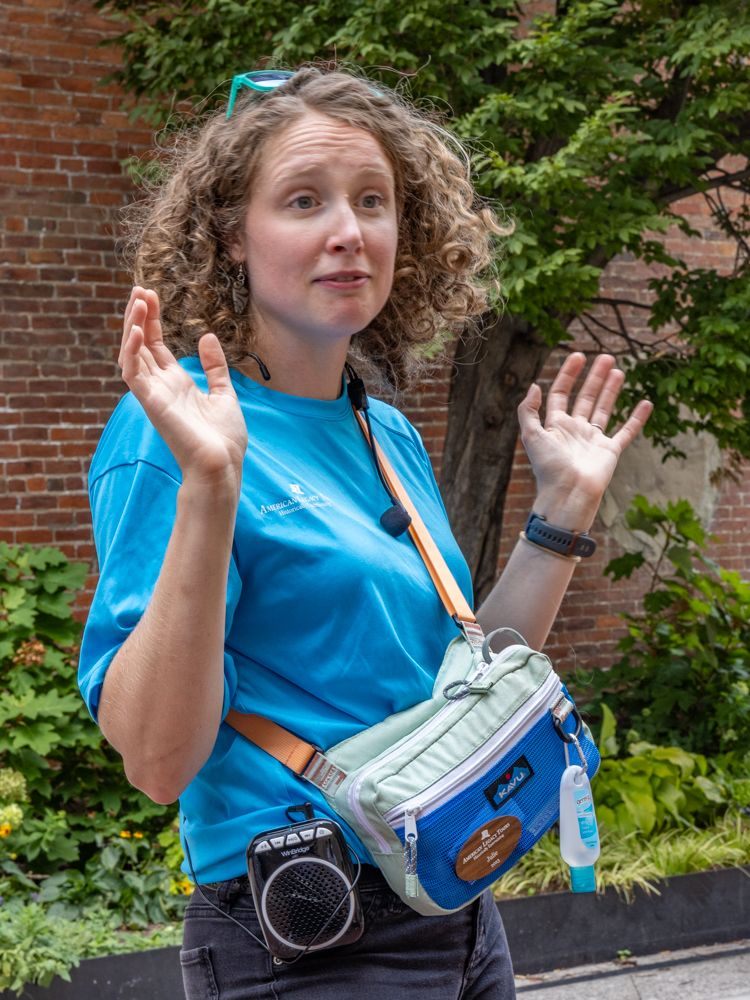
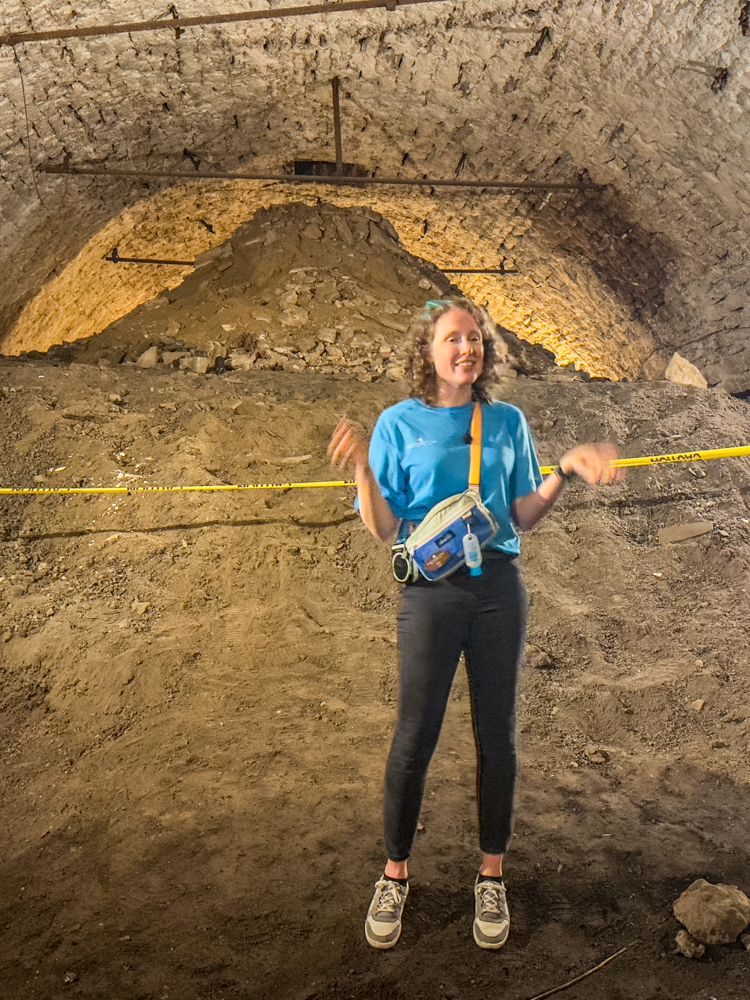
The two hour tour, including both street-level and underground portions, was led by Julie, a young women whose German ancestors had settled in Cincinnati five generations ago. Julie was extremely knowledgeable, enthusiastic and well-spoken. The two hours went by in a flash and we learned a lot. The tour concentrates on the Over-the-Rine neighborhood, originally settled by German immigrants in the mid-19th century. Many walked to work across bridges over the Miami and Erie Canal (since paved-over), which separated the area from downtown Cincinnati. The canal was nicknamed "the Rhine" in reference to the river Rhine in Germany, and the newly settled area north of the canal as "Over-the-Rhine.”
It is most intact urban historic district in the United States, boasting many original buildings. For many years this was a thriving community, known for its arts scene and it was the fifth largest city in the westward expanding U.S. A main industry and commodity was beer, and the city housed a plethora of both breweries and pubs. Two factors contributed to a collapse of this once thriving neighborhood, post WWII attitudes towards the predominantly German population and prohibition, which decimated an economy largely dependent on the production and consumption of beer. Over the last decade, urban renewal and revitalization efforts have begun to address the problems that come with low employment and high crime rates and the neighborhood is once again beginning to thrive, replete with shops and restaurants.
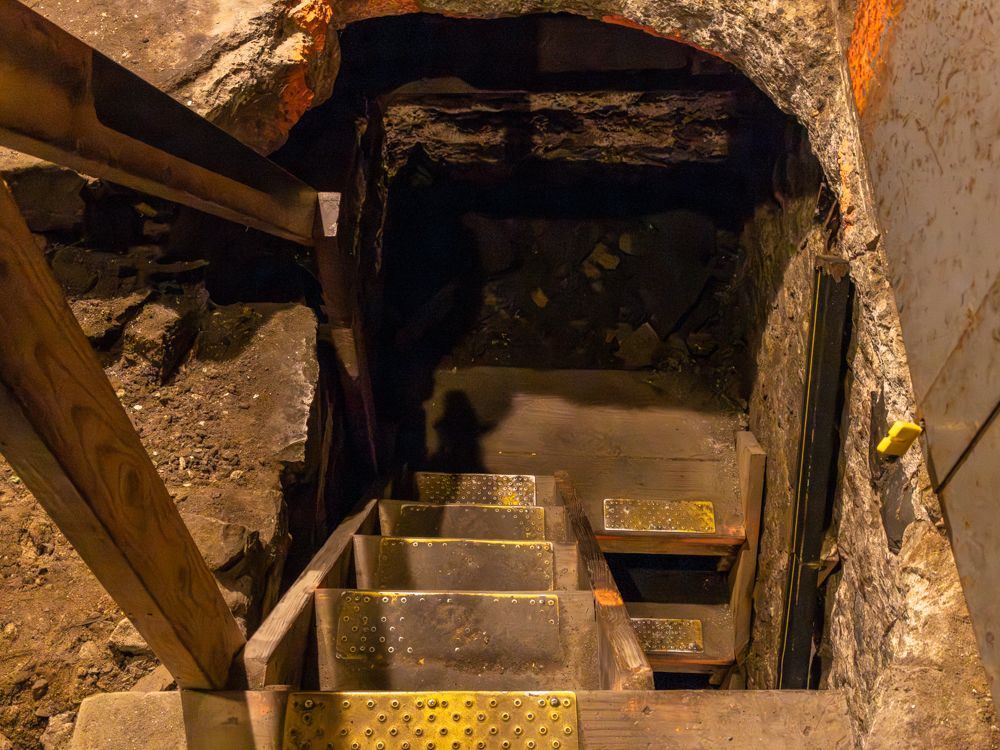
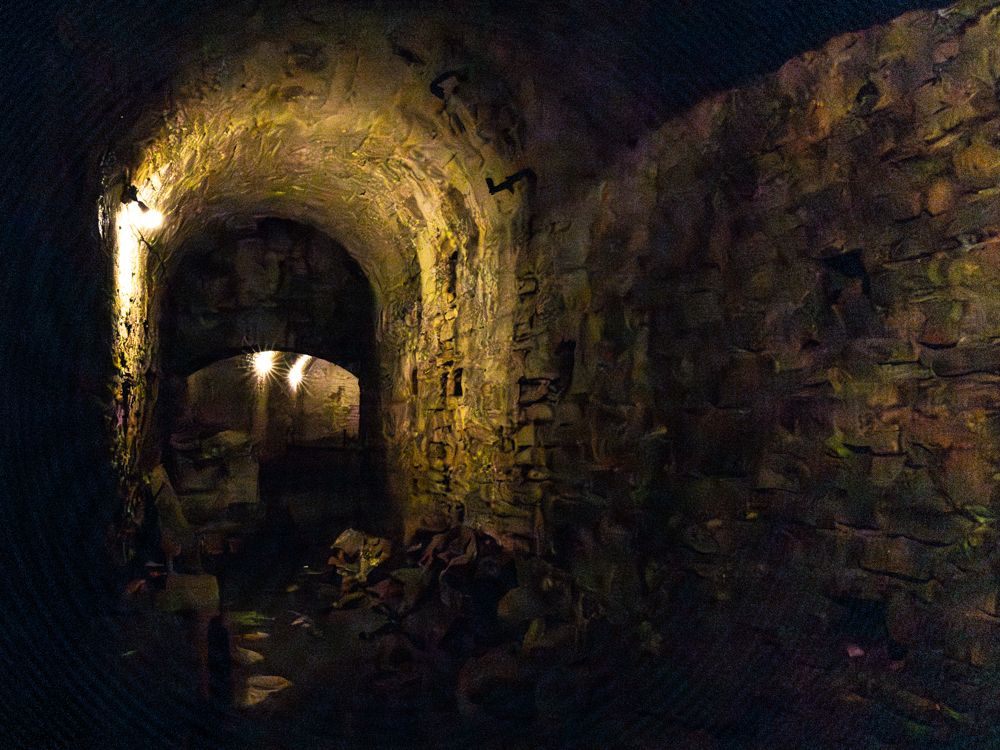
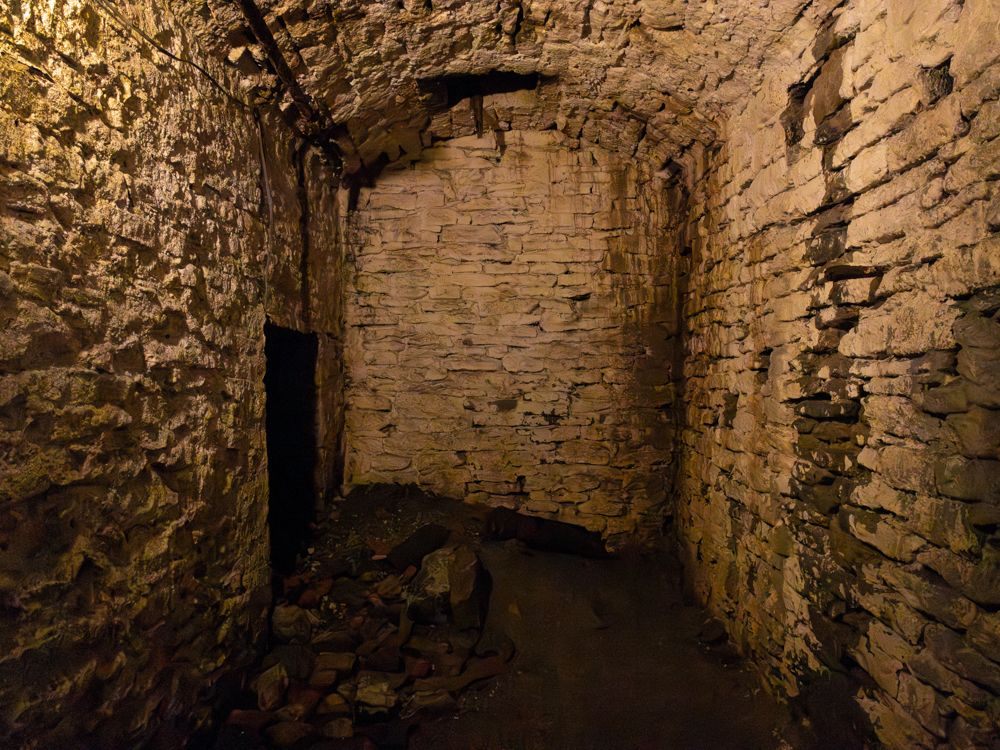
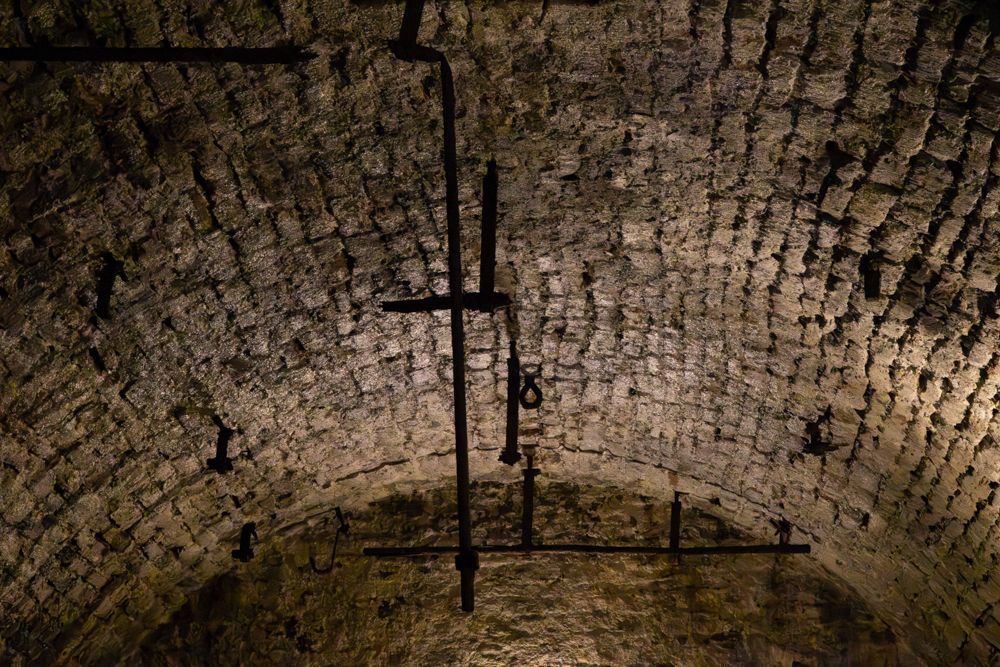
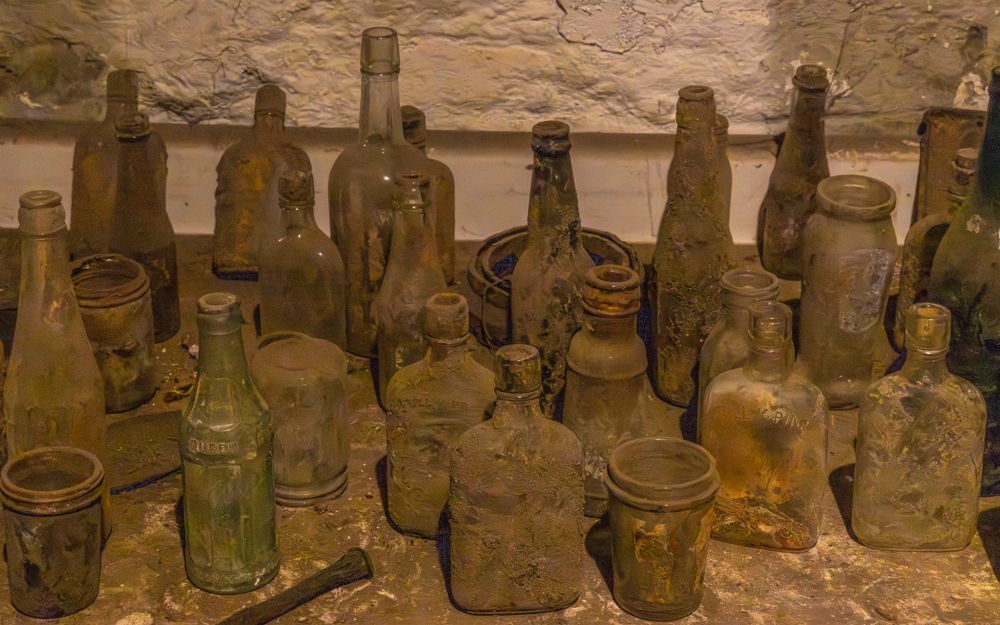
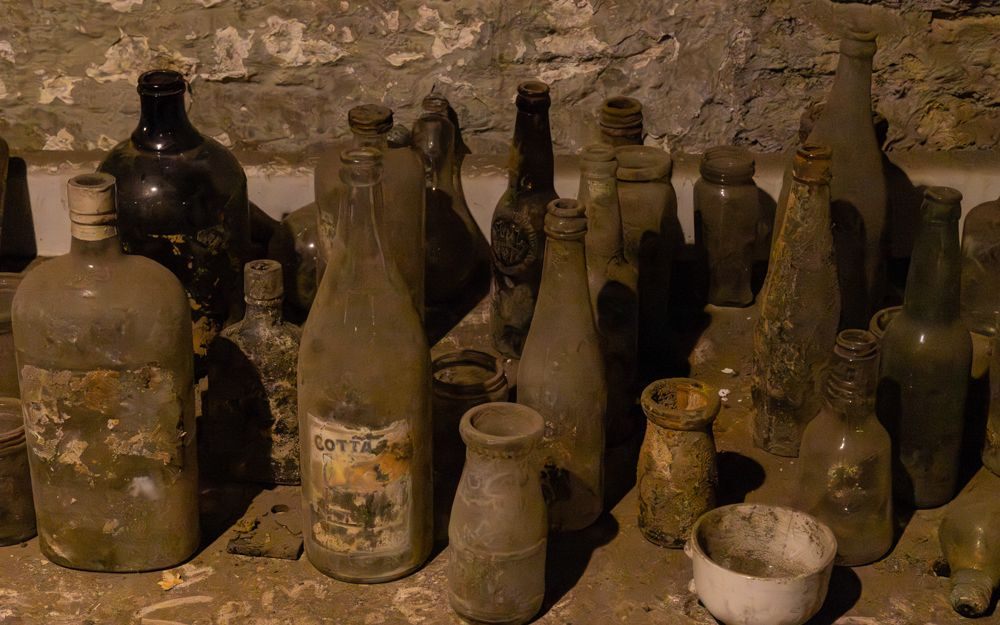
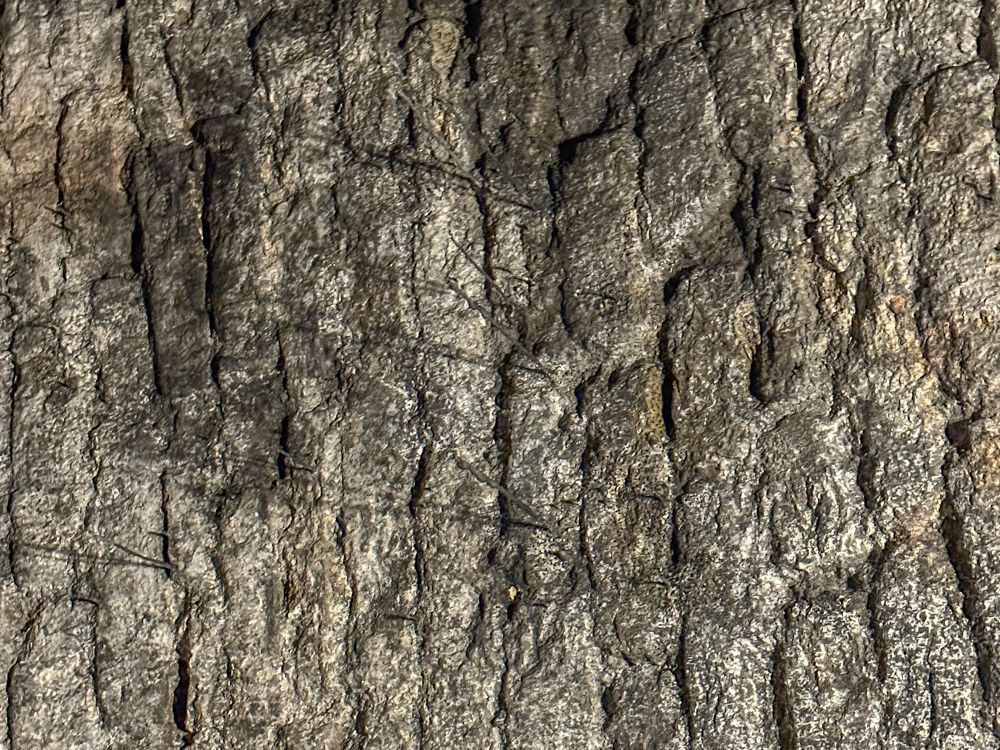
The most interesting part of our tour took us underground to excavated tunnels that once played an important role in the city’s brewing industry. This was once the brewery of John Kauffman , rediscovered accidentally when the person who purchased the property above it began to investigate the original blueprints. We saw the tunnels, the remnants of hydraulic lifts, and vents to release the carbon dioxide produced by brewing. Julie also pointed out nascent limestone stalactites growing down from the ceiling.
As a final update on my lens, Canon completed the repair in one business day and was able to follow the if-then instructions to return it to me here in Cincinnati. I picked it up when I briefly returned to my hotel for lunch in-between my two outings. I remain impressed.
Tomorrow I will visit a couple of Cincinnati art galleries.
Because Ohio was a free state and Kentucky a slave state, the Ohio river was a common route for conductors to escort slaves seeking freedom Northward to Canada. Two men were key to this endeavor, Reverend John Rankin and John Parker , a former slave who had bought his freedom. Their efforts were highlighted in a short film, Brothers of the Borderland, narrated by Oprah Winfrey.
The Center also has exhibits exploring the various faces of modern day slavery , still occurring world-wide. This in spite of the fact that Slavery has been outlawed world-wide since 1981. Modern slavery is less visible and can take many forms. Five major forms of slavery occur around the world, in which the enslaved face deception and the threat of physical, mental or emotional abuse. Defining characteristics are that victims are either forced to work against their will or are prevented from leaving the situation. The general categories are: forced labor, bonded or debt labor, sex slavery, child slavery and domestic servitude. A 2012 report on Ohio’s sex trade reveals that human exploitation exists right under our noses. I have to imagine that the Ohio report can be extended to much of the U.S..
The center also has an exhibit that highlights the role of implicit bias in racism . The exhibit is interactive, inviting the visitor to take an Implicit Association Test (IAT) to recognize and identify the unconscious biases that each of us harbors. The brave reader can take the same test on-line.
During my visit to The Freedom Center, I met Jeremy, a young man visiting from Canada. He is a university student and is also driving around the U.S., doing a slightly abbreviated version of my trip. We got to chatting and he let me know of a tour he had signed up for in the afternoon, The Ultimate Queen City Underground tour. It sounded interesting, so I went ahead and signed up. This turned out to be a fortuitous decision.
The two hour tour, including both street-level and underground portions, was led by Julie, a young women whose German ancestors had settled in Cincinnati five generations ago. Julie was extremely knowledgeable, enthusiastic and well-spoken. The two hours went by in a flash and we learned a lot. The tour concentrates on the Over-the-Rine neighborhood, originally settled by German immigrants in the mid-19th century. Many walked to work across bridges over the Miami and Erie Canal (since paved-over), which separated the area from downtown Cincinnati. The canal was nicknamed "the Rhine" in reference to the river Rhine in Germany, and the newly settled area north of the canal as "Over-the-Rhine.”
It is most intact urban historic district in the United States, boasting many original buildings. For many years this was a thriving community, known for its arts scene and it was the fifth largest city in the westward expanding U.S. A main industry and commodity was beer, and the city housed a plethora of both breweries and pubs. Two factors contributed to a collapse of this once thriving neighborhood, post WWII attitudes towards the predominantly German population and prohibition, which decimated an economy largely dependent on the production and consumption of beer. Over the last decade, urban renewal and revitalization efforts have begun to address the problems that come with low employment and high crime rates and the neighborhood is once again beginning to thrive, replete with shops and restaurants.
The most interesting part of our tour took us underground to excavated tunnels that once played an important role in the city’s brewing industry. This was once the brewery of John Kauffman , rediscovered accidentally when the person who purchased the property above it began to investigate the original blueprints. We saw the tunnels, the remnants of hydraulic lifts, and vents to release the carbon dioxide produced by brewing. Julie also pointed out nascent limestone stalactites growing down from the ceiling.
As a final update on my lens, Canon completed the repair in one business day and was able to follow the if-then instructions to return it to me here in Cincinnati. I picked it up when I briefly returned to my hotel for lunch in-between my two outings. I remain impressed.
Tomorrow I will visit a couple of Cincinnati art galleries.
61 photo galleries
50 States
- Big Sur
- Salinas
- Laguna Beach
- San Diego
- California
- Grand Canyon
- Sedona
- Utah
- Syracuse
- Moab
- Denver
- Manitou Springs
- Calhan
- Mesa Verde
- Los Alamos
- Santa Fe
- Carlsbad
- New Mexico
- Eureka Springs
- Little Rock
- Birmingham
- Jackson
- Lottie
- Ten Thousand Islands
- Jerome
- Savannah
- White
- Asheville
- Sandstone Falls
- Baltimore
- Timonium
- Maryland
- Berlin
- Milton
- Smyrna
- Ocean City
- Detroit
- Upper Peninsula of Michigan
- Michigan
- Herod
- Ozark
- Two Harbors
- Carlton
- Madison County
- Oakley
- Valentine
- South Dakota
- United States
- Yellowstone National Park
- Lima
- Idaho
- Port Townsend
- Lincoln City
- Newport
- San Francisco