Charleston
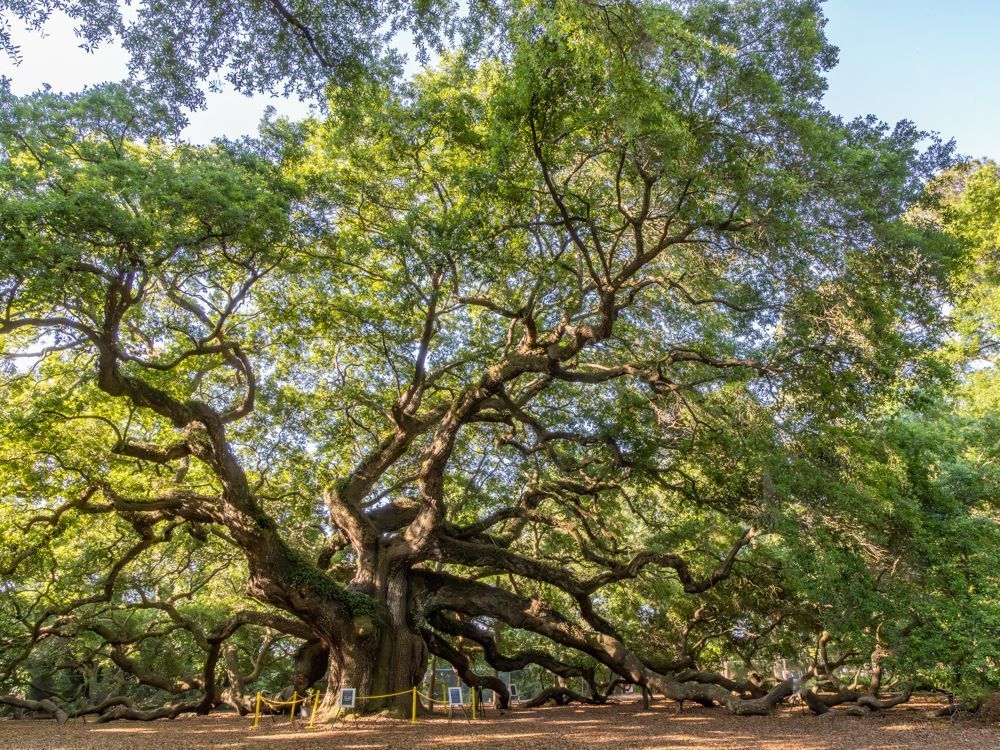
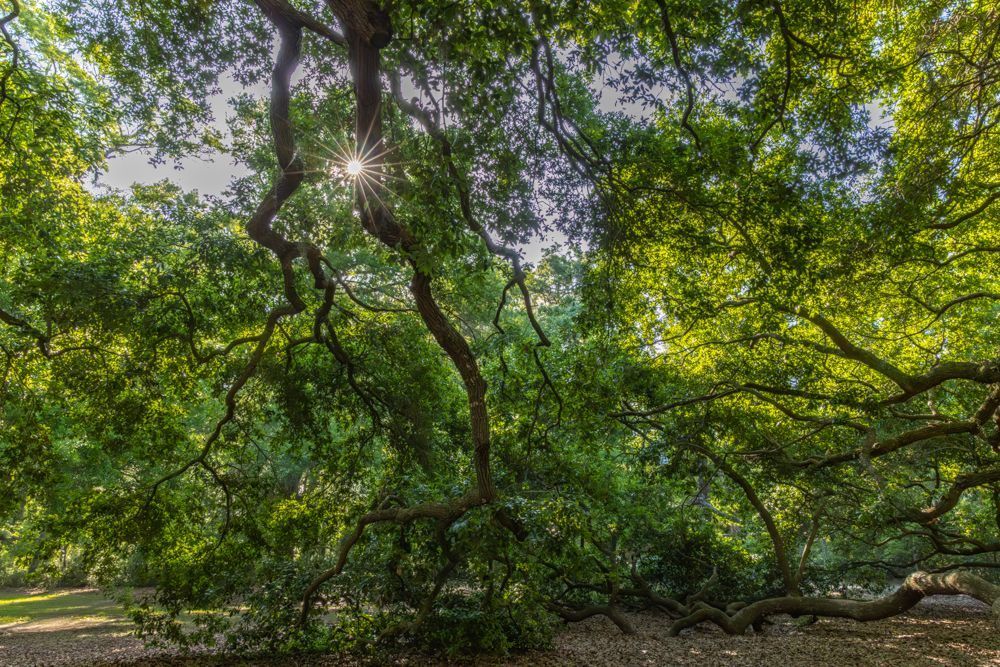
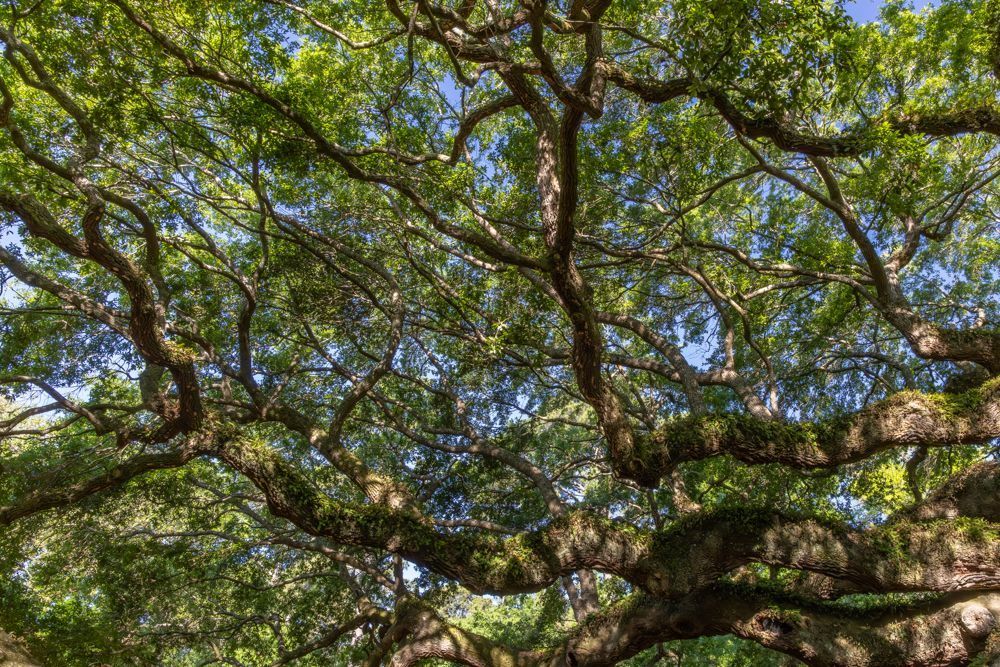
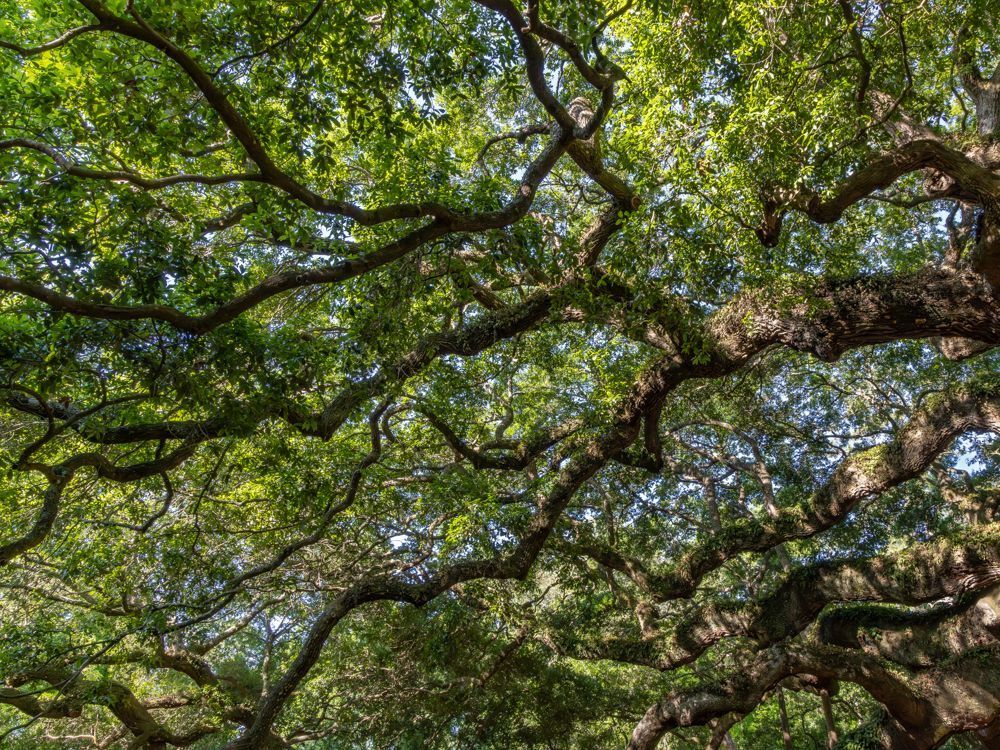
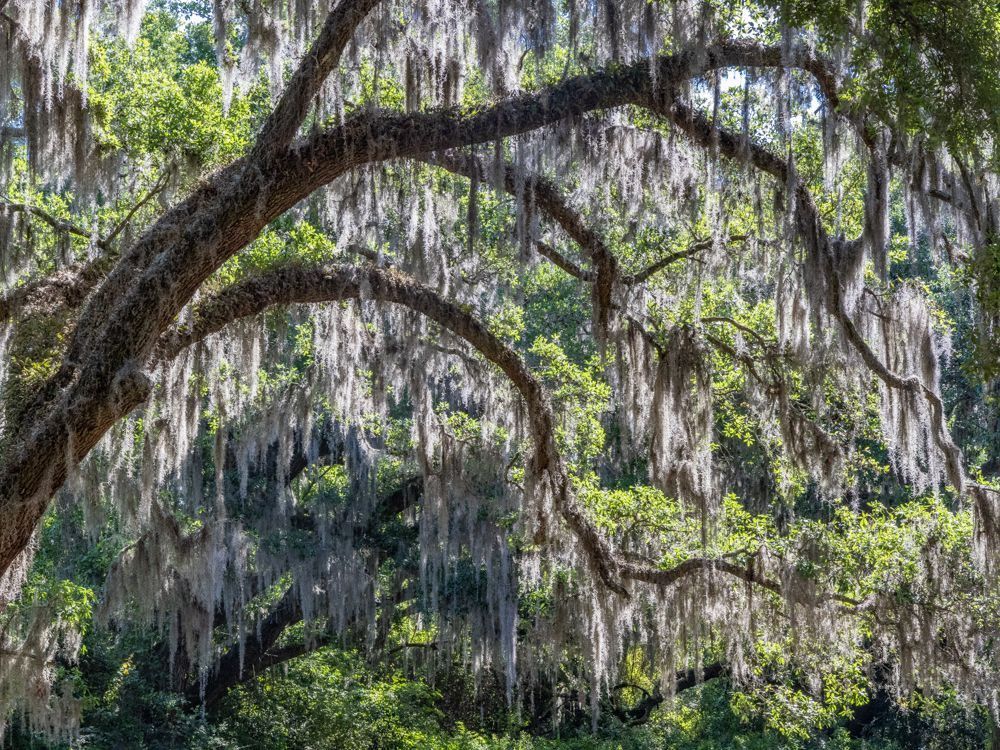
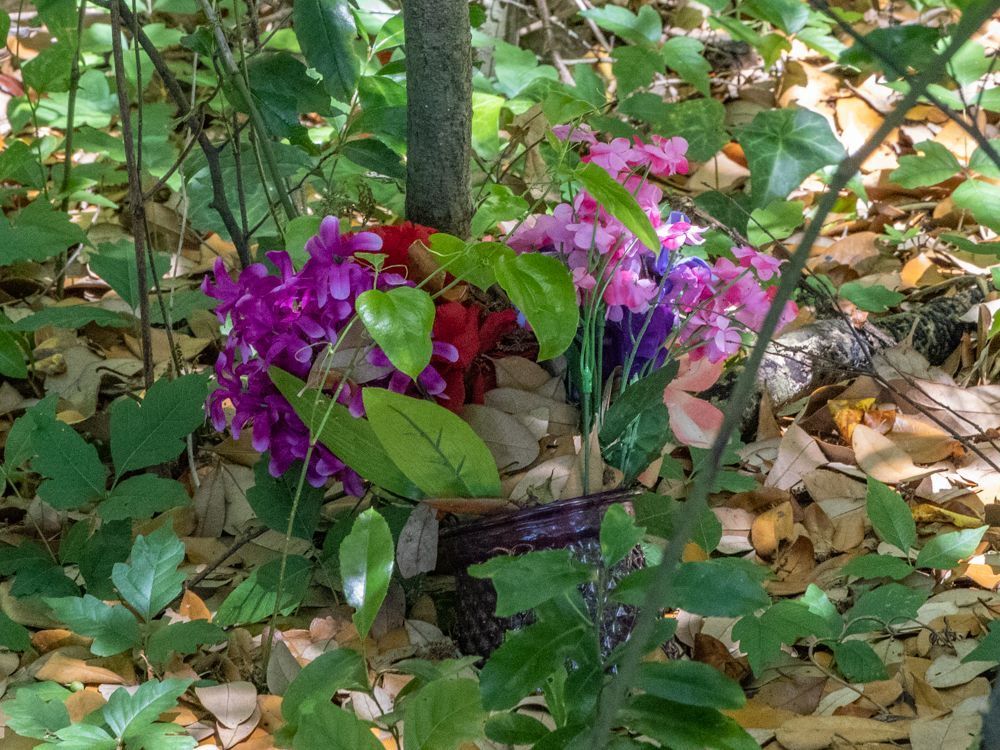
I started this morning with a quick visit to Angel Oak . This tree is thought to be the largest Live Oak Tree east of the Mississippi and is estimated to be 300 to 400 years old. As with all sites like this, it is difficult to work around the really ugly barriers meant to contain the crowds.
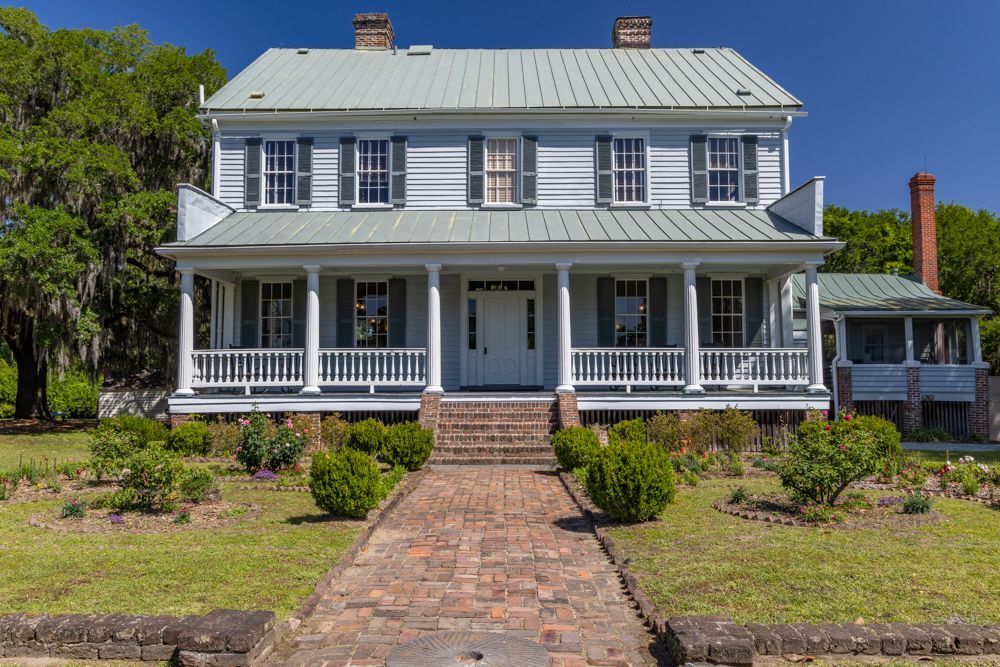
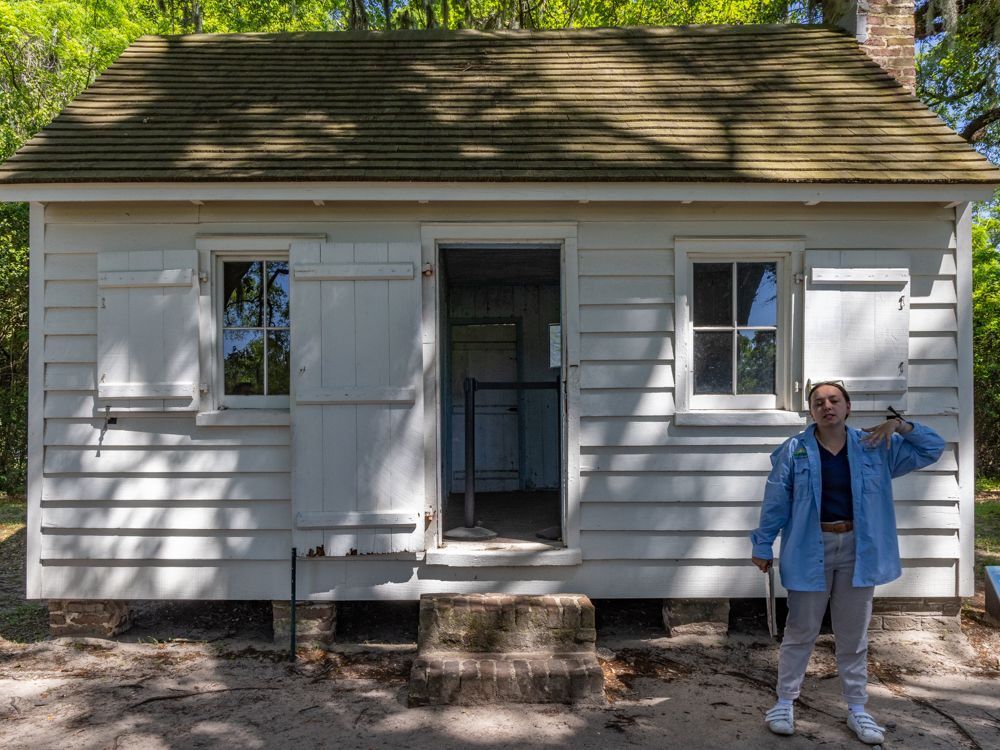
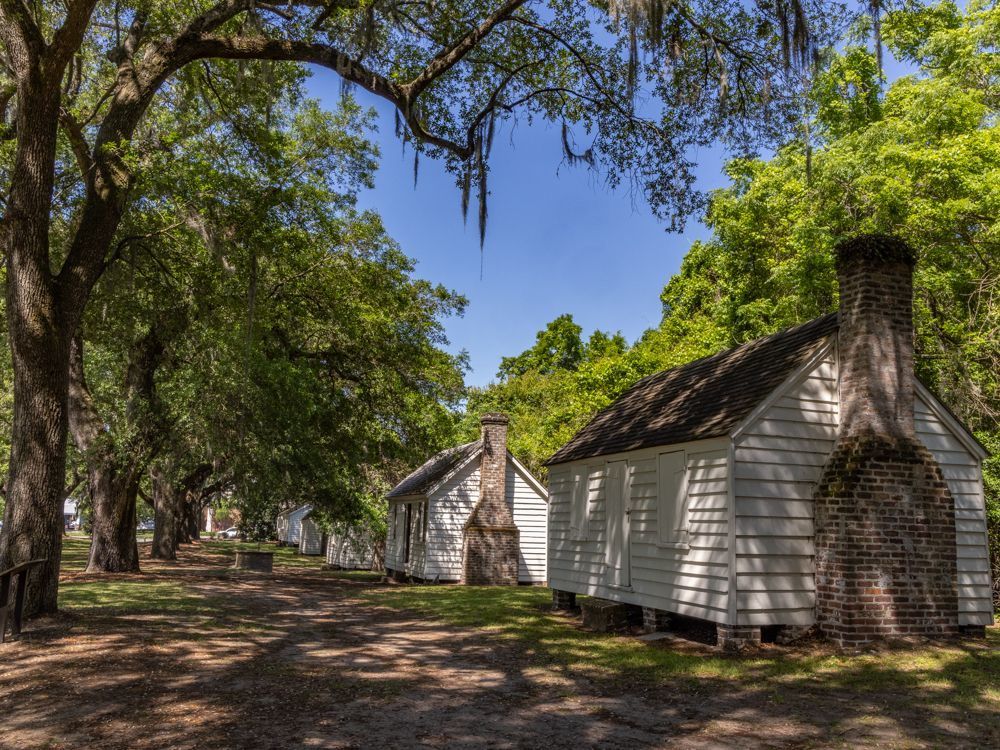
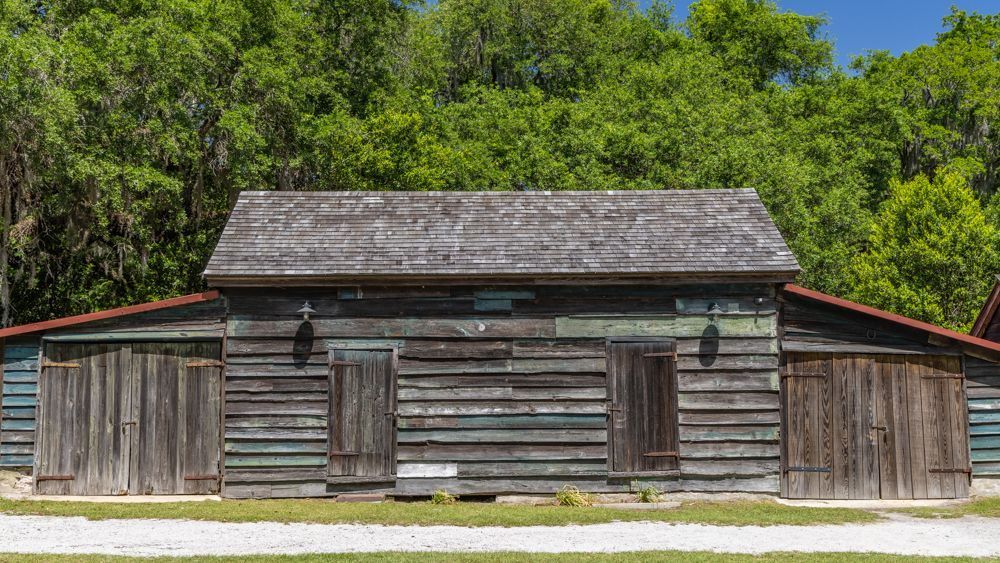
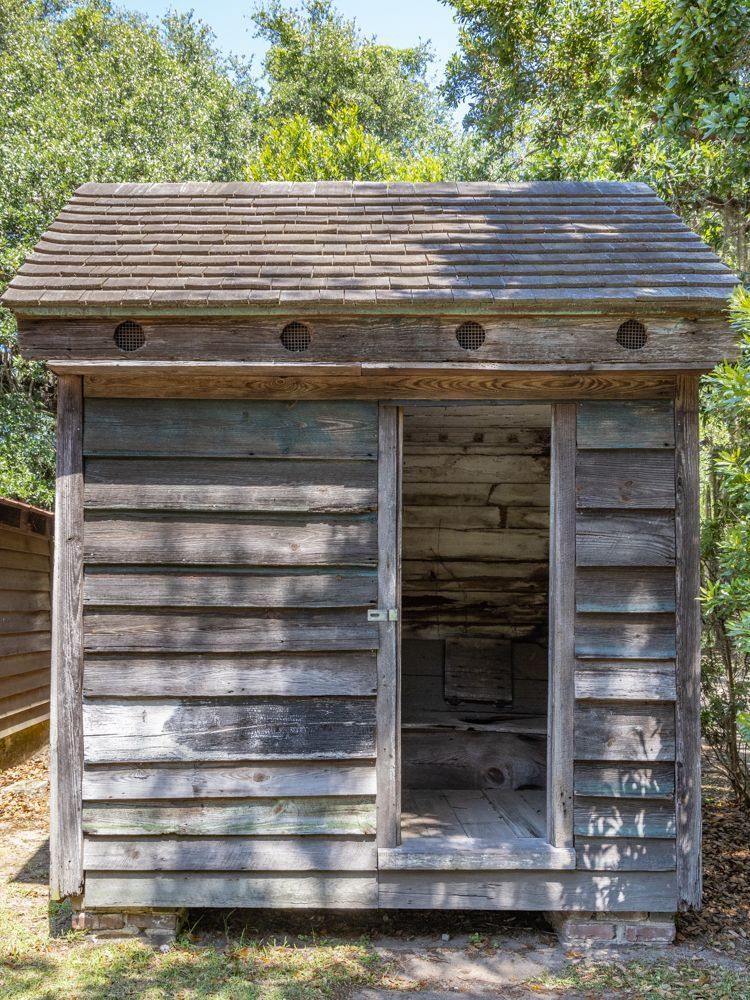
I then headed over to McCloud Plantation . This plantation is currently under the control of Parks and Recreation. They have restored parts of it, but, more importantly, they have done, and continue to do, research into both the McCloud family and, importantly, the slaves they owned. Kat, our guide, gave a very informative 90 minute tour that detailed the history of the plantation and many of the details of the slaves and their families. The last man who had been a slave, and still lived in a small house on the property, was forced out only in the 1990s. Apparently one of the reasons he insisted on staying as long as he did is that his infant daughter was buried behind the house. His family was closely intertwined with the McClouds as his daughter was brought back to care for the last man of the McCloud family before he died in 1990. This is only one of the many stories we heard about the people who worked the plantation.
We learned a lot about the cotton that was grown on this plantation, and on many of the Southern barrier islands. Sea Island cotton is very different from upland cotton, both in its growing requirements and habits, as well as the cotton it produces. The plants, originally brought by the British from Latin America or the Caribbean (depending on the information source), not only thrived, but required the long hot humid growing season found in this part of the country. The stalks are tall and singular in contrast to the carpet of bolls typical of upland cotton. Importantly, the fibers are much longer, requiring far more manual intervention in the ginning process. The long silky fibers are far more valuable than upland cotton as they produce a fabric that is similar to silk and highly valued. At the time, Queen Victoria of England purchased almost all the product produced, which also contributed to the very high price of the fiber. In 1855, when upland cotton was going for about 30 cents a pound, each bale of Sea Island cotton was worth as much as 120 dollars a pound.
In the 1920s, the Boll Weevil was introduced from Mexico and began to decimate the U.S. cotton crop, one of our major exports. It, along with the coincident emancipation of slaves around the same time, was responsible for the effective end of commercial Sea Island cotton production. This in turn was a major factor in the downfall of the plantations that completely depended on cotton as a commercial crop. Sea Island cotton is now grown in South Carolina only for education and research. A small amount of Sea Island hybrid cotton is grown for commercial production in other areas of the country. It is still highly prized.
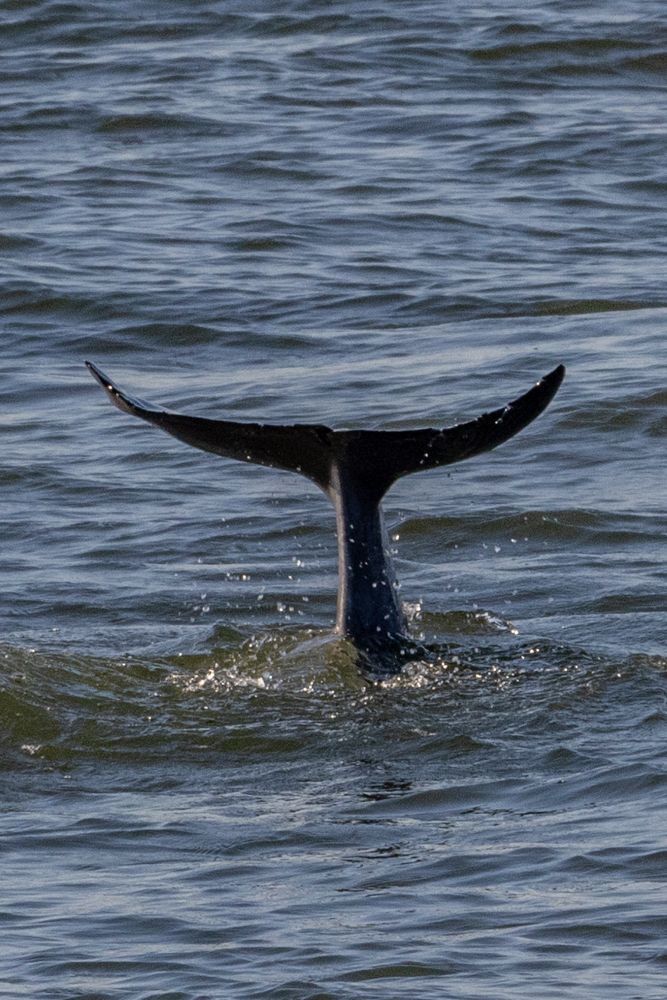
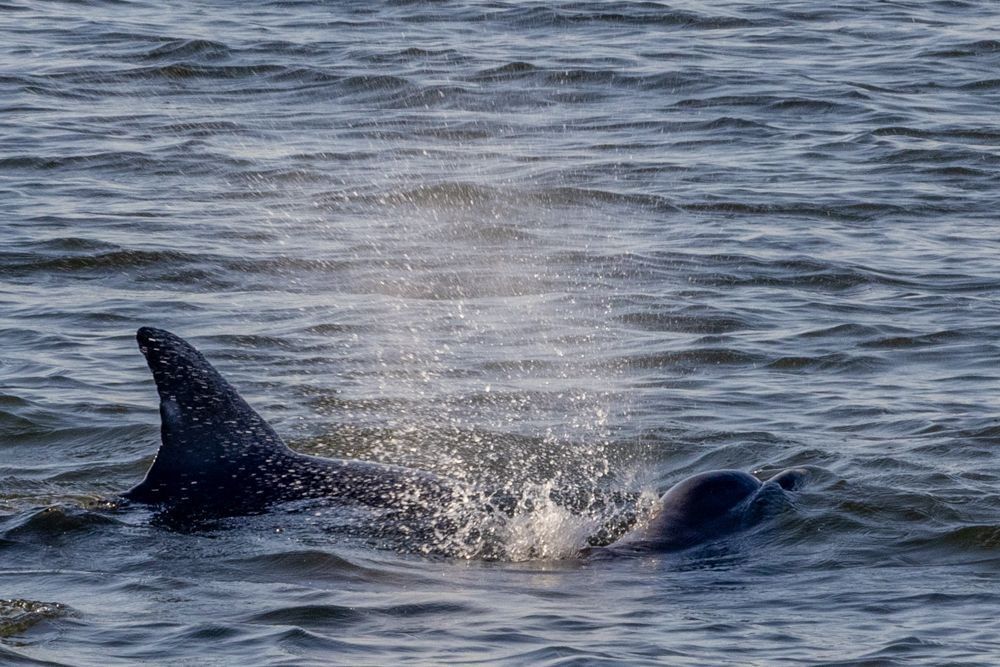
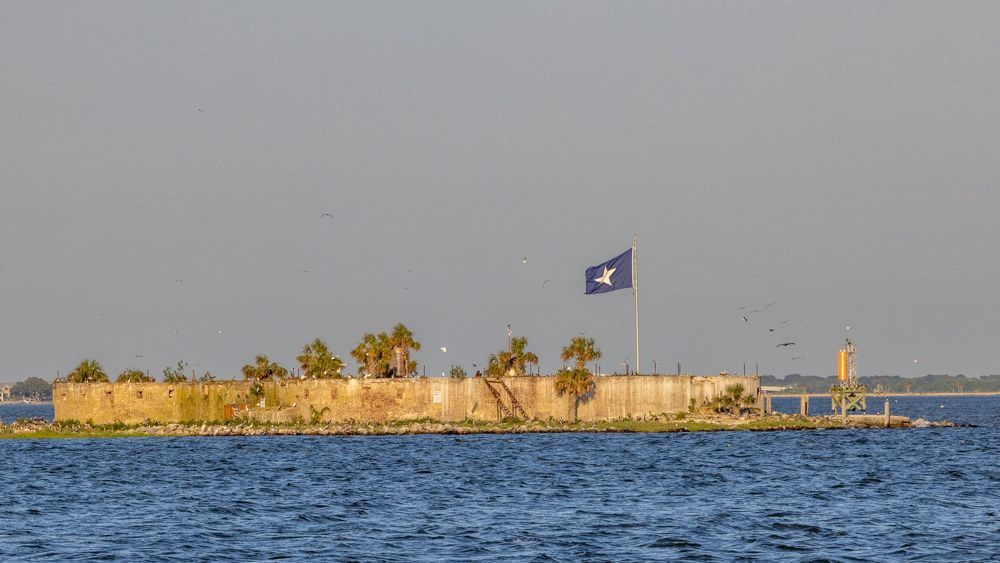
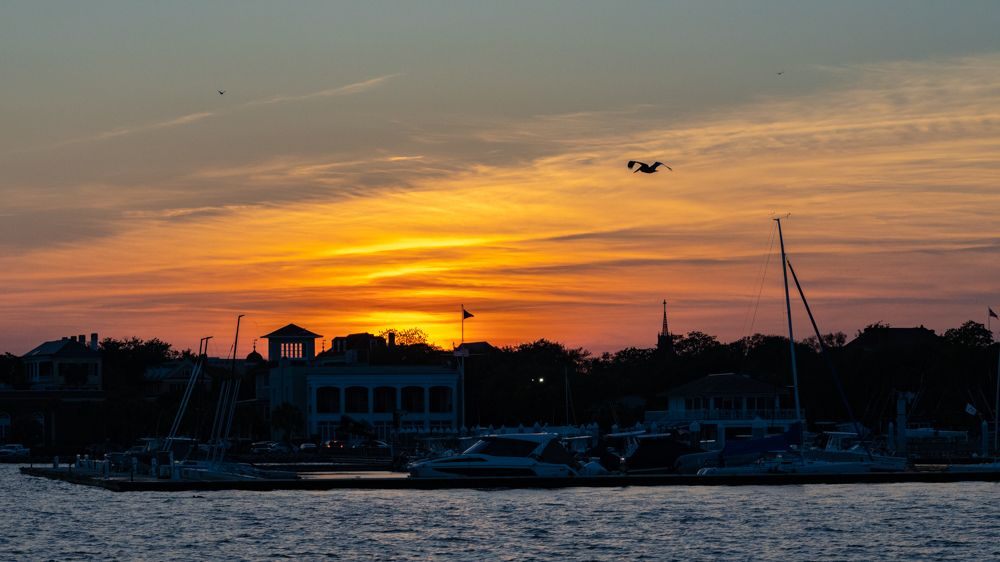
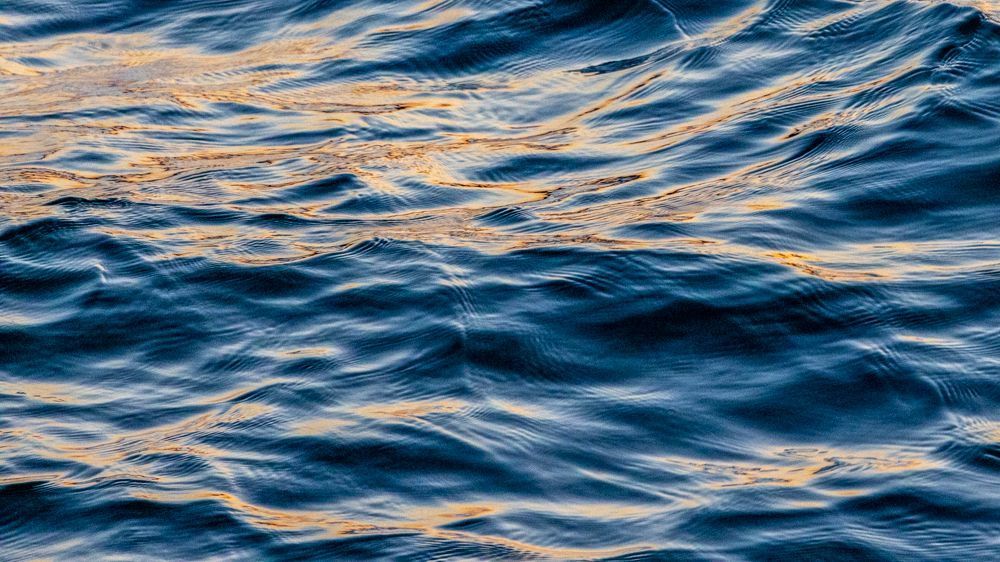
This evening I took a sunset cruise with Charleston Sailing adventures . I was not sure how this outing would go and it turned out to be a pleasant surprise. Our group was small - only seven people, all very friendly and chill. Ray, our captain and Christian, our mate were great sailors and made the two hours on Prevailing Winds, their catamaran very fun and relaxing. It was a mundane sunset, but we saw lots of dolphins, and some of the boat preparing for races the next day.
I have not yet decided exactly what I will do tomorrow, my last full day in Charleston.
I then headed over to McCloud Plantation . This plantation is currently under the control of Parks and Recreation. They have restored parts of it, but, more importantly, they have done, and continue to do, research into both the McCloud family and, importantly, the slaves they owned. Kat, our guide, gave a very informative 90 minute tour that detailed the history of the plantation and many of the details of the slaves and their families. The last man who had been a slave, and still lived in a small house on the property, was forced out only in the 1990s. Apparently one of the reasons he insisted on staying as long as he did is that his infant daughter was buried behind the house. His family was closely intertwined with the McClouds as his daughter was brought back to care for the last man of the McCloud family before he died in 1990. This is only one of the many stories we heard about the people who worked the plantation.
We learned a lot about the cotton that was grown on this plantation, and on many of the Southern barrier islands. Sea Island cotton is very different from upland cotton, both in its growing requirements and habits, as well as the cotton it produces. The plants, originally brought by the British from Latin America or the Caribbean (depending on the information source), not only thrived, but required the long hot humid growing season found in this part of the country. The stalks are tall and singular in contrast to the carpet of bolls typical of upland cotton. Importantly, the fibers are much longer, requiring far more manual intervention in the ginning process. The long silky fibers are far more valuable than upland cotton as they produce a fabric that is similar to silk and highly valued. At the time, Queen Victoria of England purchased almost all the product produced, which also contributed to the very high price of the fiber. In 1855, when upland cotton was going for about 30 cents a pound, each bale of Sea Island cotton was worth as much as 120 dollars a pound.
In the 1920s, the Boll Weevil was introduced from Mexico and began to decimate the U.S. cotton crop, one of our major exports. It, along with the coincident emancipation of slaves around the same time, was responsible for the effective end of commercial Sea Island cotton production. This in turn was a major factor in the downfall of the plantations that completely depended on cotton as a commercial crop. Sea Island cotton is now grown in South Carolina only for education and research. A small amount of Sea Island hybrid cotton is grown for commercial production in other areas of the country. It is still highly prized.
This evening I took a sunset cruise with Charleston Sailing adventures . I was not sure how this outing would go and it turned out to be a pleasant surprise. Our group was small - only seven people, all very friendly and chill. Ray, our captain and Christian, our mate were great sailors and made the two hours on Prevailing Winds, their catamaran very fun and relaxing. It was a mundane sunset, but we saw lots of dolphins, and some of the boat preparing for races the next day.
I have not yet decided exactly what I will do tomorrow, my last full day in Charleston.
61 photo galleries
50 States
- Big Sur
- Salinas
- Laguna Beach
- San Diego
- California
- Grand Canyon
- Sedona
- Utah
- Syracuse
- Moab
- Denver
- Manitou Springs
- Calhan
- Mesa Verde
- Los Alamos
- Santa Fe
- Carlsbad
- New Mexico
- Eureka Springs
- Little Rock
- Birmingham
- Jackson
- Lottie
- Ten Thousand Islands
- Jerome
- Savannah
- White
- Asheville
- Sandstone Falls
- Baltimore
- Timonium
- Maryland
- Berlin
- Milton
- Smyrna
- Ocean City
- Detroit
- Upper Peninsula of Michigan
- Michigan
- Herod
- Ozark
- Two Harbors
- Carlton
- Madison County
- Oakley
- Valentine
- South Dakota
- United States
- Yellowstone National Park
- Lima
- Idaho
- Port Townsend
- Lincoln City
- Newport
- San Francisco