Birmingham
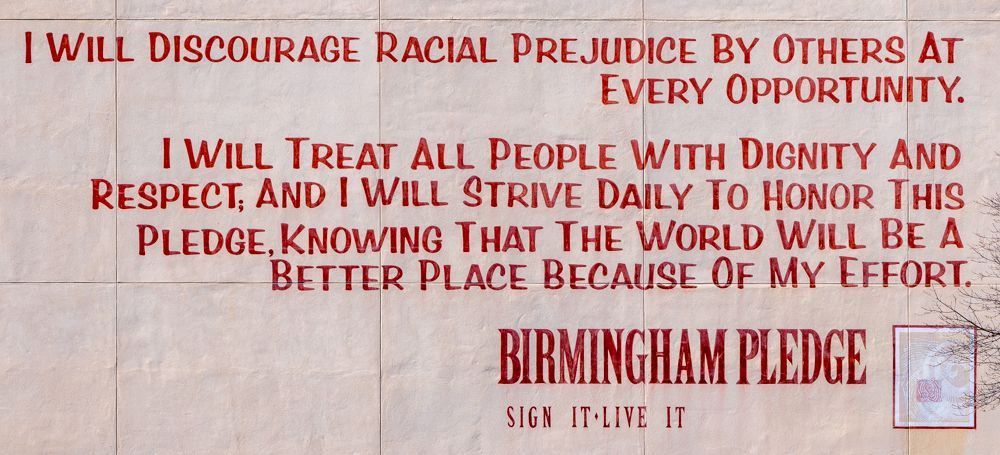
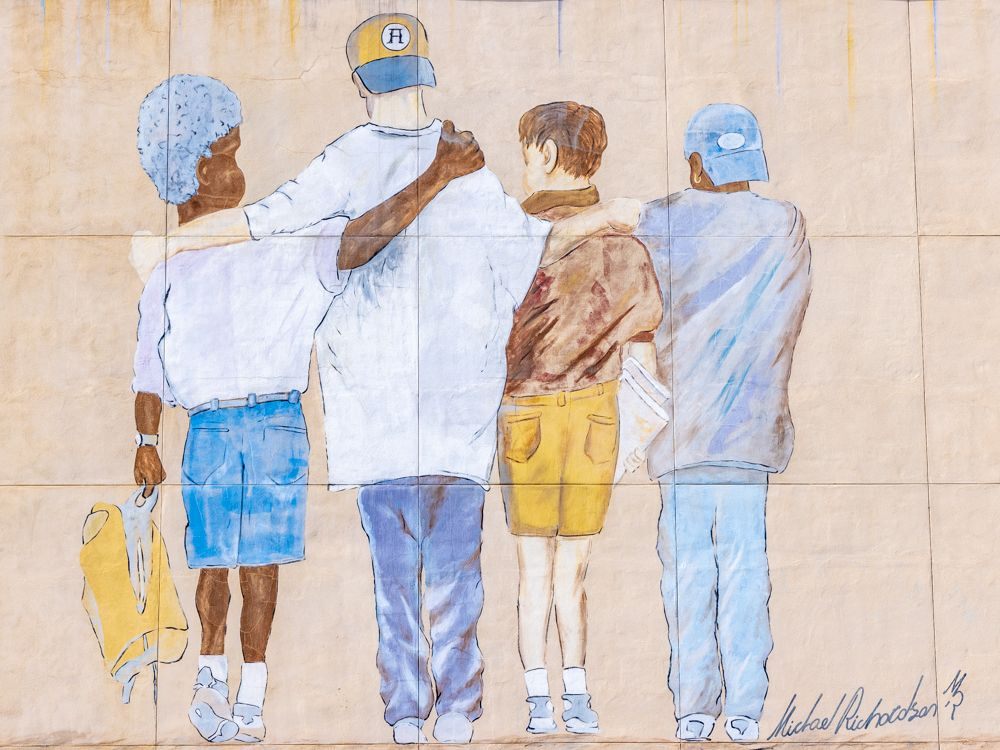
I began the day with the requisite visit to the Birmingham Civil Rights Institute . As many of these as I visit, they are all a bit different, both in content and approach. The BCRI eschews the high tech AV and interactive exhibits. Instead it relies on life size reproductions of both work and living spaces, as well as plaster statures of people. The timelines are simple printed plaques on the walls. Various events from other local are reprised (e.g. the March on Washington, including the I have a dream speech, the Little Rock nine education incident, and of course the Memphis assassination of Dr. Martin Luther King). Not surprisingly, the Selma marches are highlighted as they occurred in Alabama. This institute also documents human rights abuses in other parts of the world in a final exhibit.
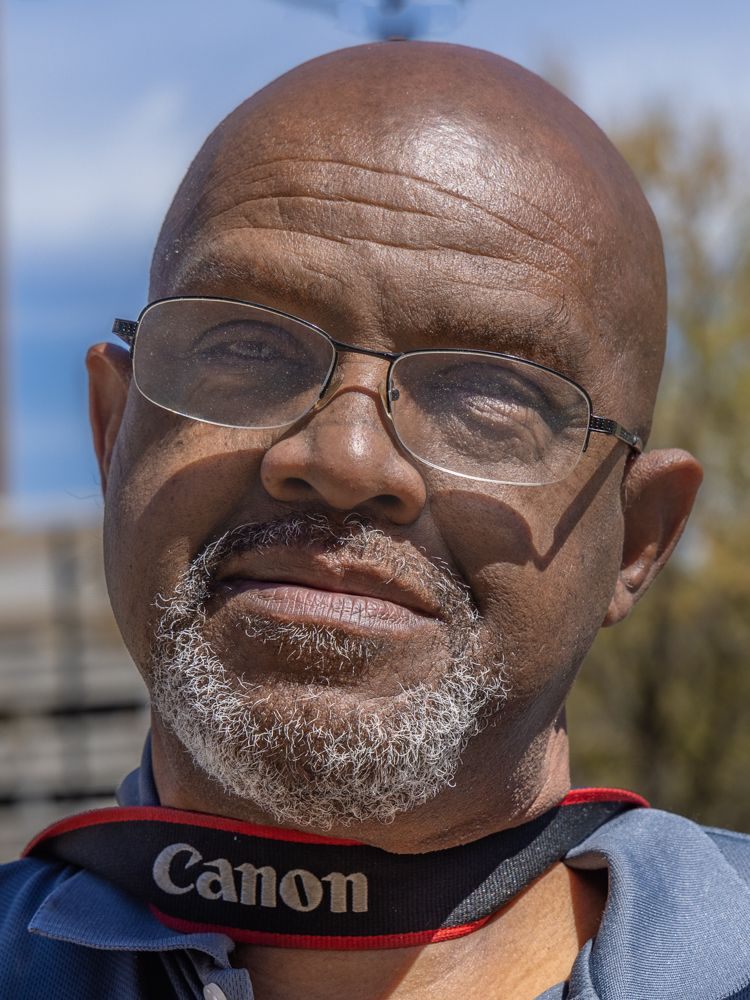
As I was leaving the Institute, I saw a gentlemen sitting outside with cameras hanging around his neck. I sat down next to him, and it did not take but a moment for him to start explaining his current mission in life. Henry Miles (using his full name with his permission) was at one time the Mayor of Akron, AL. He and his wife are now working on expanding the civil rights trail. He offered to be in touch with me when his project is further along. Conversing with Henry was an appropriate punctuation mark to my visit to the BCRI.
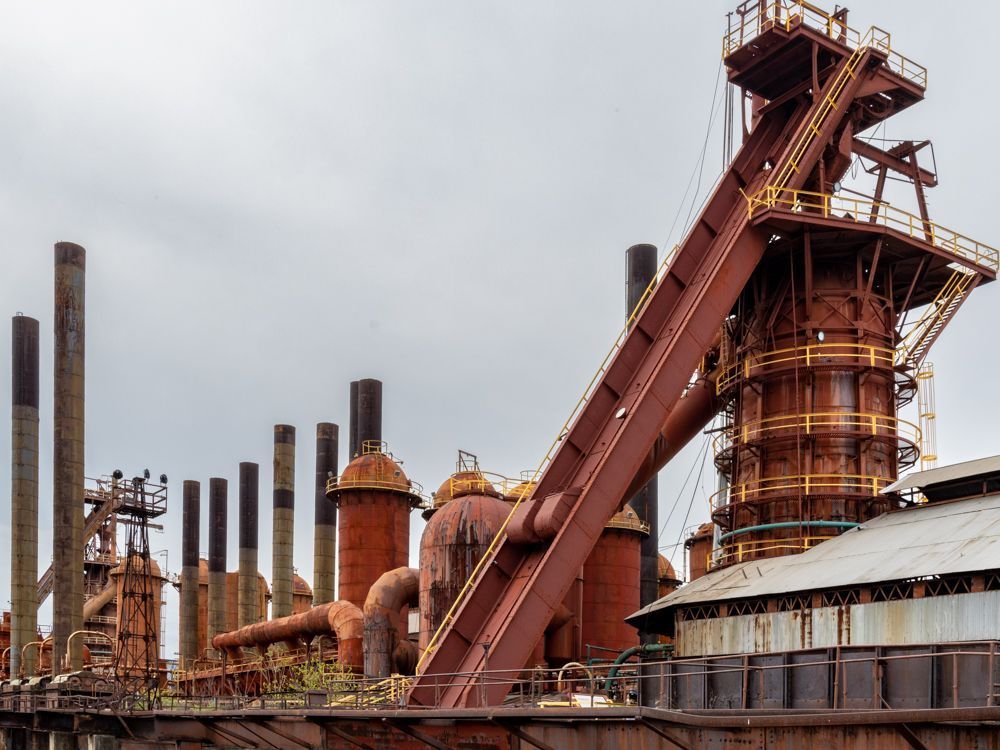
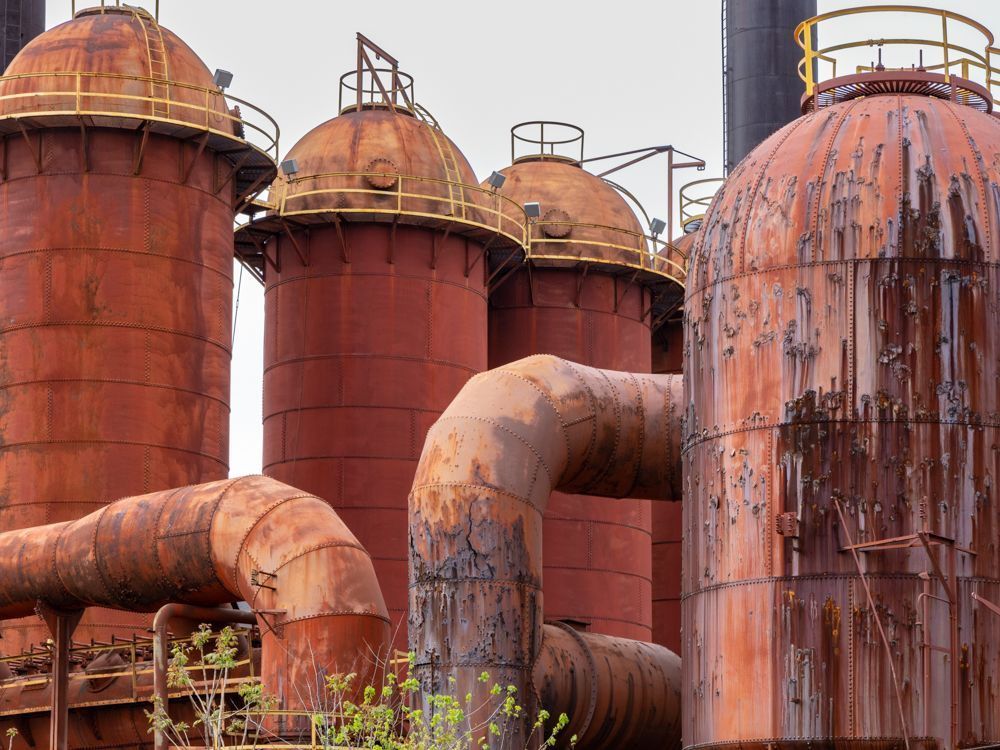
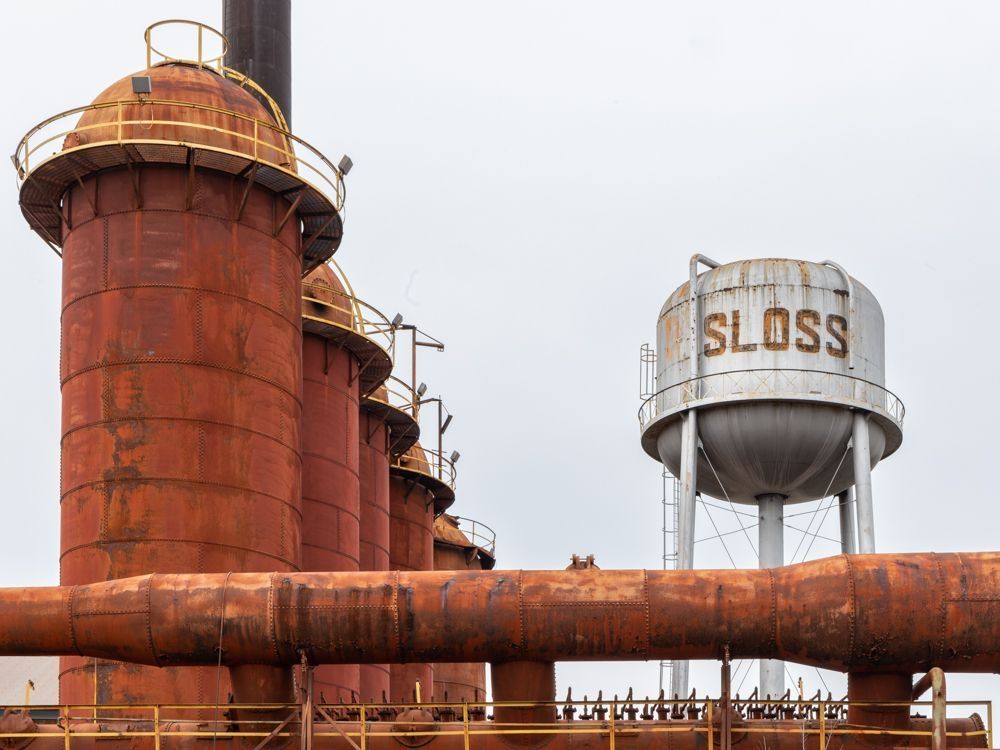
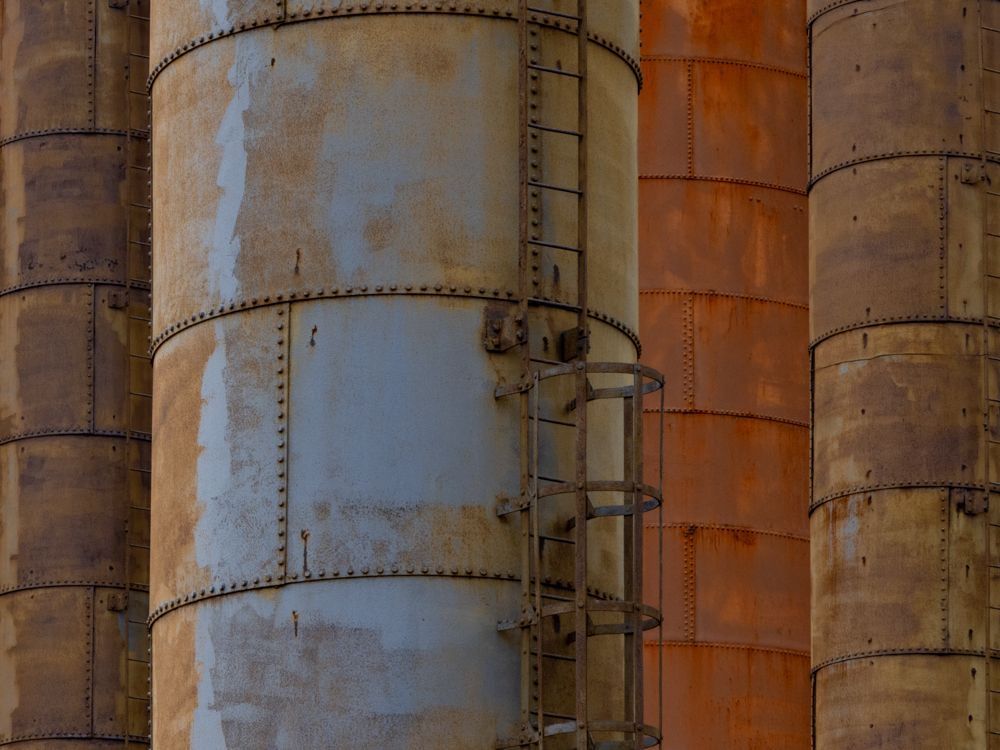
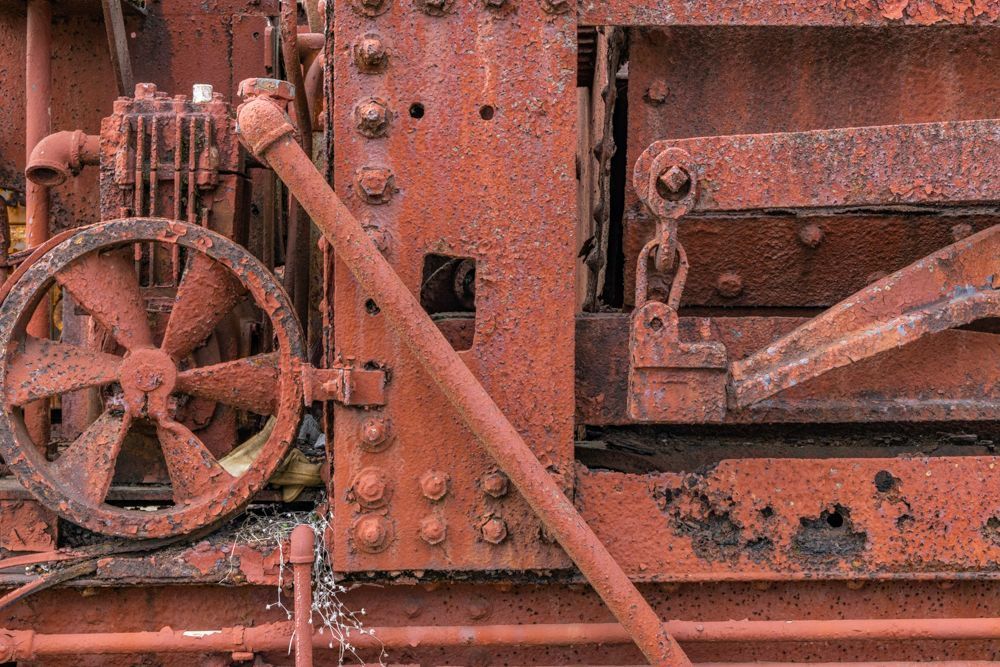
In the afternoon, I walked over to the Sloss Furnaces National Historic Landmark . Recollect from your middle school history class that, initially, inland cities grew up around rivers, as steamboats were the main vehicle of commerce prior to the rise of the railroad. The city of Birmingham was established as a direct result of the crossing of two railroad lines in 1872. In 1881, Alabama railroad magnate and entrepreneur James Withers Sloss, capitalizing on the unusual coincidence of coal, iron ore and limestone in the area , founded the Sloss Furnace Company as an iron manufacturer and built blast furnaces immediately adjacent to the railroad crossing. Production of Pig iron at Sloss furnaces began in 1882 and continued for almost 90 years. The site was designated a National Historic Landmark in 1981.
While I enjoyed learning about the furnaces and photographing the site, I did encounter my first incidence of misunderstanding the difference between personal and professional photography. The website contains a long list of complicated rules regarding who must pay to take photographs at the site. Typically the litmus test is whether one intends to profit from the images as opposed to capturing them for personal use. The young man at the visitor center insisted that, because I had a professional camera, my photography fell under their Studio photography listing. Of course it did not, but I eventually gave up arguing and paid the $20.00 simply to move on and not waste the afternoon. I would have happily paid that price for a standard admission, but I was annoyed at the misguided understanding of the young man. I do plan on calling the PTB just on principle; it is a bad precedent and is a constant battle fought by photographers.
Rain is predicted tomorrow, so I will have to play by ear what activities I choose.
A
As I was leaving the Institute, I saw a gentlemen sitting outside with cameras hanging around his neck. I sat down next to him, and it did not take but a moment for him to start explaining his current mission in life. Henry Miles (using his full name with his permission) was at one time the Mayor of Akron, AL. He and his wife are now working on expanding the civil rights trail. He offered to be in touch with me when his project is further along. Conversing with Henry was an appropriate punctuation mark to my visit to the BCRI.
In the afternoon, I walked over to the Sloss Furnaces National Historic Landmark . Recollect from your middle school history class that, initially, inland cities grew up around rivers, as steamboats were the main vehicle of commerce prior to the rise of the railroad. The city of Birmingham was established as a direct result of the crossing of two railroad lines in 1872. In 1881, Alabama railroad magnate and entrepreneur James Withers Sloss, capitalizing on the unusual coincidence of coal, iron ore and limestone in the area , founded the Sloss Furnace Company as an iron manufacturer and built blast furnaces immediately adjacent to the railroad crossing. Production of Pig iron at Sloss furnaces began in 1882 and continued for almost 90 years. The site was designated a National Historic Landmark in 1981.
While I enjoyed learning about the furnaces and photographing the site, I did encounter my first incidence of misunderstanding the difference between personal and professional photography. The website contains a long list of complicated rules regarding who must pay to take photographs at the site. Typically the litmus test is whether one intends to profit from the images as opposed to capturing them for personal use. The young man at the visitor center insisted that, because I had a professional camera, my photography fell under their Studio photography listing. Of course it did not, but I eventually gave up arguing and paid the $20.00 simply to move on and not waste the afternoon. I would have happily paid that price for a standard admission, but I was annoyed at the misguided understanding of the young man. I do plan on calling the PTB just on principle; it is a bad precedent and is a constant battle fought by photographers.
Rain is predicted tomorrow, so I will have to play by ear what activities I choose.
A

61 photo galleries
50 States
- Big Sur
- Salinas
- Laguna Beach
- San Diego
- California
- Grand Canyon
- Sedona
- Utah
- Syracuse
- Moab
- Denver
- Manitou Springs
- Calhan
- Mesa Verde
- Los Alamos
- Santa Fe
- Carlsbad
- New Mexico
- Eureka Springs
- Little Rock
- Birmingham
- Jackson
- Lottie
- Ten Thousand Islands
- Jerome
- Savannah
- White
- Asheville
- Sandstone Falls
- Baltimore
- Timonium
- Maryland
- Berlin
- Milton
- Smyrna
- Ocean City
- Detroit
- Upper Peninsula of Michigan
- Michigan
- Herod
- Ozark
- Two Harbors
- Carlton
- Madison County
- Oakley
- Valentine
- South Dakota
- United States
- Yellowstone National Park
- Lima
- Idaho
- Port Townsend
- Lincoln City
- Newport
- San Francisco