Another difficult history lesson
I started the day with a visit to the Clinton Library . It was interesting to see how events I lived through as a cognizant adult were represented. As you might expect, there is an enormous amount of information and it is well-curated and presented. The Oval Office and the situation room are purported to be exact replicas of those rooms in the White House during the Clinton Presidency.
President Clinton achieved many great accomplishments during his two terms as president. For example, he presided over longest period of peacetime economic expansion in American history, which included low inflation and low poverty rates; he implemented significant educational reform; he played a major part in ending the Bosnian conflict; he helped negotiate the Oslo accords between the Palestinians and Israelis and he enacted the Family and Medical leave act.
However, two initiatives got my attention as they were big ticket items at the time, and, looking in the all-knowing rear-view mirror, epic failures, at least in my opinion.
The first is the three strikes law . While I understand the intent, the failure to carefully consider the severity and societal impact of previous crimes produced the apparently unanticipated results of overcharging many three-strikers for whom the qualifying crimes were relatively minor, such as petty theft or personal drug use. This also served to overburden an already over-extended legal and judicial system. President Clinton himself has since said, “I signed a bill that made the problem worse, and I want to admit it,” recognizing that it resulted in imprisoning “minor actors for way too long.”
The second initiative was the “war on drugs,” exemplified by the now cliched “this is your brain on drugs ” with the image of a fried egg. While, again, well-intentioned, criminalization of all drugs equally (e.g. Cannabis vs. Opioids), and all drug actions equally (e.g. personal use vs. large scale distribution) was misguided and ultimately back-fired. Societal problems with drugs have increased exponentially over the last decades. Cartels are stronger than ever, big pharma has single-handedly engendered a new and far greater crisis involving prescription drugs, and prisons are filled with low-level offenders who were convicted of possessing small amounts of relatively mild drugs for personal use.
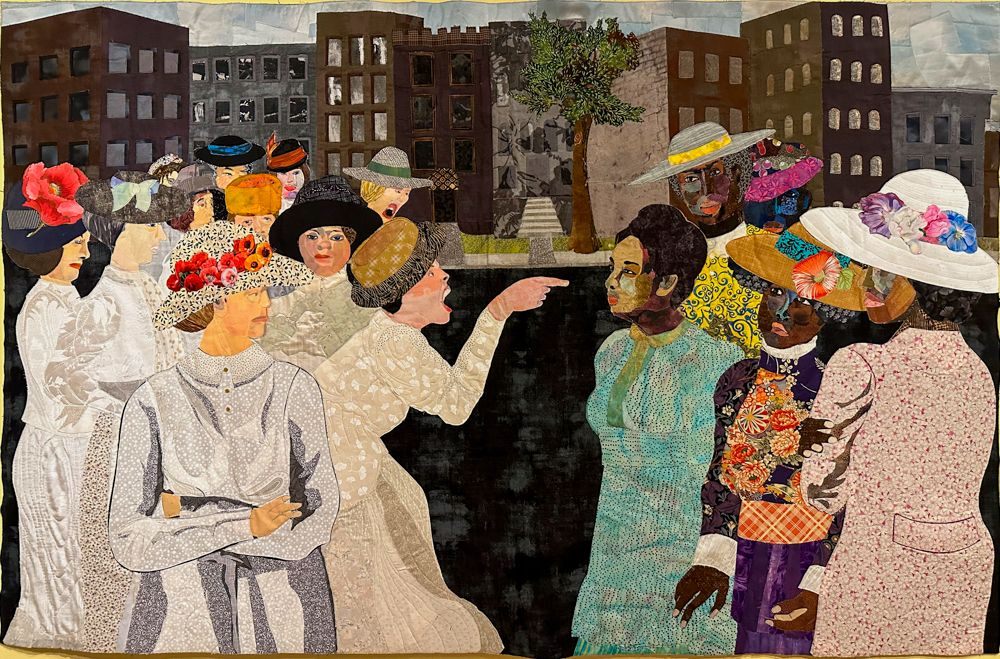
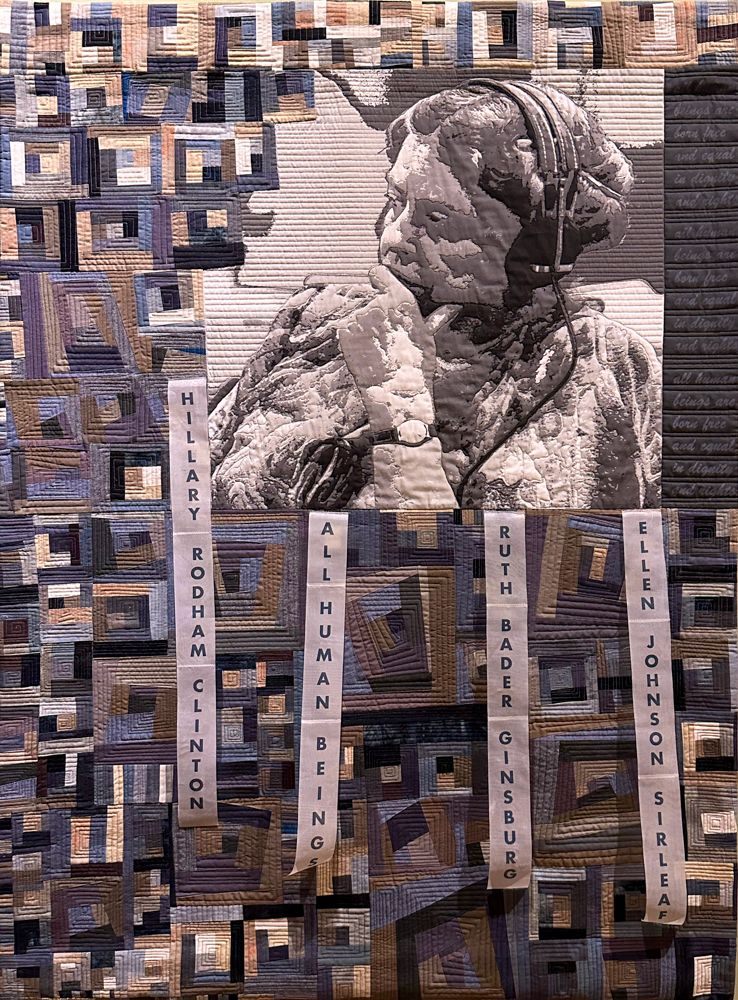
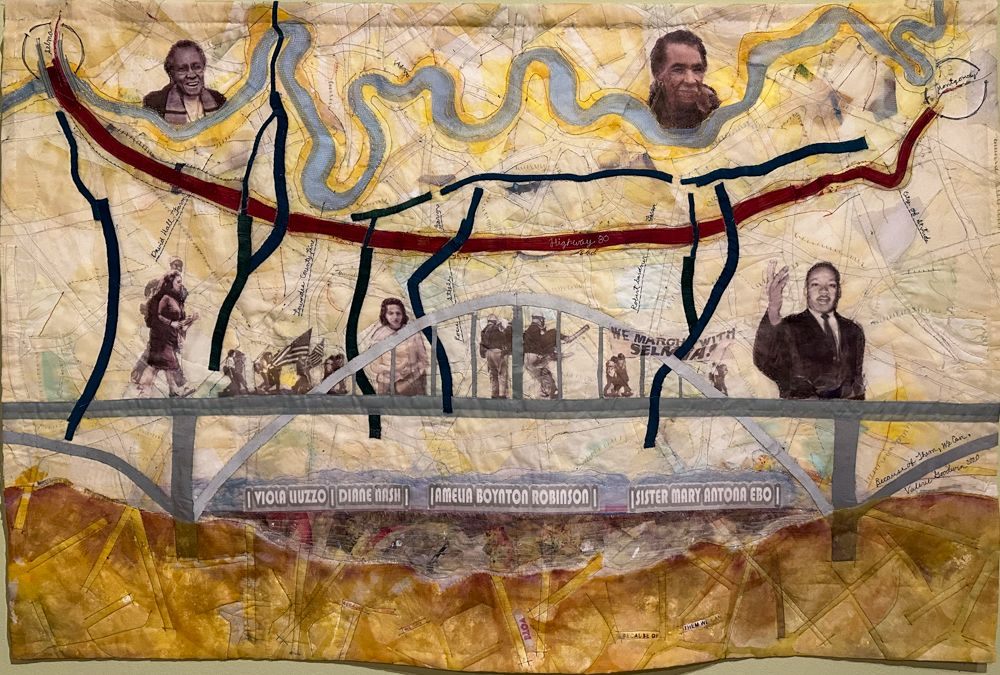
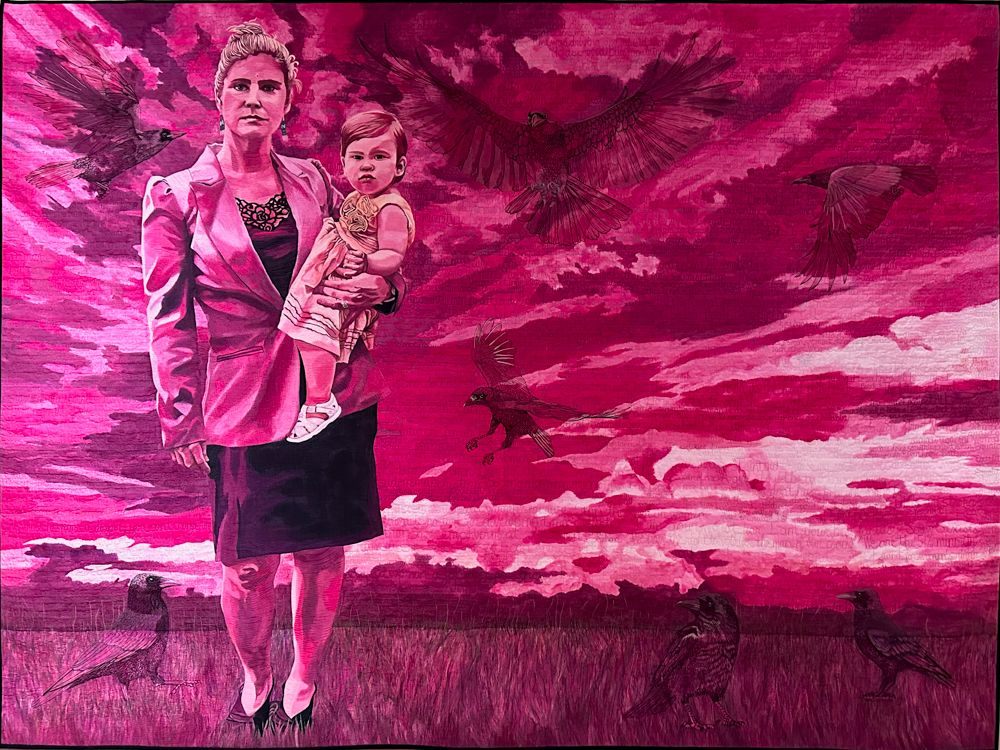
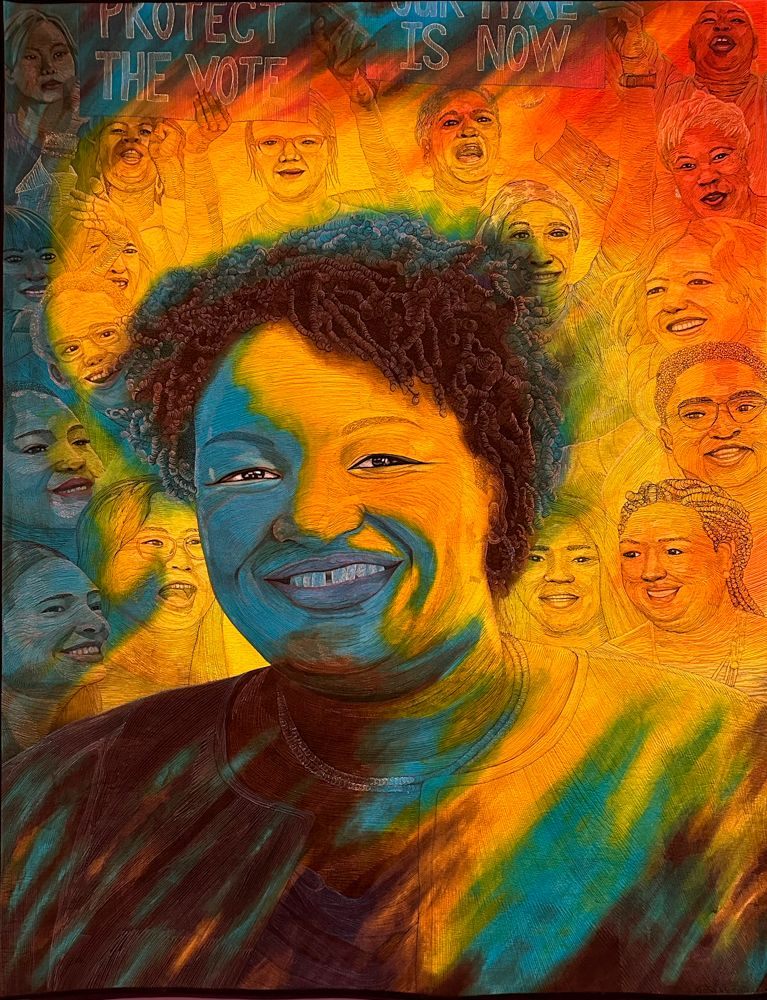
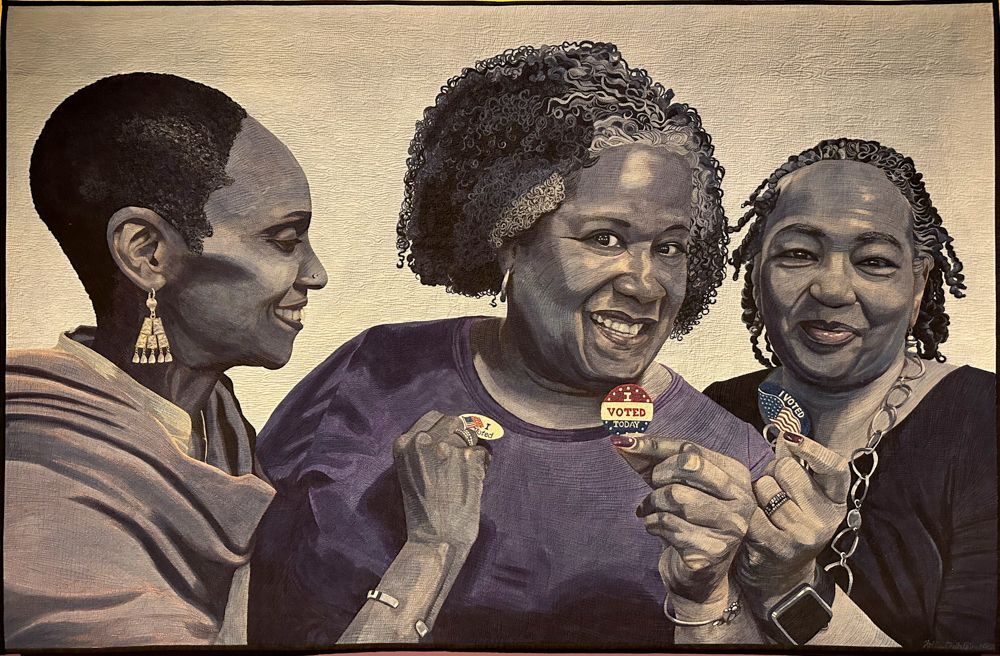
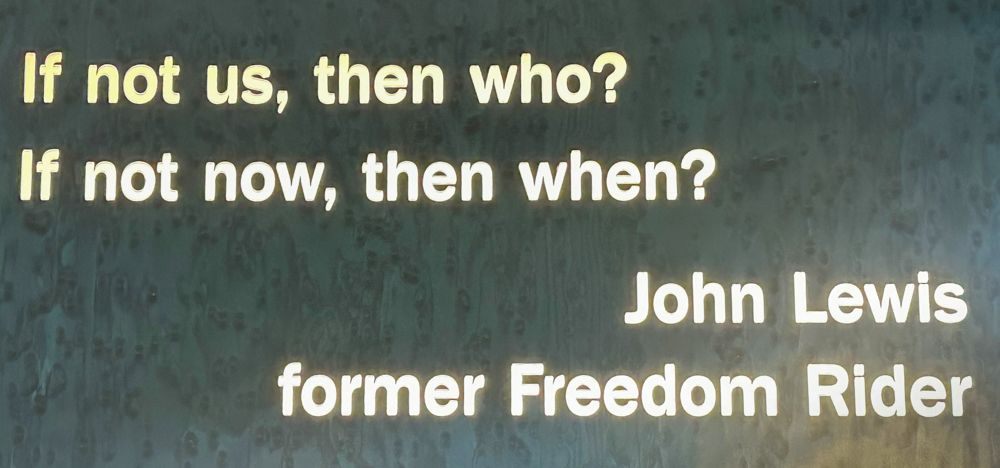
However, my favorite part of the library was a special exhibit (Women’s voices, Women’s votes, Women’s rights ) of quilts commissioned to commemorate the fight for women’s rights (and civil rights in general). Each quilt is a stunning piece of art with an impactful story. I am including a few images below in the blog; others will be added to the gallery. If you are interested in the details of those in the gallery, you can temporarily download the Clinton Center App for full information. Apparently negotiations have begun to lend the show to the venues. If it come to a museum near you, it is not to be missed.
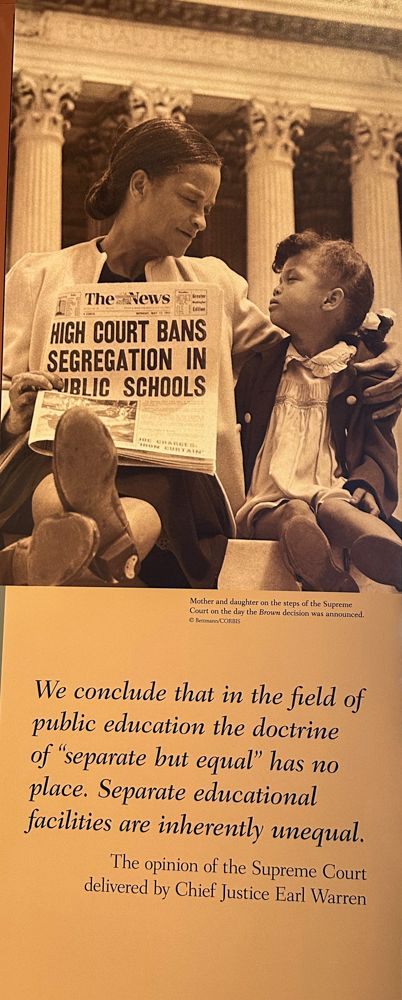
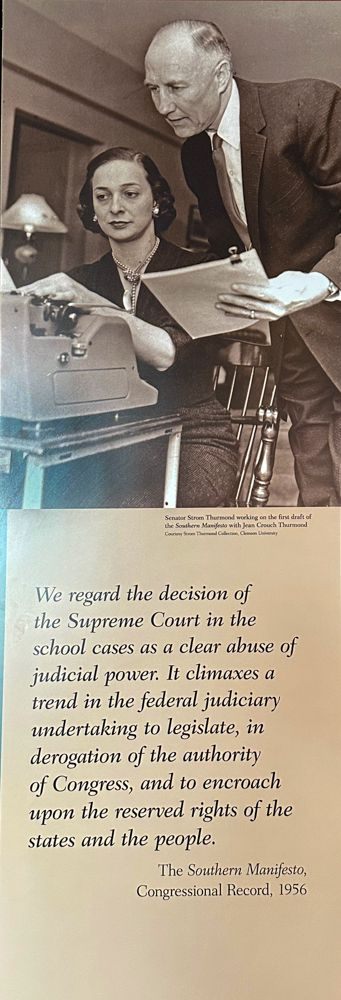
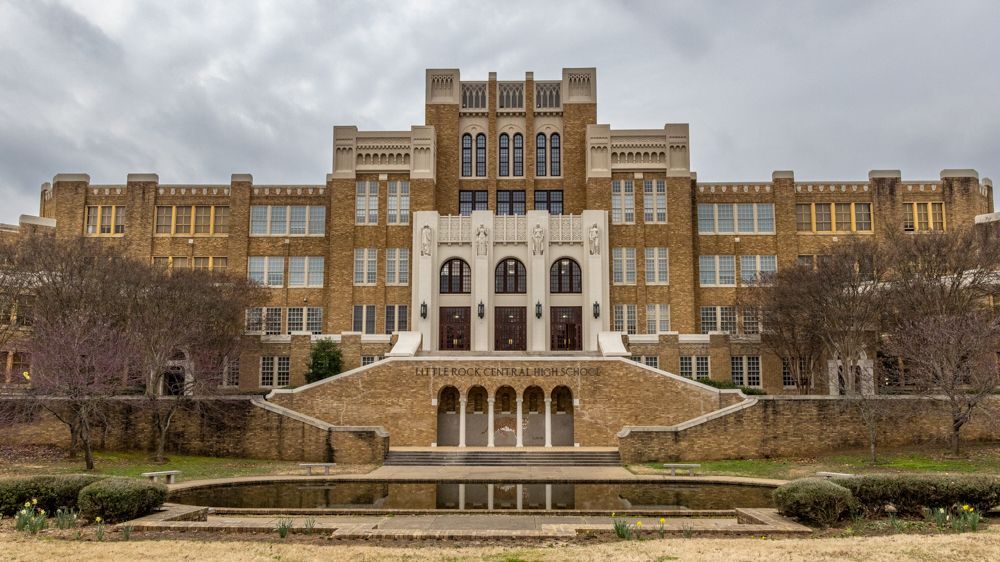
In the afternoon I visited the site of the Little Rock Central High desegregation crisis . To my chagrin, I was not previously aware of this very significant event. In 1954, the U.S. Supreme Court issued the Brown v. Board of Education ruling which overturned the “separate but equal” doctrine. The infamous Senator Storm Thurmond (R-SC) wrote the first draft of the Declaration of Constitutional Principles (known informally as the Southern Manifesto ) opposing racial integration of public places.
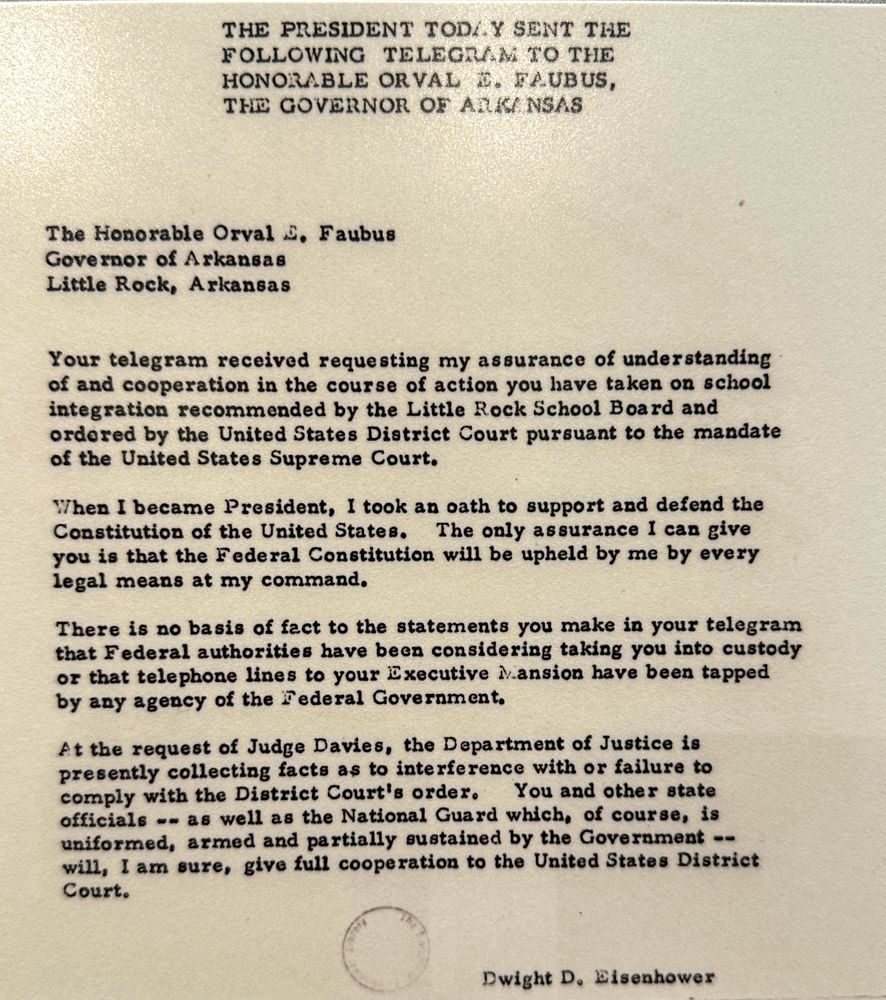
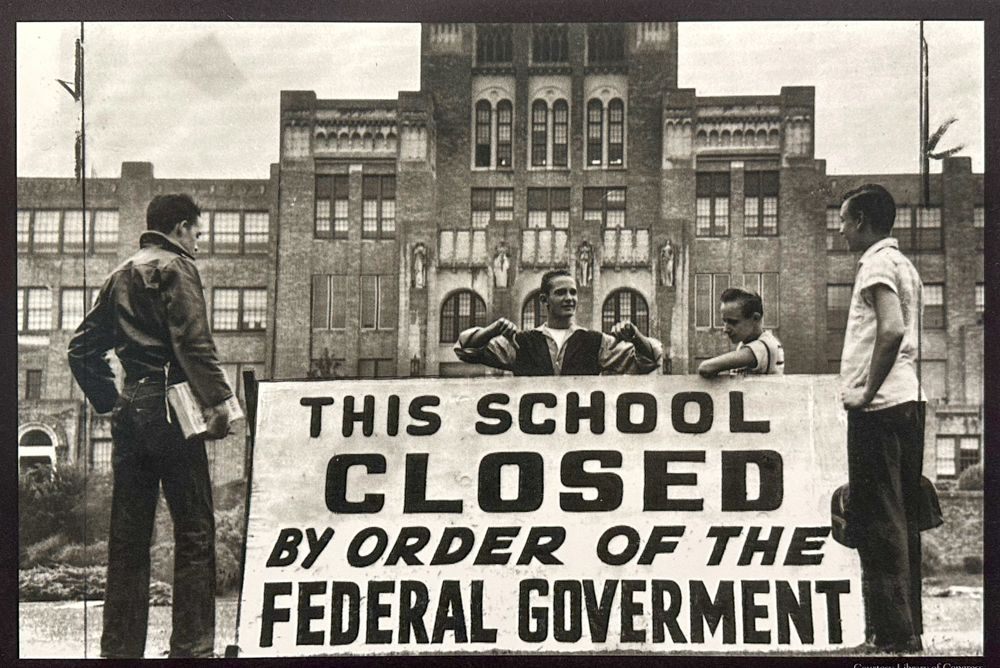
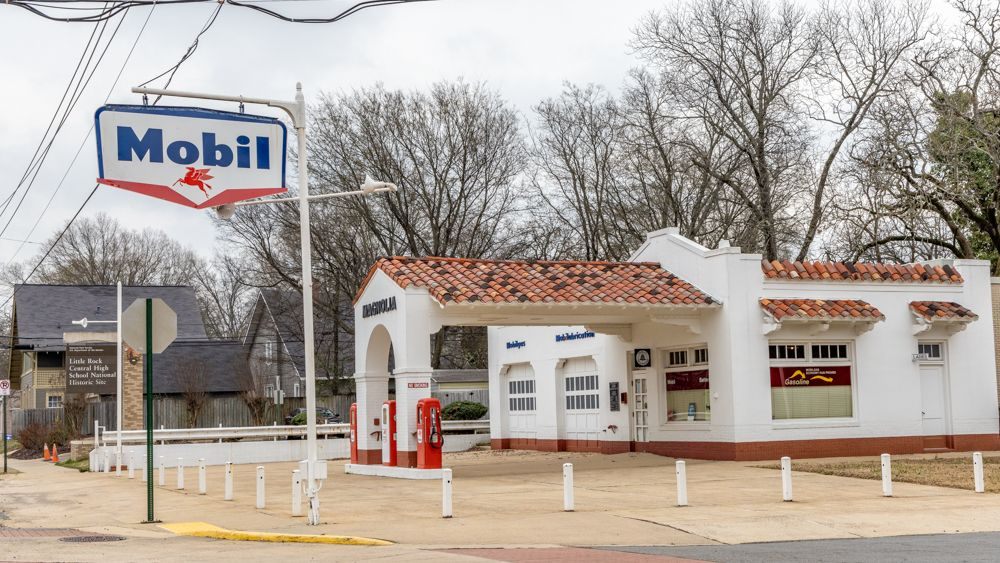
The school board of Little Rock had planned to gradually integrate the city’s schools. The first attempt came with nine black students showing up at the all-white Central High School. Then governor Orval Faubus, looking for re-election and crying State’s rights, ordered the Arkansas National Guard to block their entry. The ensuing violence and chaos quickly gained national media attention. Faubus entreated President Eisenhower to support his position. Eisenhower famously wrote back that “The only assurance I can give you is the the Federal Constitution will be upheld by me and by every legal means at my command.” He ultimately federalized the Arkansas National Guard and also sent in Federal Troops to enforce the civil rights guaranteed by the Supreme Court decision. At one point, with the nine students ushered in through a side door and unavailable as targets, the mob attached journalists camped out at the Mobil Station across from the school. Ultimately the Little Rock Nine did attend, escorted by soldiers and guardsmen for an entire year. In 1958, Faubus temporarily closed schools, giving voters a choice to accept or reject integration. They rejected it, which resulted in closing schools for the entire 1958-1959 year. In 1959, Federal court declared the closing unconstitutional and Central High re-openrf, now with three of the original nine African-American students attending.
Especially as I make my way through the South, I anticipate that additional history lessons will be forthcoming. It is important understand and remember them as we attempt to move forward.
President Clinton achieved many great accomplishments during his two terms as president. For example, he presided over longest period of peacetime economic expansion in American history, which included low inflation and low poverty rates; he implemented significant educational reform; he played a major part in ending the Bosnian conflict; he helped negotiate the Oslo accords between the Palestinians and Israelis and he enacted the Family and Medical leave act.
However, two initiatives got my attention as they were big ticket items at the time, and, looking in the all-knowing rear-view mirror, epic failures, at least in my opinion.
The first is the three strikes law . While I understand the intent, the failure to carefully consider the severity and societal impact of previous crimes produced the apparently unanticipated results of overcharging many three-strikers for whom the qualifying crimes were relatively minor, such as petty theft or personal drug use. This also served to overburden an already over-extended legal and judicial system. President Clinton himself has since said, “I signed a bill that made the problem worse, and I want to admit it,” recognizing that it resulted in imprisoning “minor actors for way too long.”
The second initiative was the “war on drugs,” exemplified by the now cliched “this is your brain on drugs ” with the image of a fried egg. While, again, well-intentioned, criminalization of all drugs equally (e.g. Cannabis vs. Opioids), and all drug actions equally (e.g. personal use vs. large scale distribution) was misguided and ultimately back-fired. Societal problems with drugs have increased exponentially over the last decades. Cartels are stronger than ever, big pharma has single-handedly engendered a new and far greater crisis involving prescription drugs, and prisons are filled with low-level offenders who were convicted of possessing small amounts of relatively mild drugs for personal use.
However, my favorite part of the library was a special exhibit (Women’s voices, Women’s votes, Women’s rights ) of quilts commissioned to commemorate the fight for women’s rights (and civil rights in general). Each quilt is a stunning piece of art with an impactful story. I am including a few images below in the blog; others will be added to the gallery. If you are interested in the details of those in the gallery, you can temporarily download the Clinton Center App for full information. Apparently negotiations have begun to lend the show to the venues. If it come to a museum near you, it is not to be missed.
In the afternoon I visited the site of the Little Rock Central High desegregation crisis . To my chagrin, I was not previously aware of this very significant event. In 1954, the U.S. Supreme Court issued the Brown v. Board of Education ruling which overturned the “separate but equal” doctrine. The infamous Senator Storm Thurmond (R-SC) wrote the first draft of the Declaration of Constitutional Principles (known informally as the Southern Manifesto ) opposing racial integration of public places.
The school board of Little Rock had planned to gradually integrate the city’s schools. The first attempt came with nine black students showing up at the all-white Central High School. Then governor Orval Faubus, looking for re-election and crying State’s rights, ordered the Arkansas National Guard to block their entry. The ensuing violence and chaos quickly gained national media attention. Faubus entreated President Eisenhower to support his position. Eisenhower famously wrote back that “The only assurance I can give you is the the Federal Constitution will be upheld by me and by every legal means at my command.” He ultimately federalized the Arkansas National Guard and also sent in Federal Troops to enforce the civil rights guaranteed by the Supreme Court decision. At one point, with the nine students ushered in through a side door and unavailable as targets, the mob attached journalists camped out at the Mobil Station across from the school. Ultimately the Little Rock Nine did attend, escorted by soldiers and guardsmen for an entire year. In 1958, Faubus temporarily closed schools, giving voters a choice to accept or reject integration. They rejected it, which resulted in closing schools for the entire 1958-1959 year. In 1959, Federal court declared the closing unconstitutional and Central High re-openrf, now with three of the original nine African-American students attending.
Especially as I make my way through the South, I anticipate that additional history lessons will be forthcoming. It is important understand and remember them as we attempt to move forward.
61 photo galleries
50 States
- Big Sur
- Salinas
- Laguna Beach
- San Diego
- California
- Grand Canyon
- Sedona
- Utah
- Syracuse
- Moab
- Denver
- Manitou Springs
- Calhan
- Mesa Verde
- Los Alamos
- Santa Fe
- Carlsbad
- New Mexico
- Eureka Springs
- Little Rock
- Birmingham
- Jackson
- Lottie
- Ten Thousand Islands
- Jerome
- Savannah
- White
- Asheville
- Sandstone Falls
- Baltimore
- Timonium
- Maryland
- Berlin
- Milton
- Smyrna
- Ocean City
- Detroit
- Upper Peninsula of Michigan
- Michigan
- Herod
- Ozark
- Two Harbors
- Carlton
- Madison County
- Oakley
- Valentine
- South Dakota
- United States
- Yellowstone National Park
- Lima
- Idaho
- Port Townsend
- Lincoln City
- Newport
- San Francisco